
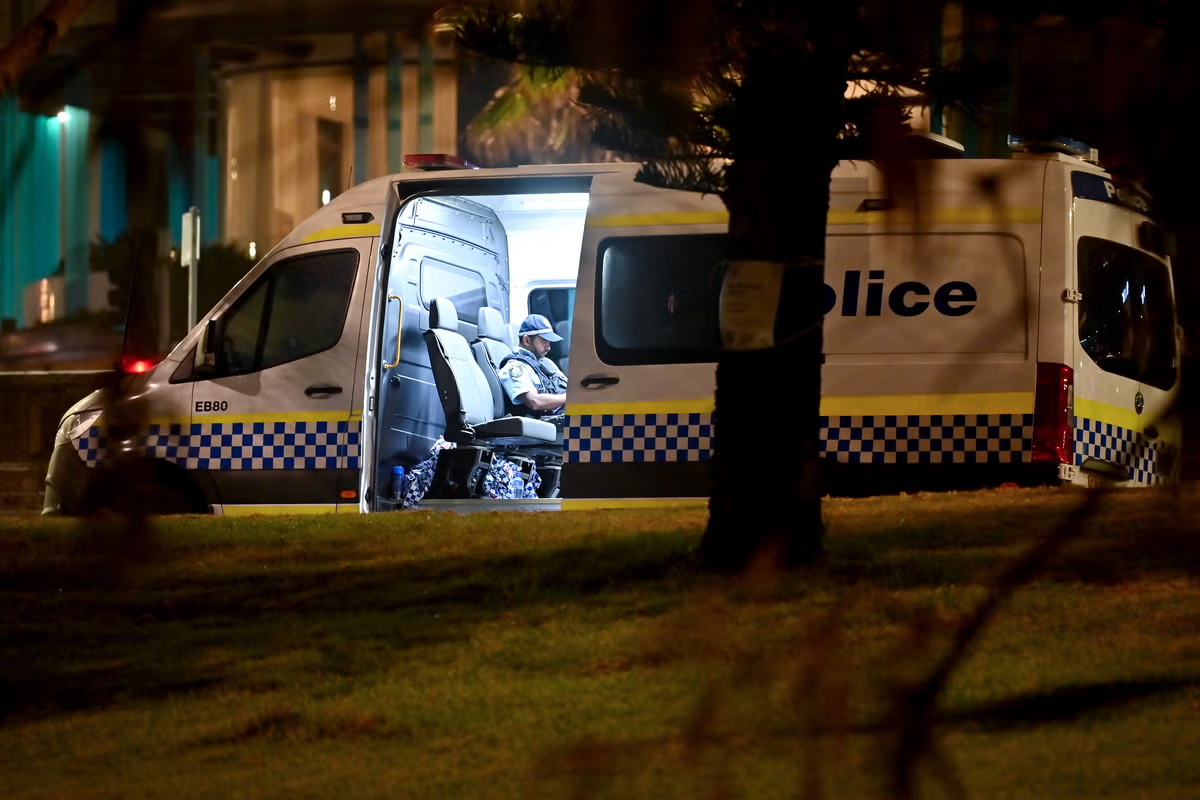
The death of a 52-year-old man following his arrest by police in Sydney’s west has prompted a critical incident investigation and renewed scrutiny of the use of pepper spray by law enforcement in Australia. The man died after being pepper-sprayed during an arrest at a residential unit in Homebush, raising questions about police conduct, medical risk factors associated with oleoresin capsicum spray, and the adequacy of oversight mechanisms. The incident comes amid a broader national and international debate over the safety, proportionality, and accountability surrounding so-called “less than lethal” force options used by police.
The man’s death occurred on Monday after police were called to the Homebush address at about 8.30am in response to reports of an alleged domestic violence incident. According to New South Wales Police, officers deployed pepper spray during the arrest inside the unit. Not long afterwards, the man experienced what police described as a “medical episode”. Despite treatment at the scene by ambulance paramedics and subsequent transfer to Westmead Hospital in a critical condition, he died later that evening, with the time of death recorded at 8.30pm.
A crime scene has since been established, and the conduct of the police officers involved is under investigation. NSW Police confirmed that the matter would be reviewed independently by the Professional Standards Command, with oversight from the Law Enforcement Conduct Commission. A report will also be prepared for the Coroner, who will ultimately determine the cause and circumstances of death.
The Incident in Homebush and the Police Response
According to the official police account, officers attended the Homebush unit following a call related to an alleged domestic violence matter. Domestic violence incidents are often categorised by police as high-risk situations, given the potential for emotional volatility, physical confrontation, and harm to those involved. NSW Police policy permits the use of oleoresin capsicum spray, commonly known as OC spray or pepper spray, in circumstances where it is deemed necessary to safeguard people or animals, or as a less than lethal option for controlling individuals who are violent, resisting arrest, or likely to become confrontational.
During the arrest inside the unit, police deployed OC spray. The precise circumstances that led to its use, including whether the man was resisting arrest or posed an immediate threat, have not yet been made public. Police have stated only that pepper spray was used during the arrest process, and that a critical incident investigation was automatically triggered following the man’s subsequent death.
Shortly after the deployment of the spray, the man suffered what police referred to as a “medical episode”. Paramedics from NSW Ambulance treated him at the scene before transporting him to Westmead Hospital, one of Sydney’s major tertiary hospitals. Despite medical intervention, his condition deteriorated, and he died later that evening.
NSW Police have emphasised that the investigation into the incident will be conducted independently of the officers involved. The Professional Standards Command, which handles serious complaints and investigations into police conduct, will lead the inquiry, with oversight from the Law Enforcement Conduct Commission. Such oversight is intended to ensure transparency and public confidence in cases involving deaths or serious injuries following police action.
Read : List of Google Revealed Top 20 Destinations for Summer Vacation
The Coroner’s role will be central in establishing the medical cause of death, including whether the use of OC spray contributed directly or indirectly to the fatal outcome. Coroners’ investigations often consider a wide range of factors, including underlying health conditions, the actions of police, the timeliness and adequacy of medical care, and any systemic issues that may have played a role.
Pepper Spray, Health Risks, and Ongoing Scrutiny
Oleoresin capsicum spray is widely used by police forces in Australia and internationally as a compliance tool intended to temporarily incapacitate individuals without causing lasting harm. OC spray causes intense burning sensations to the eyes, skin, and respiratory system, leading to involuntary eye closure, coughing, disorientation, and difficulty breathing. These effects are generally short-lived, but they can be severe and distressing.
According to a report by the United States Department of Justice, exposure to OC spray can result in intense pain, short-term loss of vision, respiratory distress, and panic. The report also found that certain groups face a heightened risk of serious injury or death following exposure, including individuals with asthma or other respiratory conditions, people with cardiovascular issues, children, and those under the influence of drugs or alcohol.

Medical experts have long debated the extent to which pepper spray can directly cause death. While OC spray is not typically classified as lethal, deaths have been reported in circumstances where its use coincided with other risk factors, such as positional asphyxia, excited delirium, underlying health conditions, or prolonged physical restraint. As a result, its deployment has been subject to increasing scrutiny from human rights organisations, medical professionals, and legal advocates.
In New South Wales, police policy outlines specific circumstances under which OC spray may be used, emphasising that it should be proportionate, necessary, and used only when other options are unsuitable or ineffective. Officers are also trained to provide or seek medical assistance following its use, particularly if the individual shows signs of distress.
The death of the 52-year-old man in Homebush is not the first time OC spray has been implicated in a fatal incident in NSW. In 2022, police opened a critical incident investigation after a 41-year-old man died following his arrest, during which OC spray was used. In that case, the man had been walking along the M5 motorway before being taken into custody. He collapsed and lost consciousness shortly after his arrest and could not be resuscitated after being transported to hospital.
Such cases have contributed to growing calls for clearer guidelines, enhanced training, and stronger accountability mechanisms regarding the use of pepper spray. Critics argue that while OC spray is often presented as a safer alternative to batons or firearms, its risks are sometimes underestimated, particularly when used on vulnerable individuals or in confined spaces.
Legal Challenges, Protests, and Broader Implications
Beyond individual cases, the use of pepper spray by police has become a focal point in legal challenges and public protests across Australia. In recent years, allegations have surfaced regarding its use on minors and peaceful demonstrators, further intensifying debate about appropriate police responses to public order situations.
In 2024, allegations emerged that police used OC spray on a 13-year-old during a Palestine rally, raising concerns about the use of chemical irritants on children. Similar criticism followed reports of pepper spray being deployed against anti-war demonstrators at the Indo-Pacific Naval Defence Expo in November. While police have generally defended their actions as necessary to maintain order and ensure public safety, such incidents have fuelled public concern about the threshold for using force in protest settings.

A significant legal development occurred last month when climate protesters won a landmark class action against Victoria Police over the use of OC spray at a 2019 anti-mining protest in Melbourne. The Supreme Court of Victoria found that police unlawfully assaulted protester Jordan Brown by spraying him twice, causing both physical and psychological harm. Brown was awarded 54,000 Australian dollars in damages.
In its ruling, the court rejected police arguments that the use of OC spray was justified to manage a tense and potentially volatile crowd. The judge concluded that, in this particular case, the deployment of the spray was unjustified and disproportionate. While the court noted that the decision did not set a general precedent against Victoria Police, it was the first ruling of its kind relating specifically to OC spray, and it has been widely cited in discussions about police accountability.
These legal and social developments form the backdrop to the Homebush incident and underscore the broader implications of the investigation now underway. The outcome of the critical incident probe and the Coroner’s findings may influence future policy discussions, training standards, and public confidence in law enforcement practices.
As the investigation continues, attention will remain focused on the balance between empowering police to manage dangerous situations and ensuring that the tools they use do not pose undue risks to life and health. The death of the 52-year-old man in Sydney adds to a growing body of cases that highlight the complexity and gravity of decisions made in the course of policing, particularly when force is used during arrests.
Okay, so rule34video… well, you probably know what to expect. Enter at your own discretion dudes. I’m not sure if I should be recommending this haha. rule34video