
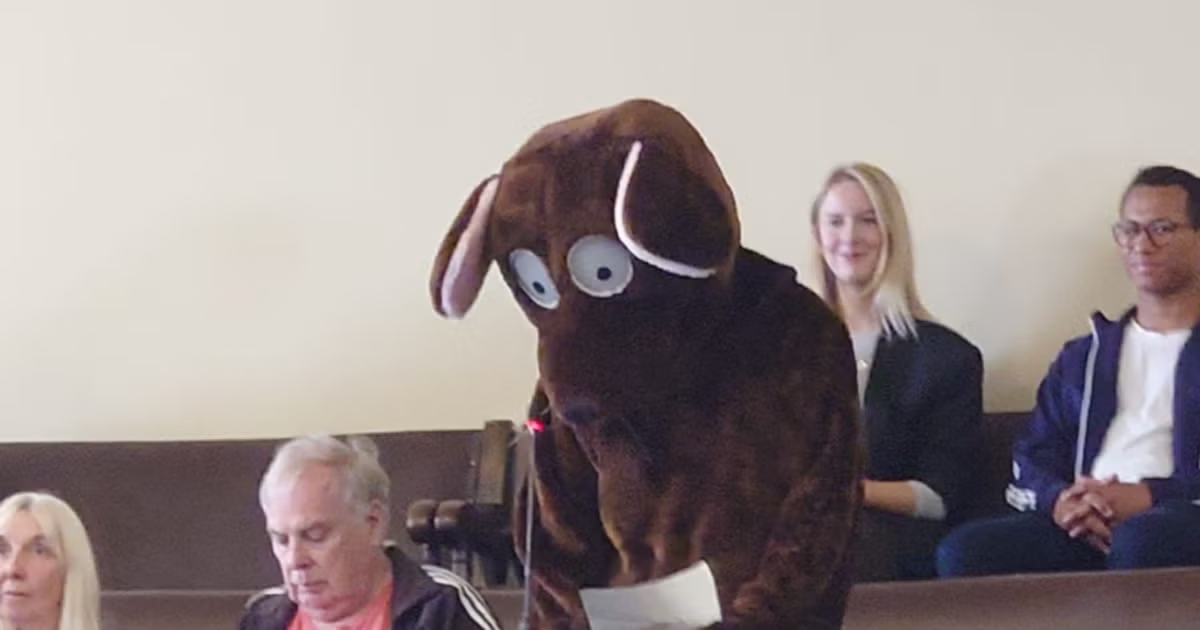
A bizarre yet symbolic protest occurred in Birmingham as a man dressed as giant rat stormed into a city council meeting, demanding immediate intervention over the city’s growing waste crisis caused by an ongoing bin strike. The spectacle drew attention not just because of the protester’s unusual costume but due to the serious public health concerns it represents.
With rubbish piling up across neighborhoods and rats reportedly thriving amidst the garbage, the city of Birmingham is facing one of its most pressing sanitation challenges in recent years.
Rubbish Crisis Escalates Across Birmingham
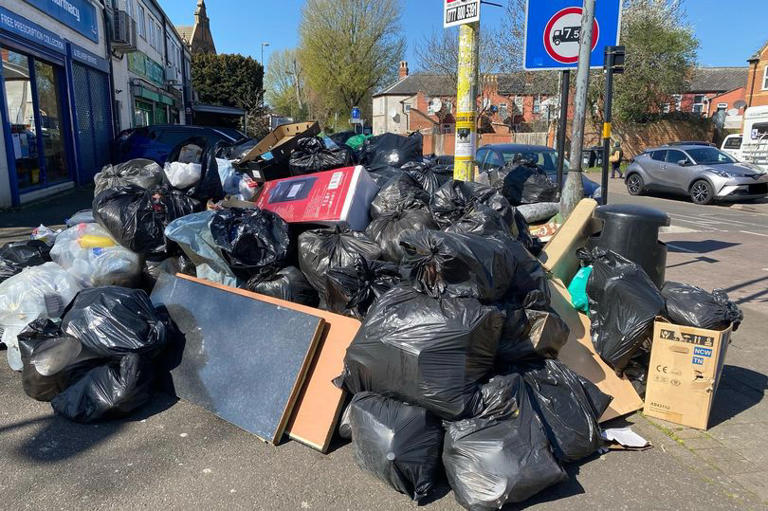
The ongoing bin strike in Birmingham has taken a visible and foul turn, with bags of uncollected rubbish accumulating along curbsides, in alleyways, and even in parks. This situation has reached alarming proportions, prompting concerns among residents about health hazards and the deteriorating quality of life in the city.
The strike was initiated by members of the Unite union, who opposed the Birmingham City Council’s decision to scrap several roles related to waste collection and recycling.
The council argued that the restructuring was necessary to reduce costs and increase efficiency, but union representatives accused the local government of ignoring the vital role waste management workers play in keeping the city clean and hygienic. This disagreement has now escalated into a full-blown labor strike, leaving citizens caught in the middle.
With rubbish left uncollected for weeks, the city has become a breeding ground for vermin. Residents in multiple boroughs have reported frequent sightings of rats scurrying through streets, tearing open bin bags, and feasting on leftovers.
Read : Rats ‘As Big as Cats’ Roam in the Streets of Birmingham as Garbage Collectors Strike Continues
The situation is especially dire in densely populated urban areas where households generate large amounts of waste daily. Local shops and eateries have also complained about the unsanitary environment and the risk it poses to their operations.
Man in rat costume confronts local government amid garbage crisis pic.twitter.com/PUBVuirBZ6
— The Sun (@TheSun) April 9, 2025
Public frustration has been further amplified by the perception that the city council is not doing enough to resolve the crisis. Many feel that the city leadership is disengaged from the plight of ordinary citizens who now have to live with the stench and danger of decomposing waste on their doorsteps.
Symbolism Behind the Giant Rat Protest
The dramatic protest involving a man dressed as a giant rat took place during a Birmingham City Council meeting on April 8, and its imagery has since gone viral on social media.
Footage released by the Birmingham Conservative Group shows the protester walking into the council chamber in full costume, standing up in front of council members, and demanding to know when the streets will be cleaned and the rat population controlled.
The costume, though humorous to some, was a pointed symbol of the decay and filth overtaking the city due to the ongoing strike. By embodying the very problem the city is dealing with—rats feasting on uncollected rubbish—the protester succeeded in drawing national attention to the issue.
The sight of a human-sized rat asking city leaders about waste management was jarring enough to prompt debates across social media platforms and local news outlets.

Observers noted that while the stunt was unconventional, it captured the frustration and desperation of residents who feel their voices have been ignored. “Sometimes absurdity is the only way to get people to pay attention,” said one local community leader. “When your city smells like a landfill, and rats are more common than birds, you need to make a strong statement.”
Birmingham City Council members appeared surprised but composed during the interruption. While some officials tried to dismiss the protest as a publicity stunt, others acknowledged that the grievances being aired were legitimate. The protester was eventually escorted out, but not before making his point clear: residents demand urgent action, not bureaucratic delays.
The Road to Resolution: What Needs to Be Done
The current waste crisis in Birmingham is a multifaceted problem that goes beyond labor disputes. At its heart is the tension between financial constraints faced by the city council and the basic public need for reliable sanitation services. The bin strike is a symptom of deeper issues within local governance, labor relations, and public infrastructure.
To resolve the crisis, meaningful dialogue between the council and the Unite union is essential. Thus far, negotiations have been fraught with accusations, stalemates, and a lack of compromise. The union has called for the reinstatement of scrapped waste collection roles, arguing that staff shortages are making it impossible to maintain a clean city. They also want guarantees regarding job security and fair wages for frontline workers.
Meanwhile, the council has pointed to budgetary limitations and the need for modernization of services, including a greater reliance on technology and more efficient allocation of resources. However, residents argue that any technological innovation must not come at the expense of a clean environment and public health.
Public pressure is mounting, and the city leadership knows that it cannot afford to let this crisis continue unchecked. With summer approaching, rising temperatures could worsen the problem, leading to faster decomposition of waste, increased odor, and a surge in pest activity. Schools, hospitals, and nursing homes are especially vulnerable, and any delay in resolving the issue could have serious consequences.
Some local advocacy groups have proposed temporary solutions to contain the crisis. These include deploying emergency waste collection crews, hiring private contractors, or setting up designated drop-off sites where residents can dispose of their garbage until normal service resumes. These measures may not resolve the underlying labor conflict but could provide short-term relief to overwhelmed neighborhoods.
There is also a growing call for accountability. Residents are demanding transparency regarding the council’s budget decisions, the criteria used to eliminate certain roles, and the long-term waste management strategy for the city. The bin strike has become a litmus test for Birmingham’s political leadership, which must now demonstrate both responsiveness and foresight.
As for the symbolic giant rat protest, it might go down in local folklore as a strange but powerful moment in the city’s history. It may not have provided solutions, but it certainly highlighted the urgency of the situation. The costume might have drawn laughter, but the message behind it was dead serious.
Until a resolution is reached, Birmingham’s streets remain littered with garbage, and residents continue to live under the shadow of a public health threat. The city, once celebrated for its innovation and resilience, now finds itself grappling with one of its most basic civic responsibilities—keeping its streets clean. And unless swift action is taken, more symbolic rats may find their way into council chambers to demand what the people are rightfully owed: a clean and safe environment.