
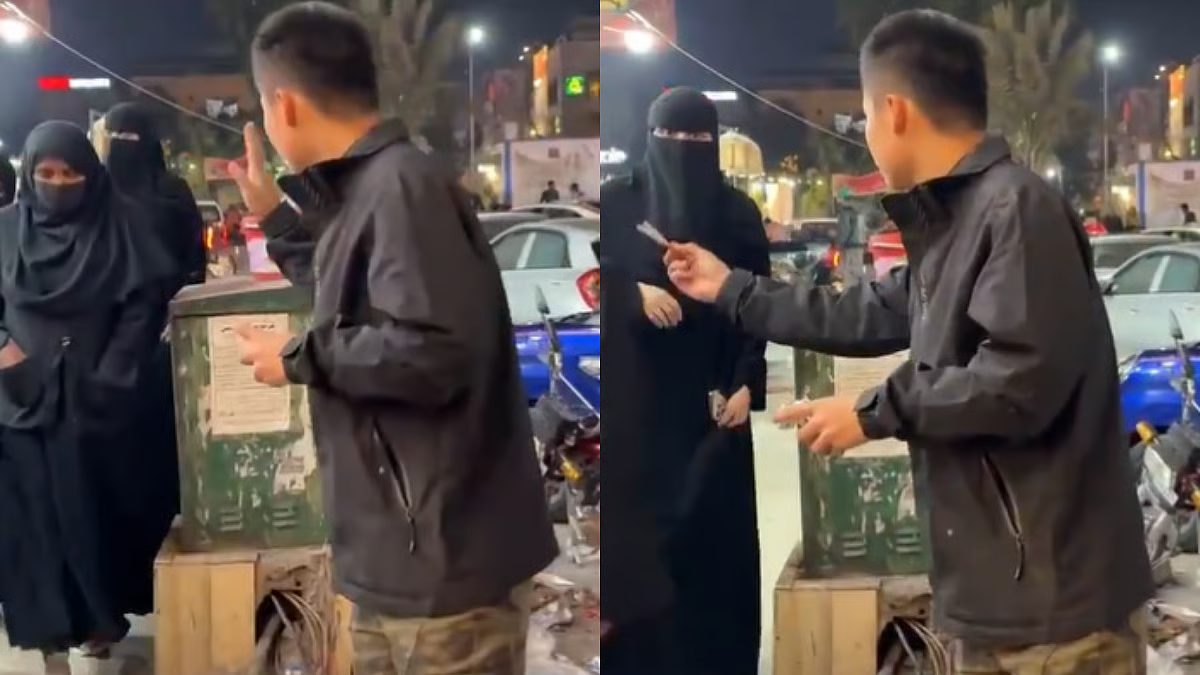
A series of viral videos circulating widely on social media platforms in late December has placed Pakistan at the center of an intense online debate over cultural respect, foreign conduct, and the role of law enforcement. The clips, allegedly filmed in Islamabad, show a Chinese man engaging in behavior that many viewers have described as provocative and inappropriate within Pakistan’s conservative social context.
Among the most controversial scenes are moments in which the Man Offering Cigarettes To Burqa-Clad Women in public, while companions film and laugh in the background. Additional footage allegedly depicts the same individual mocking locals, roaming public spaces in a confrontational manner, and taking food from a roadside stall without paying. As the videos gained traction, public reaction intensified, particularly due to the apparent absence of an official response from Pakistani authorities.
Online commentary has extended beyond the individual’s actions to broader questions about governance, diplomatic relationships, and whether foreign nationals are treated differently under the law. While the authenticity and full context of the videos remain unverified by officials, the episode has become a focal point for discussions about dignity, accountability, and state responsibility.
Truth Behind Viral Video Of Chinese Man Offering Cigarettes To Burqa-Clad Women
The most widely shared clip shows a Chinese man approaching women dressed in burqas on a public street and offering them cigarettes. In Pakistan, where social norms emphasize modesty and where interactions between unrelated men and women in public spaces are often limited, the act was widely perceived as disrespectful.
The women in the video appear visibly uncomfortable and walk away without engaging, while laughter can be heard from those filming. The recording style and the reactions of the people behind the camera have led many viewers to interpret the interaction as deliberate provocation rather than a misunderstanding.
Other clips attributed to the same individual depict him behaving arrogantly in public areas, allegedly taunting passersby and presenting himself as untouchable. One video shows him picking up snacks from a street vendor, eating them, and leaving without paying. While the veracity of these claims has not been officially confirmed, the cumulative effect of the footage has reinforced perceptions of disregard for local customs and laws.
Chinese man offering cigarettes, mocking women in Burqa, and roaming around in Islamabad, Pakistan
— Tushar ॐ♫₹ (@Tushar_KN) December 30, 2025
If any Indian had done this, whole country would have been given lessons on civic sense.
This is a show of power China has over Pakistan pic.twitter.com/CrE0h2GbWv
Public anger was amplified by the perception that no immediate action was taken by police or municipal authorities. As the videos spread across X, Facebook, and Instagram, users repeatedly tagged Islamabad police and government officials, demanding clarification and intervention. The absence of timely statements or visible enforcement measures created an information vacuum, allowing speculation and political narratives to flourish.
The outrage was not limited to cultural concerns alone. Many users framed the incident as an example of unequal treatment, arguing that a local individual engaging in similar behavior would likely face questioning or detention. This perceived disparity intensified criticism and transformed the videos from isolated clips into symbols of broader systemic grievances.
Role Of Social Media, Misinformation, And Political Narratives
Social media played a decisive role in shaping public perception of the incident. The videos were shared with emotionally charged captions that framed the individual’s actions as emblematic of foreign dominance and state weakness. Some posts asserted that Chinese nationals enjoy immunity in Pakistan due to economic dependencies, while others portrayed the man as representative of all Chinese visitors, despite the absence of evidence supporting such generalizations.
Read : Truth Behind the ‘Jesus Is Palestinian’ Christmas Billboard in Times Square
In highly polarized online environments, nuance often gives way to simplified narratives. The lack of verified information regarding the man’s identity, visa status, or whether complaints were formally lodged allowed misinformation to spread rapidly. Assertions that authorities had deliberately ignored the incident due to diplomatic pressure were repeated widely, even though no official confirmation supported these claims.

The political dimension of the discourse is closely tied to Pakistan’s longstanding economic partnership with China, particularly under the China–Pakistan Economic Corridor. Critics online linked the alleged inaction to Pakistan’s reliance on Chinese investment and loans, suggesting that this dependence compromises sovereignty and law enforcement. Supporters of the partnership countered that isolated incidents should not be used to undermine bilateral relations or incite hostility toward foreign nationals.
This dynamic illustrates how viral content can quickly evolve into a proxy for deeper political debates. What began as criticism of an individual’s conduct expanded into commentary on debt, governance, and national dignity. In such contexts, the original facts of the incident risk being overshadowed by broader ideological agendas.
Authorities’ Silence, Legal Context, And Broader Implications
As of the latest reports, Islamabad police and relevant authorities have not issued an official statement confirming the identity of the individual or detailing whether any investigation is underway. This silence has been a significant factor in sustaining public anger. In situations involving viral allegations, timely clarification often plays a critical role in preventing escalation. Without it, assumptions harden into perceived truths.
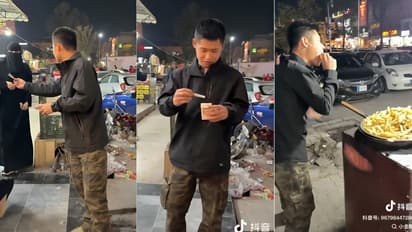
From a legal standpoint, foreign nationals in Pakistan are subject to local laws and regulations. Acts such as harassment, public nuisance, or theft are offenses regardless of nationality. However, enforcement typically depends on formal complaints, identification of the accused, and verification of evidence. Viral videos, while influential in shaping opinion, do not automatically translate into legal proceedings unless authorities can authenticate them and establish jurisdiction.
The incident also raises questions about content creation ethics and tourism behavior. Filming locals without consent, particularly in sensitive cultural contexts, can inflame tensions and lead to misrepresentation. Governments worldwide face growing challenges in addressing misconduct linked to social media content creation, especially when such content is designed to provoke reactions for online engagement.
At a broader level, the episode underscores the importance of consistent law enforcement and transparent communication. Equal application of the law is central to public trust, and perceived exceptions can erode confidence in institutions. At the same time, caution is required to avoid collective blame or xenophobic responses that target entire communities based on the actions of an individual.
The viral videos have thus become more than a fleeting online controversy. They highlight the intersection of cultural sensitivity, digital media, diplomacy, and governance in an era where public perception can shift rapidly. Until authorities provide verified information or clarification, the debate is likely to persist, shaped as much by political sentiment as by the facts of what occurred on the streets of Islamabad.
Hey guys, been hunting for an OKBet voucher code for ages! Finally found a decent one through okbetvouchercode. Saved me a bit of cash, which is always a win. Legit stuff!
**mitolyn official**
Mitolyn is a carefully developed, plant-based formula created to help support metabolic efficiency and encourage healthy, lasting weight management.