
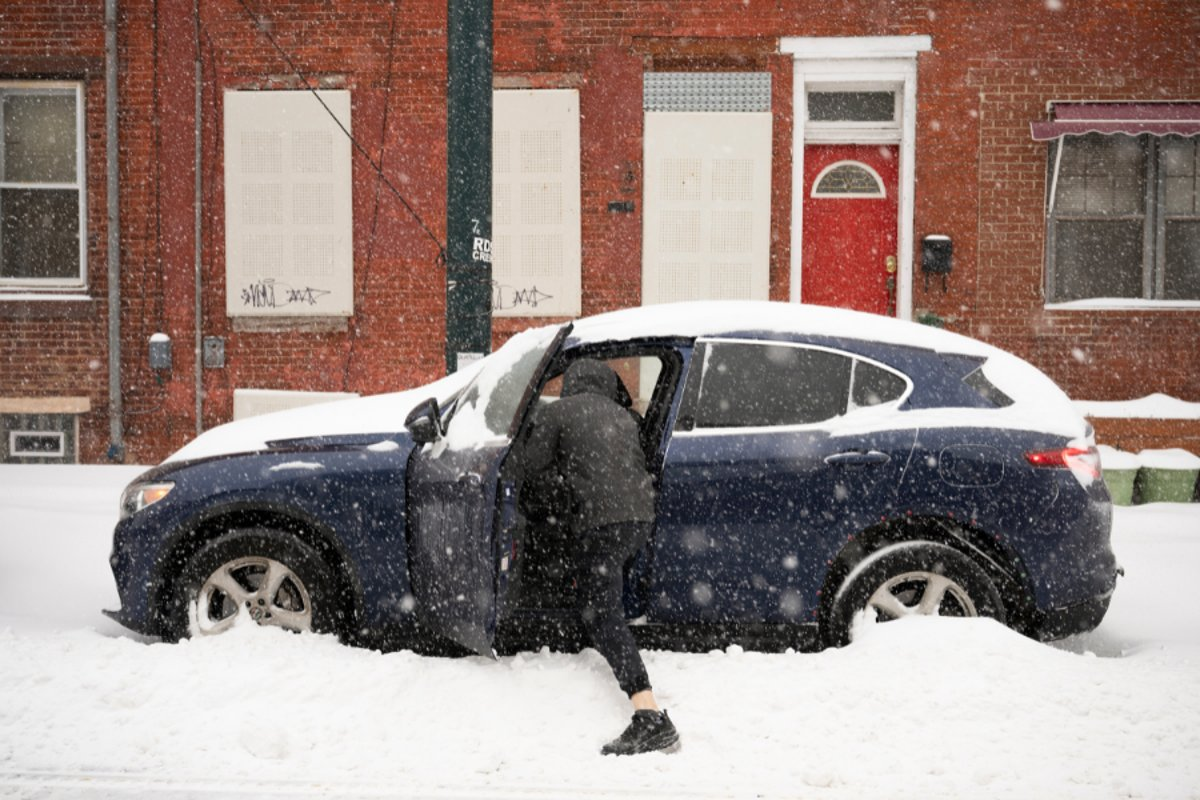
A violent confrontation in Philadelphia’s Kensington neighborhood has drawn renewed attention to the dangers of disputes over public parking, particularly in the aftermath of winter storms. A 45-year-old man was left in critical condition Thursday afternoon after being pistol-whipped during a brawl that police say stemmed from an argument over a snow-cleared street parking space.
The incident unfolded as residents continued to dig out from a recent winter storm, a time when tensions over limited parking often run high in densely populated urban areas. Philadelphia police have emphasized that street parking spaces are public property and that attempts to reserve them, commonly referred to as “savesies,” are illegal under city law.
According to investigators, what began as a verbal disagreement quickly escalated into physical violence involving multiple people and weapons. While no names have been released and no charges had been filed as of Thursday, authorities confirmed that all individuals involved were taken into custody as the investigation continued. The case underscores how quickly everyday conflicts can spiral into life-threatening situations, especially when emotions are heightened by stress, weather, and neighborhood pressures.
How the Kensington Parking Dispute Escalated Into Violence
Police said the incident occurred around 1:20 p.m. near Lehigh Avenue in Kensington, a neighborhood where on-street parking is often scarce even under normal conditions. Following the winter storm, residents had been shoveling snow from curbside spaces, a practice that frequently leads to disputes when others attempt to park in areas someone else has cleared.
According to preliminary police accounts, the altercation began between the 45-year-old victim and a 21-year-old man. What initially appeared to be a heated argument over a parking spot soon turned physical. As the confrontation intensified, additional individuals reportedly became involved, transforming the dispute into a broader brawl rather than a two-person fight.
Investigators said that during the struggle, the older man produced a knife, while the younger man drew a legally owned handgun. At some point, both men reportedly put their weapons down and continued fighting. Police have not clarified whether this decision was voluntary or prompted by others at the scene, but the presence of multiple weapons significantly raised the stakes of the encounter.
The situation took a more dangerous turn when a 36-year-old woman allegedly retrieved the handgun from a vehicle. Authorities say she struck the 45-year-old man in the head with the gun and then fired a single shot into the ground. The victim was critically injured as a result of the assault and was transported to a hospital for treatment. No other injuries were reported, and the discharged firearm did not strike anyone.
Read : Population Powerhouses: Top 10 Most Populous Nations on Earth
Philadelphia police have stated that all individuals involved were taken into custody, though as of Thursday evening, no formal charges had been announced. Investigators continue to review the circumstances surrounding the altercation, including the use of weapons and the sequence of events that led to the victim’s critical injuries.
Police Response and the Legal Reality of Street Parking in Philadelphia
In the wake of the incident, Philadelphia police used the case to reiterate a longstanding but often misunderstood point: residents do not own the street parking spaces in front of or near their homes. Saving a snow-cleared spot with cones, chairs, buckets, or other objects is illegal in Philadelphia, regardless of the effort involved in clearing it.
Read : Oldest Living Turtle Couple at Philadelphia Zoo Becomes Parents for the First Time in Their 90s
The practice, known locally as “savesies,” has long been a source of neighborhood friction during winter months. While some residents view it as a matter of fairness after spending hours shoveling heavy snow, city officials and police have consistently maintained that public streets must remain accessible to all drivers. Blocking or reserving a space can result in traffic violations, fines, and, in some cases, more serious legal consequences if confrontations arise.
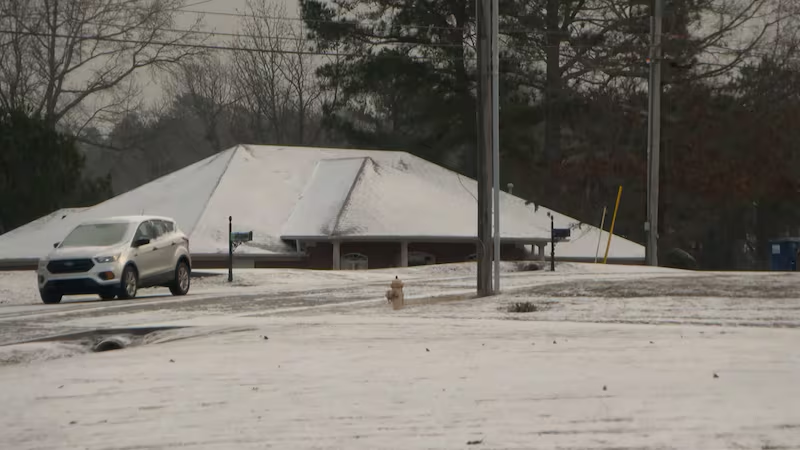
Sgt. Eric Gripp of the Philadelphia Police Department addressed the issue in comments to local media, noting that disputes over parking have led to tragic outcomes in the past. He referenced recent incidents across the city, including reports of threats between neighbors and property damage such as shattered windshields. Gripp emphasized that while stress levels tend to rise during severe weather events, no parking space is worth the risk of violence or serious injury.
Police officials have also highlighted that the presence of weapons, even legally owned ones, dramatically increases the danger of these disputes. While the younger man’s handgun was reportedly legal, its involvement in a volatile, physical confrontation complicated the situation and contributed to the severity of the outcome. The alleged decision by the woman to retrieve the gun and use it as a blunt weapon, followed by discharging it into the ground, will likely be a focal point of the ongoing investigation.
Law enforcement has urged residents to report illegal parking obstructions through official channels rather than confronting neighbors directly. City services can remove cones or other items used to reserve spots, reducing the likelihood of face-to-face conflicts that can quickly escalate.
A Broader Pattern of Parking-Related Conflicts and Community Impact
The Kensington incident is not an isolated case but part of a broader pattern seen in many urban areas during winter months. Snowstorms exacerbate existing parking shortages, turning routine inconveniences into flashpoints for anger and resentment. In cities like Philadelphia, where row houses and narrow streets dominate many neighborhoods, competition for parking can be intense even without the added complication of snow.
Read : Philadelphia Police Officer Shot Outside Friends Hospital by a Man They Were Dropping Off
Sociologists and urban planners have long noted that disputes over shared resources, such as public parking, are more likely to escalate when individuals feel a sense of personal ownership over something that is legally communal. Shoveling out a parking spot can create a psychological attachment, making it feel earned or deserved, even though the law does not recognize such claims. When another driver occupies the space, the act may be perceived not just as inconsiderate but as a personal affront.
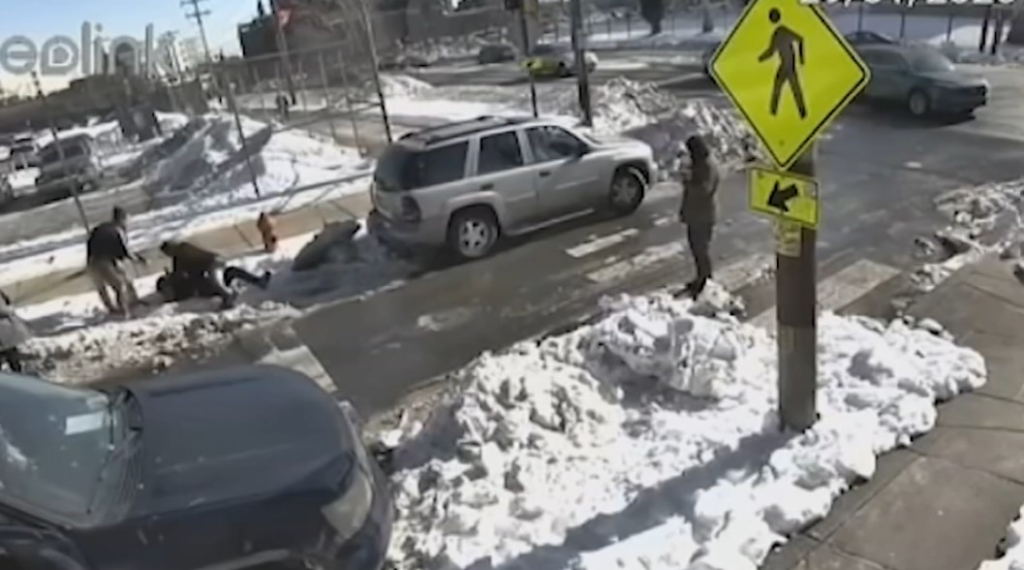
Police officials have pointed out that these conflicts often involve people who know each other or live in close proximity, which can further intensify emotions. Longstanding neighborhood tensions, combined with the physical stress of shoveling and the disruption caused by severe weather, create conditions where minor disagreements can quickly turn hostile.
The consequences, however, can be severe and long-lasting. In this case, a man remains in critical condition, and multiple individuals face potential criminal charges. Beyond the immediate physical harm, incidents like this can leave lasting scars on communities, eroding trust among neighbors and reinforcing a climate of fear or hostility.
Philadelphia authorities have used the incident as a reminder of the importance of de-escalation and community cooperation. Sgt. Gripp’s remarks emphasized that winter storms, while challenging, can also present opportunities for neighbors to help one another rather than compete. Clearing sidewalks together, sharing information about parking regulations, and avoiding confrontations can reduce the likelihood of violence.
As the investigation continues, the Kensington brawl serves as a stark example of how quickly everyday disputes can spiral out of control. It also highlights the need for continued public education about parking laws and conflict resolution, particularly during high-stress periods like major snowstorms. While street parking remains a persistent challenge in Philadelphia, police and city officials have made clear that violence over a public space is both illegal and preventable.
References:
Arnold schwarzenegger steroid regimen
References:
https://git.parat.swiss/essiegreener15/4664560/wiki/Dbol+and+Winny+Cycle+Can+Dianabol+and+Winstrol+be+Stacked%253F
I am no longer sure where you are getting your information, but good topic. I needs to spend a while studying more or understanding more. Thanks for magnificent info I used to be searching for this info for my mission.
References:
Steroid woman
References:
http://git.ibossay.com:3000/louishardee571/git.dieselor.bg9487/wiki/Clenbuterol-im-Bodybuilding%3A-Nutzen%2C-Risiken
References:
Most common steroid
References:
http://43.143.175.54:3000/staceylucia605/sponsorjobs.com.au1984/wiki/The-heart-of-the-internet
References:
Gnc supplements with steroids
References:
https://dwellorbit.in/employer/quercetin-in-tonglong-qibi-decoction-ameliorates-testosterone-induced-benign-prostatic-hyperplasia-in-rats-by-regulating-nrf2-signalling-pathways-and-oxidative-stress/