
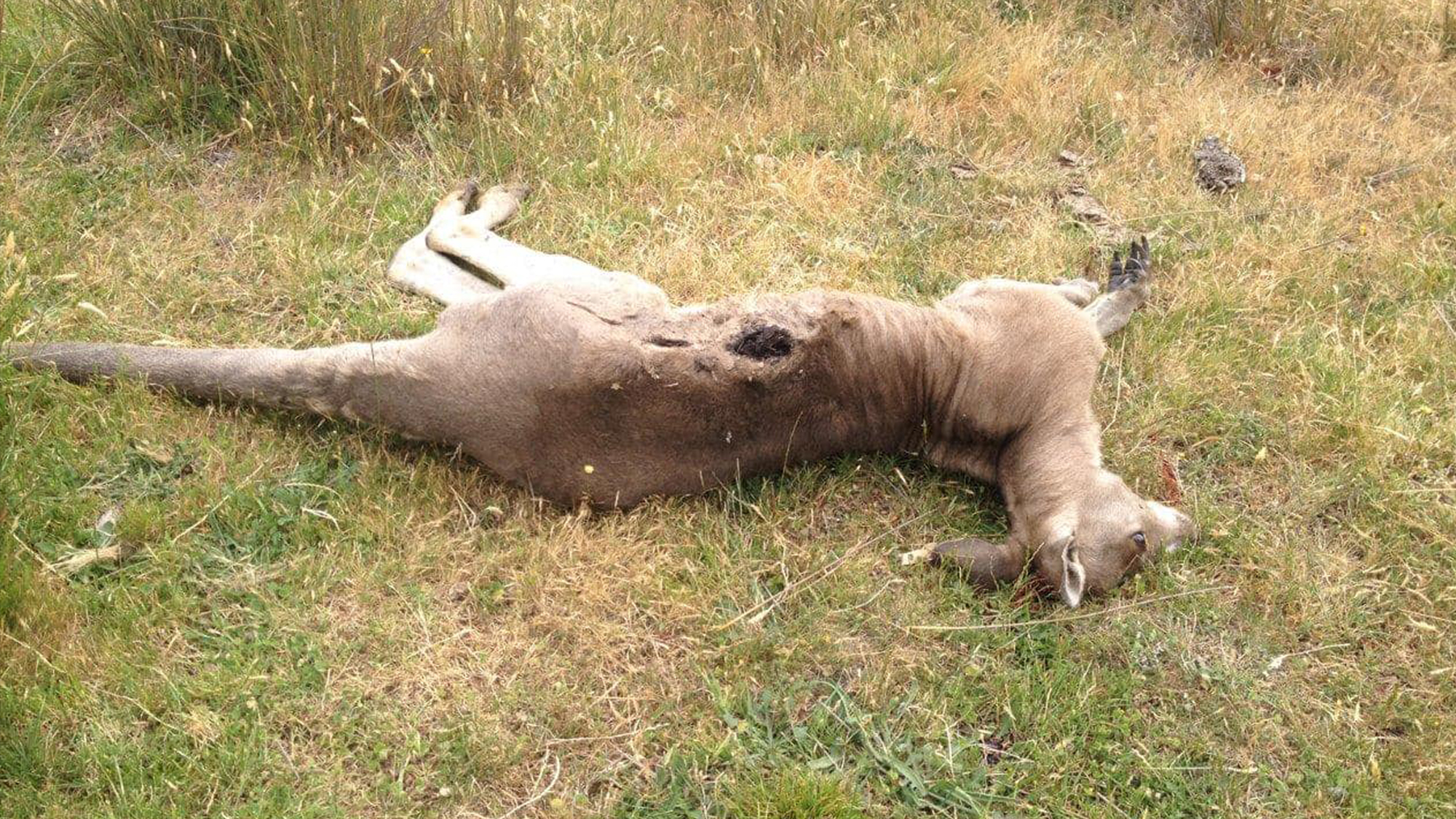
47-Year-Old Man Who Killed 100 kangaroos in a shocking act of animal cruelty has been charged with multiple offenses, including aggravated cruelty and unsafe firearm storage.
This incident, which took place at the Singleton army base in New South Wales, has sparked outrage across Australia and reignited debates about the effectiveness of animal protection laws and the need for harsher penalties for offenders.
Australia has been shaken by a recent case of extreme animal cruelty that highlights the need for stricter measures to protect wildlife. A 47-year-old man has been accused of the heinous act of killing nearly 100 kangaroos near Singleton in the Hunter Valley, triggering widespread outrage and a police investigation.
This incident, alongside other shocking acts of cruelty, has sparked renewed calls for tougher penalties and greater awareness about animal welfare.
The Shocking Incident at Singleton Army Base
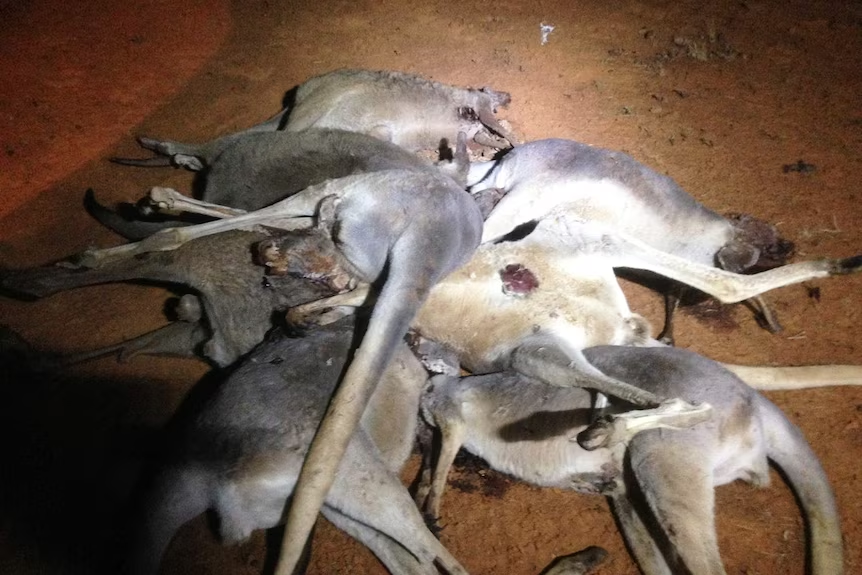
The Singleton army base, located in the serene Hunter Valley region, turned into the scene of an appalling crime on October 8. Police discovered the lifeless bodies of 98 kangaroos, accompanied by boxes of ammunition and spent cartridges.
This senseless slaughter allegedly involved the use of a rifle by the accused, a 47-year-old man whose actions have sent shockwaves throughout the nation.
The rural crime prevention team swiftly acted on the matter, tracking the alleged shooter to his home in Williamtown, north of Newcastle. A raid on his property uncovered multiple firearms, some of which were improperly stored.
Read : Australia: Explore the Captivating Beauty of the Land of Dreams
Additional weapons were seized from a second property in the Hunter region. The man now faces several charges, including aggravated cruelty to animals, unsafe firearm storage, trespassing, and firing guns in Commonwealth areas.
Read : 10 Famous UNESCO World Heritage Sites in Australia
This case marks a particularly grim moment for Australia, a country renowned for its unique wildlife. Kangaroos, iconic symbols of the nation, are protected animals, making this mass killing a deeply distressing violation of ethical and legal norms.
Other Recent Cases of Animal Cruelty in New South Wales
Disturbingly, the Singleton incident is just one of several recent cases of animal cruelty reported in New South Wales (NSW). Shortly after the kangaroo killings, 29 chickens were found dead at Corrimal High School in the Illawarra region.
These chickens, housed in a secure pen on the school’s agricultural grounds, were likely killed during the night. Authorities have ruled out predators like foxes or feral cats, pointing instead to deliberate human interference.
Inspector Allison Guthrie condemned the act as “beyond belief,” emphasizing the care that had gone into the chickens’ welfare before this violent intrusion.
This shocking event was followed by another incident at Murrumburrah High School, where two rare Saxony ducks named Philip and Elizabeth were brutally killed and mutilated. These beloved school animals were beheaded in what has been described as a “horrific act of cruelty.”
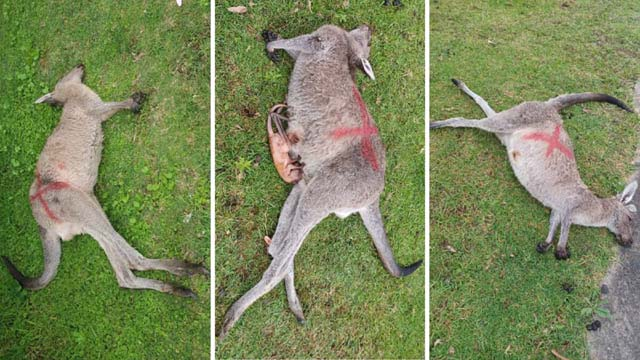
Adding to the distress, CCTV footage captured a separate incident in Lithgow in July, where a 20-year-old man allegedly used his ute to run over kangaroos, including joeys. While these cases are unrelated, their frequency underscores a troubling pattern of disregard for animal welfare.
The Legal and Ethical Implications of Animal Cruelty
Animal cruelty laws in Australia are designed to protect wildlife, domestic pets, and livestock from abuse and neglect. However, recent incidents have exposed significant gaps in the enforcement of these laws and the penalties handed down to offenders.
According to the Bureau of Crime Research and Statistics, only 4.2% of those convicted of animal cruelty offences in the past five years have received prison sentences. The majority of cases result in fines or community release, often unsupervised, raising questions about the adequacy of the judicial response.
Advocates for animal rights argue that these lenient penalties fail to reflect the gravity of such crimes. The mass killing of kangaroos, for example, not only causes immense suffering to the animals but also damages ecosystems and undermines efforts to conserve Australia’s unique biodiversity.
Moreover, cases like these have a ripple effect, affecting communities that have nurtured and cared for animals. Schools like Corrimal High and Murrumburrah High serve as educational hubs where students learn about responsibility and compassion through interactions with animals. The loss of these animals through acts of cruelty disrupts these efforts and leaves a lasting emotional impact.
The arrest of the 47-year-old man accused of killing nearly 100 kangaroos is a grim reminder of the urgent need for stronger protections for animals in Australia.
As the nation grapples with a string of heinous acts of cruelty, the spotlight turns to policymakers, law enforcement, and communities to ensure that such incidents are met with swift and severe consequences.
Protecting Australia’s wildlife is not just a matter of law; it is a moral imperative that speaks to the values of respect, compassion, and coexistence.
The time has come to address these issues with the seriousness they deserve, ensuring that those who commit such acts are held accountable and that measures are in place to prevent future cruelty.