

Pope Francis has made history by approving the canonisation of Blessed Maria Carmen Rendiles, paving the way for Venezuela’s first female saint. This significant announcement has been met with great joy and anticipation among Catholics in Venezuela and beyond.
The decision came after the Vatican confirmed a miracle attributed to Rendiles, a revered religious figure who dedicated her life to faith, service, and spiritual leadership. With this declaration, she joins a select group of individuals who have been officially recognised for their holiness and miracles, marking an important moment in the religious history of Venezuela.
The Life and Legacy of Blessed Maria Carmen Rendiles
Maria Carmen Rendiles was born on August 11, 1903, in Caracas, Venezuela. From a young age, she demonstrated a strong commitment to faith and service. Her early life was marked by the loss of her father, a tragedy that pushed her to take on responsibilities at an early age.
Despite personal hardships, including the loss of an arm, she remained dedicated to her religious calling, using her faith as a source of strength and inspiration. Rendiles joined a French congregation in Venezuela in 1927, committing herself to religious life. At the age of 24, she became a novice and continued her journey of spiritual devotion.
Her commitment to serving the Catholic Church led her to establish the Congregation of the Handmaids of Jesus in 1961. This congregation was dedicated to religious education, charity work, and supporting the spiritual needs of Venezuelan communities. Through her leadership, the congregation flourished, spreading the message of love, compassion, and unwavering faith.
Read : Pope Names Italian Nun Simona Brambilla as First Woman to Lead Major Vatican Office
Her work extended beyond spiritual guidance; she was deeply involved in community-building efforts, uplifting the underprivileged, and providing religious instruction to those in need.
Read : Pope Francis Becomes the First of His Title to Attend the G7 Summit: Sounding the Alarm on AI
Her efforts gained the recognition of the Catholic Church in Venezuela, and she became a widely respected figure in religious circles. Maria Carmen Rendiles passed away on May 9, 1977, leaving behind a lasting legacy of devotion, humility, and unwavering commitment to Christ.
The Miracle That Led to Canonisation
One of the key requirements for canonisation in the Catholic Church is the recognition of miracles attributed to the intercession of a beatified individual. In the case of Blessed Maria Carmen Rendiles, her path to sainthood was confirmed by a miraculous healing that defied medical explanation.
The Vatican detailed the case of a young woman who was diagnosed with hydrocephalus, a severe condition characterized by an abnormal buildup of cerebrospinal fluid in the brain. Her condition worsened significantly, leaving her and her loved ones in distress.
During a mass held near the grave of Maria Carmen Rendiles, prayers were offered for the woman’s recovery. In a moment of faith, the woman touched a portrait of Rendiles, and astonishingly, her health began to improve rapidly.
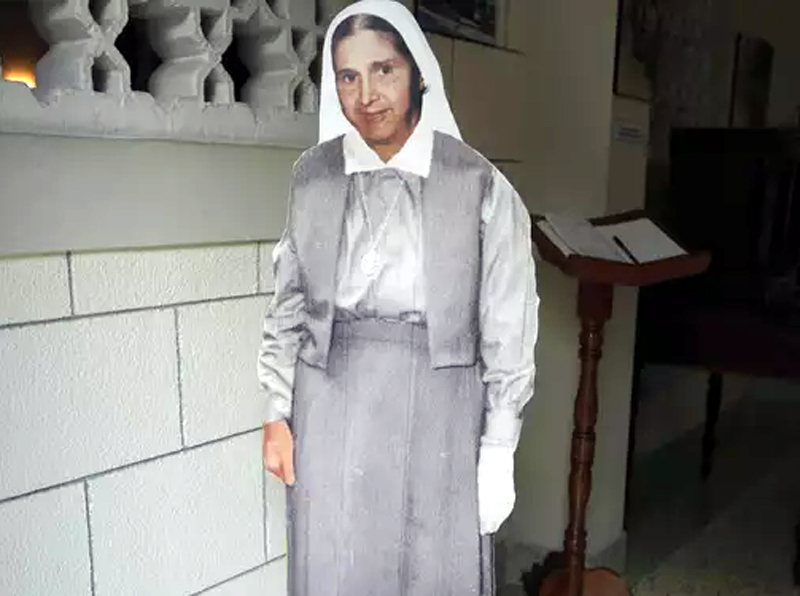
Medical experts could not provide a scientific explanation for her sudden and complete recovery. The Vatican, after a thorough investigation, deemed the event to be miraculous, fulfilling a crucial requirement for Rendiles’ canonisation. This declaration by Pope Francis marks a significant step in the recognition of her holiness and spiritual influence.
The confirmation of this miracle serves as a powerful testament to faith and the belief in divine intervention. For many Venezuelan Catholics, it reaffirms the importance of prayer, hope, and trust in the saints who intercede on their behalf.
The story of this miraculous healing has since inspired many, further strengthening devotion to Maria Carmen Rendiles and her teachings.
The Significance of Venezuela’s First Female Saint
The canonisation of Maria Carmen Rendiles carries profound significance for Venezuela and the wider Catholic community. As the first female saint from Venezuela, her recognition highlights the contributions of women in religious leadership and their impact on the spiritual lives of believers.
Her journey from a devoted young woman to a revered saint serves as an inspiration to many, particularly to women who aspire to lead and serve in religious communities.
Her canonisation also brings hope and encouragement to Venezuelans, a country that has faced economic and social hardships in recent years. For many, her elevation to sainthood is seen as a beacon of faith and resilience, reminding them of the power of spirituality and the importance of perseverance.
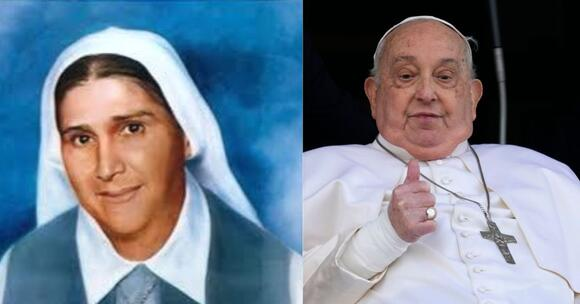
Pope Francis’ decision to recognise Maria Carmen Rendiles as a saint also aligns with his broader commitment to acknowledging holy figures from diverse backgrounds and cultures. By honoring her, the Catholic Church reinforces its dedication to recognizing the holiness of individuals from all walks of life, irrespective of geographical boundaries.
The process of canonisation is not merely a religious ritual but a moment of deep cultural and spiritual significance. It affirms the Catholic Church’s continued engagement with its followers and the recognition of those who have lived exemplary lives of faith and service.
The announcement of Rendiles’ sainthood has been met with celebrations, prayers, and renewed devotion among Venezuelan Catholics and beyond.
As Venezuela awaits the official canonisation ceremony, the faithful continue to honor Blessed Maria Carmen Rendiles, drawing inspiration from her life and teachings. Her journey to sainthood stands as a testament to the enduring power of faith, the strength of perseverance, and the belief in divine miracles.
Her story will be cherished for generations, serving as a source of encouragement for all who seek to live a life of virtue and service.