
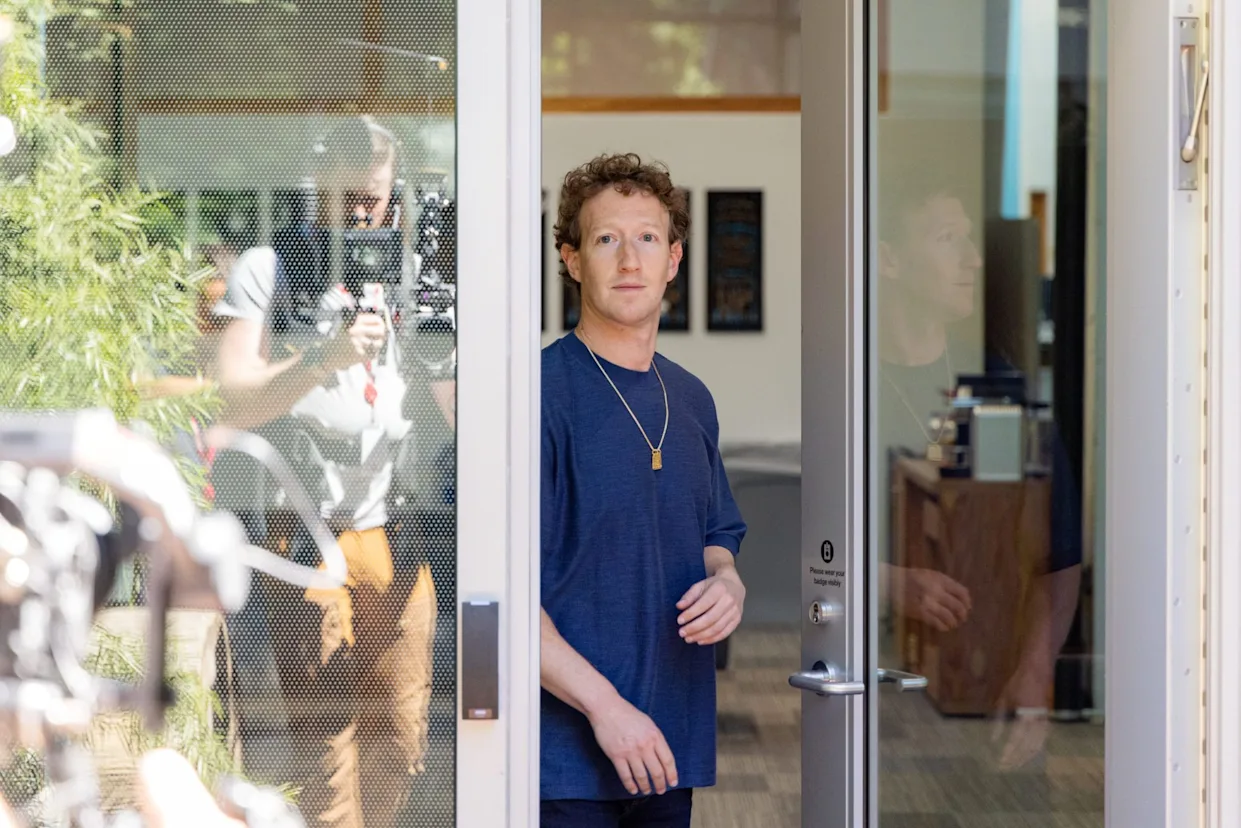
Mark Zuckerberg’s decision to gift noise-cancelling headphones to his neighbors in Palo Alto this Christmas has drawn widespread attention, not because of the extravagance of the gift itself, but because of the circumstances that prompted it. The Meta CEO, whose presence in the Crescent Park neighborhood has steadily grown over the past decade, has long been associated with extensive construction, property consolidation, and lifestyle changes that have altered the character of the area.
What began as a few home purchases gradually evolved into an expansive residential compound, accompanied by years of noise, street disruptions, and heightened security. The Christmas gesture, reported by The New York Times, has therefore been interpreted less as a festive goodwill exchange and more as a strategic attempt to ease long-simmering neighborhood tensions. The episode offers a revealing case study of how immense private wealth intersects with community life, and whether symbolic gestures can meaningfully address prolonged disruption.
A Neighborhood Transformed by Expansion and Construction
Crescent Park, once a quiet and prestigious Palo Alto neighborhood, was traditionally home to professionals such as lawyers, senior business executives, and Stanford University professors. Tree-lined streets, low-key social rhythms, and a sense of stability defined the area for decades. This equilibrium began to shift when Mark Zuckerberg started purchasing properties in the neighborhood more than 14 years ago. Over time, he acquired nearly 11 homes along Edgewood Drive and Hamilton Avenue, reportedly spending more than $110 million in the process. While individual home renovations are not uncommon in affluent areas, the scale and duration of Zuckerberg’s construction activity set it apart.
Nearly eight years of ongoing work have involved not only visible renovations but also substantial underground development. Reports indicate that Mark Zuckerberg added approximately 7,000 square feet of space beneath the compound, with residents describing the underground structures as “bunkers” or a “billionaire’s bat cave.” Such characterizations, while informal, reflect the perception that the project goes far beyond routine home improvement. The persistent presence of heavy machinery, frequent street blockages, debris, and noise has reportedly disrupted daily life for surrounding households.
Beyond construction, neighbors have also expressed unease over increased surveillance and security measures, which they say have contributed to a sense of being watched or constrained within their own community. Additionally, reports of lavish parties and heightened activity have added to the feeling that the neighborhood has been reshaped around the needs and lifestyle of a single, extremely powerful resident. While many of these actions fall within legal and regulatory boundaries, the cumulative impact has been a steady erosion of goodwill among those living nearby.
Read : Watch How Mark Zuckerberg Celebrates 4th of July Surfing in a Tux, Waving the American Flag
Against this backdrop, the Christmas gifts take on a layered significance. Noise-cancelling headphones, in particular, serve as a tacit acknowledgment that noise has been a persistent and unresolved issue. While such devices are technologically advanced and widely appreciated for their effectiveness, their symbolism in this context is complex. For some neighbors, the gesture may represent a thoughtful, if belated, attempt to recognize inconvenience. For others, it may underscore the imbalance between enduring years of disruption and receiving a consumer product as compensation.
The Strategy and Symbolism Behind the Christmas Gifts
According to reports, the noise-cancelling headphones were not the only items distributed. Mark Zuckerberg’s staff also offered bottles of sparkling wine and boxes of Krispy Kreme doughnuts to neighbors who had raised concerns about construction-related disturbances. These gifts align with a familiar corporate and public-relations playbook, where small but tangible tokens are used to soften perceptions and signal goodwill. In a festive context like Christmas, such gestures can appear warmer and more personal, potentially diffusing criticism through seasonal sentiment.
Read : Mark Zuckerberg’s Beloved Dog ‘Beast’ Dies at 14
A spokesperson for Zuckerberg emphasized that he and his family have considered Palo Alto their home for more than a decade and value being members of the community. The statement noted that they had taken steps “above and beyond any local requirements” to minimize disruption. From a formal standpoint, this defense highlights compliance and voluntary mitigation efforts. However, community relations are shaped as much by perception and experience as by regulatory adherence.
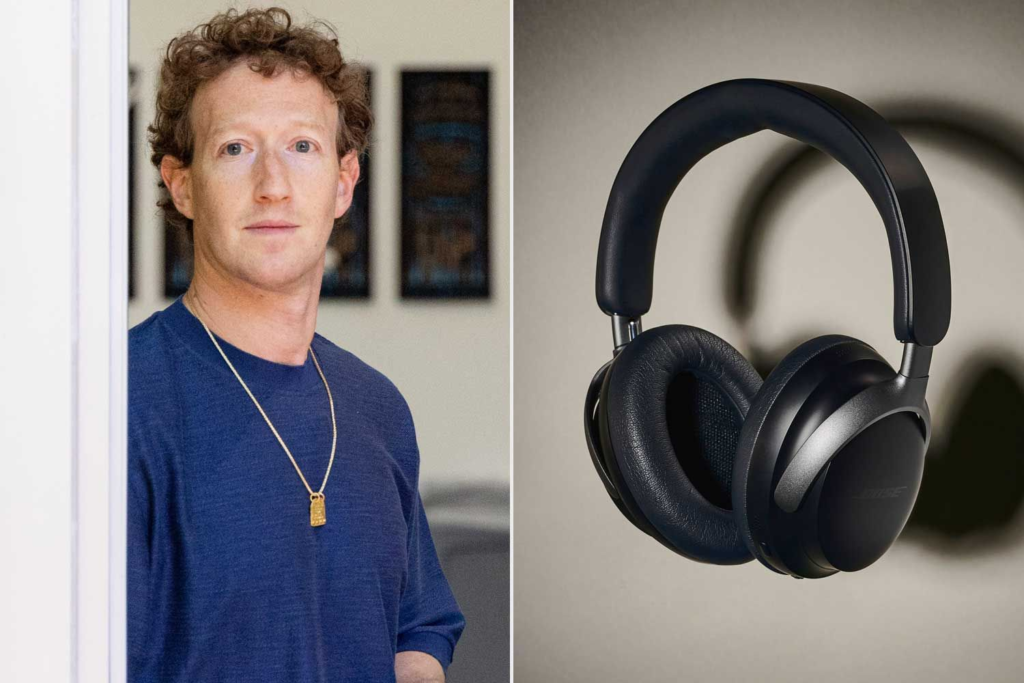
Noise-cancelling headphones, while practical, also reflect the reality that the source of disturbance remains. Rather than eliminating or significantly reducing noise, the solution offered allows recipients to shield themselves from it. This distinction is important. In effect, the responsibility for coping with the disruption is partially transferred to the neighbors, albeit with high-quality tools provided. For some, this may feel pragmatic and considerate. For others, it may seem like an admission that the disruption will continue, and that accommodation, rather than resolution, is the intended outcome.
The broader symbolism extends beyond this single neighborhood. Zuckerberg is not just a local resident; he is one of the world’s most influential technology executives. His actions are often scrutinized for what they reveal about the culture of Silicon Valley wealth and power. The gifting episode has therefore resonated as an illustration of how billionaires navigate friction with surrounding communities. The contrast between immense financial resources and relatively modest peace offerings raises questions about proportionality, responsibility, and the limits of personal gestures in addressing systemic inconvenience.
Are Noise-Cancelling Headphones an Effective Peace Offering?
The central question emerging from this episode is whether noise-cancelling headphones constitute a good idea as a peace offering, particularly in situations involving long-term disruption. From a functional perspective, such headphones are undeniably effective. They are widely used in offices, airplanes, and urban environments to reduce ambient noise and improve concentration or comfort. As a gift, they are modern, valuable, and likely to be used rather than discarded.
Read : Mark Zuckerberg Wears World’s Thinnest Mechanical Watch
However, effectiveness in community relations depends on more than utility. Neighbors affected by years of construction may prioritize predictability, reduced noise schedules, clearer communication, or definitive project timelines over compensatory gifts. In that sense, headphones may address symptoms rather than causes. They can make the noise less intrusive for individuals, but they do not restore quiet streets, unblock roads, or remove debris.
There is also the question of equity and voice. Not all neighbors experience disruption equally, and not all may feel comfortable accepting gifts from a powerful figure whose activities they have criticized. Some may perceive the gesture as a way to preempt complaints rather than engage in meaningful dialogue. Others may welcome it as a sign that their concerns have been heard, even if imperfectly addressed. Community responses are therefore likely to be mixed, shaped by personal experiences and expectations.
More broadly, the episode highlights a recurring tension in affluent urban areas where large-scale private projects intersect with public life. Wealth enables individuals to reshape physical spaces to an extraordinary degree, but it does not automatically confer social consent. Managing that gap requires sustained engagement, transparency, and, at times, compromise. One-off gestures, even well-intentioned ones, have limited capacity to resolve conflicts that have developed over many years.
In the end, Zuckerberg’s Christmas gifts may succeed in easing some immediate frustration, particularly during a season associated with goodwill. Yet their lasting impact on neighborhood relations remains uncertain. Noise-cancelling headphones can mute sound, but they cannot silence deeper concerns about disruption, fairness, and the changing character of a community. Whether this gesture marks a turning point or merely a brief pause in long-standing tensions will depend on what follows after the holiday season ends.
16bet4, hmm. Heard about them through a friend. Found that the platform is fairly straightforward, not gonna lie. Nothing too fancy, but it gets the job done. Give ’em a look-see! 16bet4