
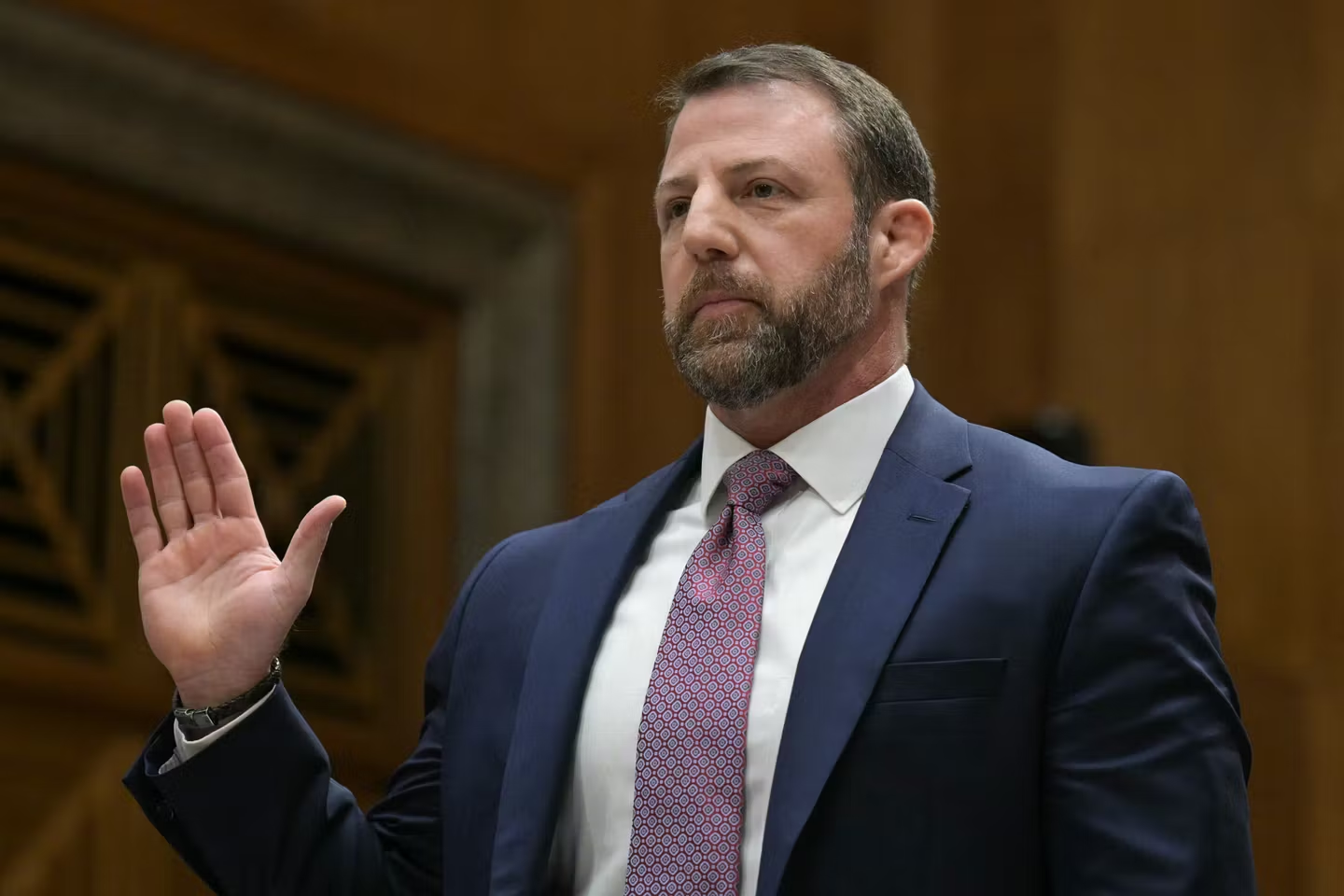
Markwayne Mullin has emerged as a central figure in American politics following his confirmation as the next Secretary of the Department of Homeland Security in a closely contested 54–45 Senate vote. The Oklahoma senator now steps into one of the most complex and scrutinized roles in the federal government at a time marked by institutional instability, an ongoing funding lapse, and heightened national debate over immigration enforcement.
His appointment reflects both his deep political ties and his reputation as a combative yet accessible lawmaker who has built relationships across party lines. As the Department of Homeland Security faces operational challenges and public scrutiny, Mullin’s leadership is expected to shape not only the agency’s direction but also broader national policy debates.
Political Rise and Relationships in Washington
Markwayne Mullin’s journey to the top of one of the nation’s most critical federal agencies has been defined by his steady rise through Congress and his ability to maintain strong relationships within Republican ranks. Before joining the Senate, Mullin served in the House of Representatives, where he developed a reputation as a bridge between the two chambers of Congress. His connections with House Republicans and Senate colleagues alike made him a valuable intermediary, particularly during periods of internal party disagreement.
Throughout his tenure, Mullin positioned himself as a lawmaker willing to engage directly with colleagues, emphasizing accessibility and communication. During his confirmation process, he underscored this approach by pledging to remain available to members of Congress and maintain open lines of communication. This commitment was framed as a response to frustrations often expressed by lawmakers who feel disconnected from executive agencies.
Mullin’s close alignment with former President Donald Trump has also been a defining feature of his political identity. He has consistently supported Trump’s policy agenda, particularly on immigration, and frequently appeared in conservative media to advocate for administration priorities. Beyond politics, the relationship between Mullin and Trump has been described as personal, strengthened during a difficult period when Mullin’s teenage son suffered a severe brain injury and Trump maintained regular contact with him.
This combination of political loyalty and personal connection has elevated Mullin’s standing within Trump’s circle, ultimately contributing to his nomination for the Homeland Security role. His confirmation, despite some bipartisan resistance, highlights the influence of these relationships in shaping high-level appointments.
A Controversial Confirmation Process
Mullin’s path to confirmation was not without significant controversy. The Senate vote reflected a divided chamber, with most Republicans supporting the nomination while a small number broke ranks and a handful of Democrats offered their backing. The final tally of 54–45 underscored the contentious nature of the decision, particularly given the critical responsibilities associated with the Department of Homeland Security.
One of the most prominent critics of Mullin’s nomination was Senator Rand Paul, who voted against him and raised concerns about his temperament. Paul pointed to past incidents, including public comments and confrontational moments during Senate hearings, to argue that Mullin’s behavior could be problematic in a leadership role requiring restraint and diplomacy. These concerns were amplified by references to a 2023 hearing in which Mullin appeared prepared to engage physically with a witness, an incident that drew widespread attention at the time.
Here’s Senator Markwayne Mullin, the guy Donald Trump has tapped to replace Kristi Noem as DHS Secretary, babbling about the smell of war (he’s not a veteran) and calling Pete Hegseth the president.
— Art Candee 🍿🥤 (@ArtCandee) March 5, 2026
🤦♀️pic.twitter.com/1vV7x49zKo
Mullin also faced scrutiny over allegations of “stolen valor,” tied to statements he had made about his experiences related to military training. During his confirmation hearing, he described participating in specialized training exercises while serving in Congress and characterized the situation as a misunderstanding. Although he later provided additional details in a classified setting, some senators remained uncertain about the clarity of his explanation.
Despite these challenges, Mullin secured support from unexpected quarters. Democratic Senators John Fetterman and Martin Heinrich voted in favor of his confirmation, citing personal relationships and confidence in his independence. Heinrich, in particular, emphasized that Mullin was not someone easily influenced by external pressure, suggesting that he could act autonomously even within a politically charged administration.
Mullin’s testimony during the hearings aimed to address concerns about his leadership style. He acknowledged past mistakes, including a controversial remark made in the aftermath of a fatal shooting incident, and emphasized his willingness to take responsibility. By presenting himself as a leader who would learn from errors and prioritize accountability, he sought to reassure lawmakers wary of his temperament.
Challenges Ahead at the Department of Homeland Security
As Mullin assumes leadership of the Department of Homeland Security, he inherits an agency facing multiple layers of crisis. One of the most immediate issues is the ongoing funding lapse, which began on February 14 and has yet to be resolved. Negotiations between lawmakers and the administration continue, with significant disagreements over immigration enforcement policies complicating efforts to reach a deal.
Read : Roman-Flores Twins Arrested for Online Threats to Kill DHS Official Tricia McLaughlin
The department is also grappling with internal tensions and public criticism following high-profile incidents, including fatal shootings that have intensified scrutiny of federal enforcement practices. These events have fueled demands from Democrats for reforms, particularly regarding the use of judicial warrants in immigration operations. Mullin has signaled openness to some changes, indicating a willingness to require judicial warrants for entry into private property in most cases, a shift that could represent a departure from existing practices.
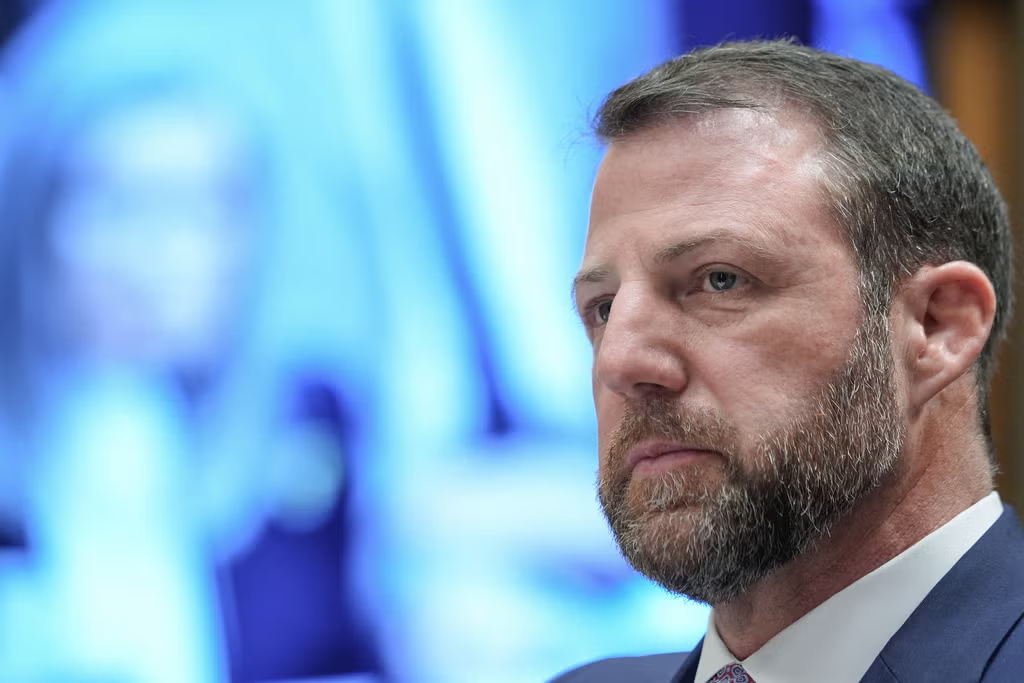
In addition to policy debates, Mullin faces the task of restoring stability within the department after the departure of his predecessor, Kristi Noem. Her tenure ended amid mounting criticism from lawmakers and concerns about her handling of sensitive situations, leaving the agency in a state of uncertainty. Mullin has sought to distinguish his leadership style by emphasizing accountability and a lower public profile, stating that his goal is to reduce the department’s presence in daily headlines.
Another significant challenge will be managing the operational role of Immigration and Customs Enforcement. Mullin has suggested rethinking how the agency is deployed, proposing a model in which ICE functions more as a support and transport entity rather than operating on the front lines. This approach reflects an attempt to balance enforcement priorities with concerns about public perception and legal standards.
Mullin’s leadership will also be tested by the broader political environment, where immigration remains one of the most divisive issues. His strong support for stricter enforcement aligns with the administration’s priorities, but his acknowledgment of the need for procedural adjustments indicates an awareness of the complexities involved. Navigating these competing pressures will be critical to his effectiveness as Secretary.
Ultimately, Mullin enters the role at a moment when the Department of Homeland Security stands at a crossroads. The combination of operational challenges, political divisions, and public scrutiny creates a demanding environment for any leader. His ability to leverage his relationships, address concerns about his temperament, and implement policy changes will determine how successfully he can guide the department through this period of uncertainty.