
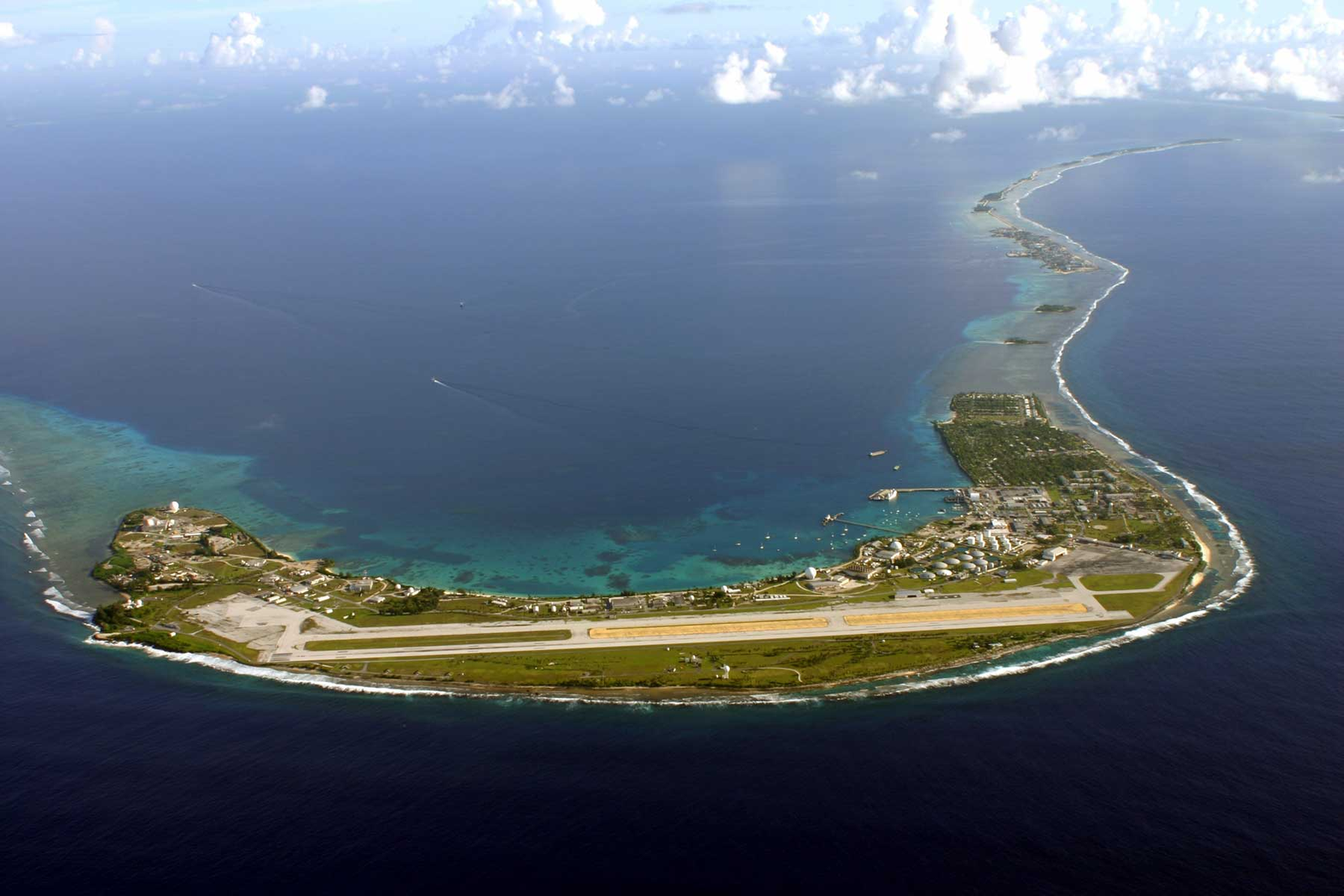
The Marshall Islands, a mesmerizing archipelago in the heart of the central Pacific Ocean, offers a captivating blend of natural beauty and rich cultural heritage. This island nation comprises 29 coral atolls and 5 volcanic islands, creating an idyllic paradise with pristine beaches, crystal-clear lagoons, and vibrant marine life.
Positioned midway between Hawaii and Australia, the Marshall Islands is a haven for adventure seekers and nature lovers alike, boasting an array of stunning landscapes and a unique cultural tapestry. Its strategic location, coupled with its untamed beauty, makes it a remarkable destination for those looking to explore the tranquil yet exhilarating essence of the Pacific.
Table of Contents
Geography
The Marshall Islands spans approximately 181 square kilometers (70 square miles) and is composed of 1,225 individual islands and islets grouped into two parallel chains: the Ratak Chain and the Ralik Chain. The nation’s geographical setting is characterized by its low-lying atolls and volcanic islands, which are spread over 2 million square kilometers of ocean.
Located roughly halfway between Hawaii and Australia, the Marshall Islands shares maritime boundaries with several countries, including the United States, which maintains a Compact of Free Association with the nation. Its remote yet accessible position makes it an intriguing destination for travelers seeking both adventure and tranquility.
States of Marshall Islands
The Marshall Islands is divided into 24 political subdivisions known as atolls and islands. These are organized into two main regions: the Ratak Chain and the Ralik Chain. Unlike states or provinces, these subdivisions are individual atolls or islands rather than states.
| No. | Atoll/Island |
|---|---|
| 1 | Ailuk |
| 2 | Aur |
| 3 | Bikini |
| 4 | Ebon |
| 5 | Enewetak |
| 6 | Jaluit |
| 7 | Kwajalein |
| 8 | Lae |
| 9 | Lib |
| 10 | Likiep |
| 11 | Majuro |
| 12 | Maloelap |
| 13 | Mejit |
| 14 | Mili |
| 15 | Namorik |
| 16 | Namu |
| 17 | Rongelap |
| 18 | Runit |
| 19 | Taongi |
| 20 | Toke |
| 21 | Wotho |
| 22 | Wotje |
| 23 | Arno |
| 24 | Ailuk |
History
The history of the Marshall Islands is as diverse as its stunning landscapes. The islands have been inhabited for over 2,000 years, with the Micronesian peoples establishing sophisticated navigational and cultural systems long before European contact.
In the 16th century, Spanish explorers were the first Europeans to chart the islands, although it wasn’t until the 19th century that the area came under greater Western influence. The late 1800s saw the islands fall under German control, only to be transferred to Japanese administration following World War I. During World War II, the islands were strategically significant, leading to intense battles and significant military presence.
Following the war, the Marshall Islands entered a new chapter under U.S. administration, becoming a trust territory of the United States in 1947. This period saw the islands’ strategic importance during the Cold War, including nuclear testing that had lasting effects on the environment and local communities.
In 1986, the Marshall Islands achieved sovereignty through the Compact of Free Association with the United States, which continues to define its political and economic relationship with the U.S. today. The nation’s history is a tapestry of indigenous resilience, colonial influence, and modern geopolitical shifts.
Top Ten Must-Visit Destinations
1. Bikini Atoll
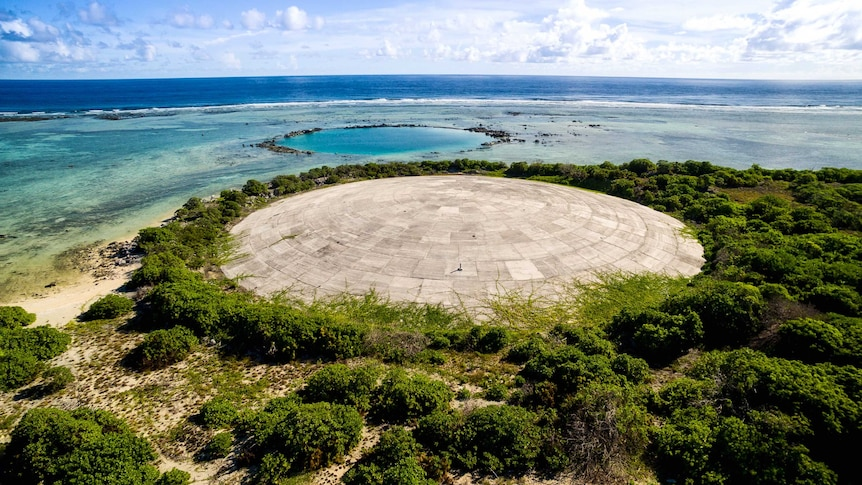
Bikini Atoll is famed for its historical significance as the site of nuclear tests conducted by the United States between 1946 and 1958. Today, it is a popular spot for scuba divers and history enthusiasts who come to explore the underwater remnants of the sunken ships and aircraft from the Cold War era. The atoll’s clear waters and vibrant marine life provide a haunting yet beautiful reminder of the past, making it a must-visit destination for those interested in both history and marine exploration.
2. Majuro Atoll
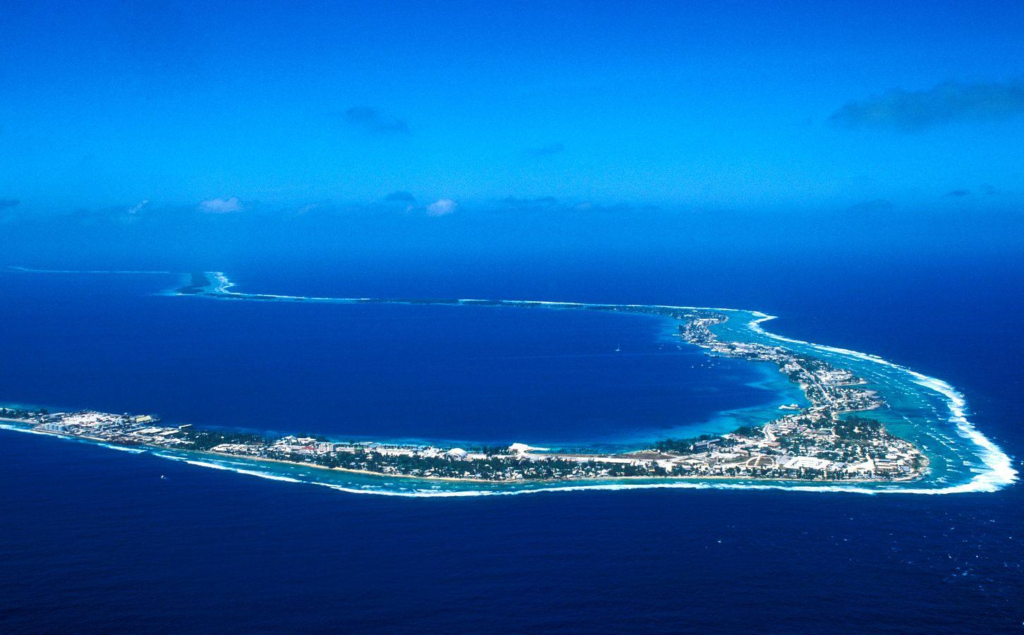
Majuro, the capital of the Marshall Islands, is a bustling hub of activity and culture. Its lagoon is one of the most beautiful in the Pacific, and visitors can enjoy swimming, snorkeling, and diving in its crystal-clear waters. The atoll also features the Marshall Islands Museum, which offers insights into the country’s history and culture. Majuro’s local markets and restaurants provide a glimpse into the everyday life and traditions of the Marshallese people.
3. Kwajalein Atoll
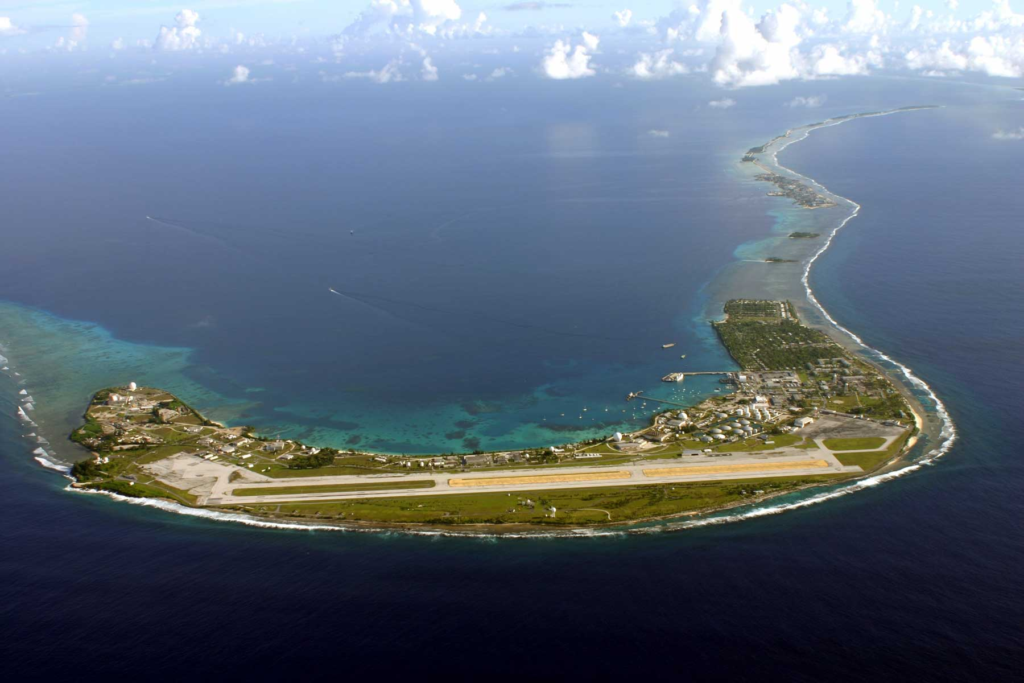
Kwajalein Atoll is known for its stunning coral reefs and pristine beaches. It is home to the Ronald Reagan Ballistic Missile Defense Test Site, which plays a crucial role in the U.S. missile defense program. Beyond its military significance, Kwajalein offers exceptional snorkeling and diving opportunities, with vibrant coral gardens and abundant marine life. The island’s serene environment makes it a perfect spot for relaxation and nature enthusiasts.
4. Arno Atoll
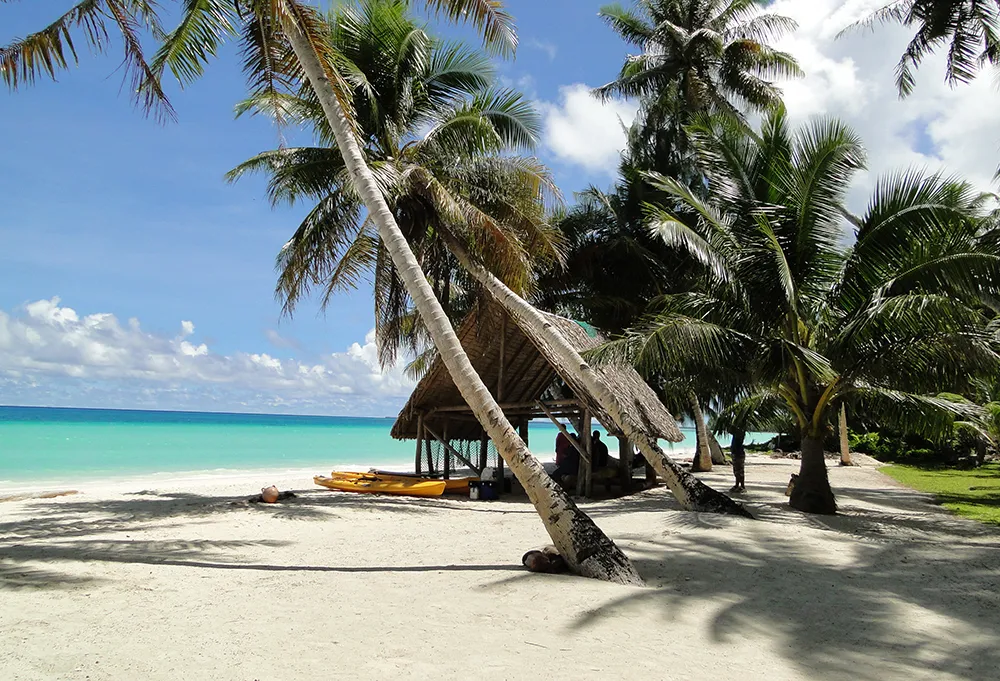
Arno Atoll is a picturesque destination renowned for its natural beauty and traditional Marshallese culture. The atoll’s clear lagoons and white sandy beaches are ideal for swimming and sunbathing. Visitors can experience local customs and traditions in Arno, where traditional dance performances and craft markets offer a glimpse into the islanders’ way of life. The atoll’s serene environment and cultural richness make it a unique and memorable destination.
5. Jaluit Atoll
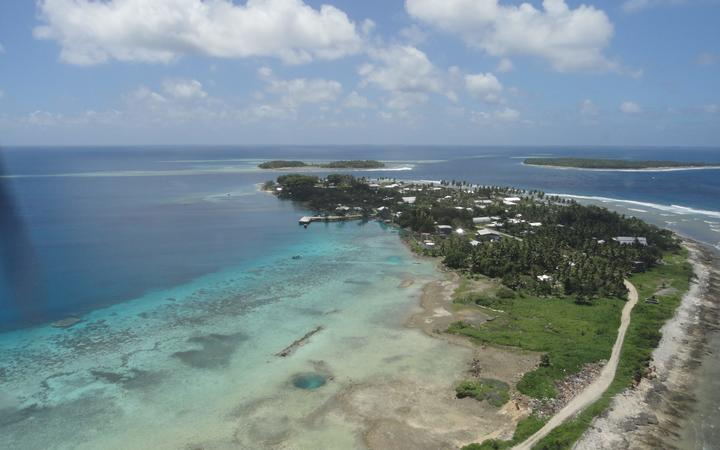
Jaluit Atoll is historically significant as a former German administrative center. It features a beautiful lagoon surrounded by numerous small islands, making it a great location for kayaking and exploring. Jaluit is also home to several traditional Marshallese villages where visitors can engage with the local community and learn about their customs. The atoll’s blend of historical significance and natural beauty provides a rich cultural experience.
6. Enewetak Atoll
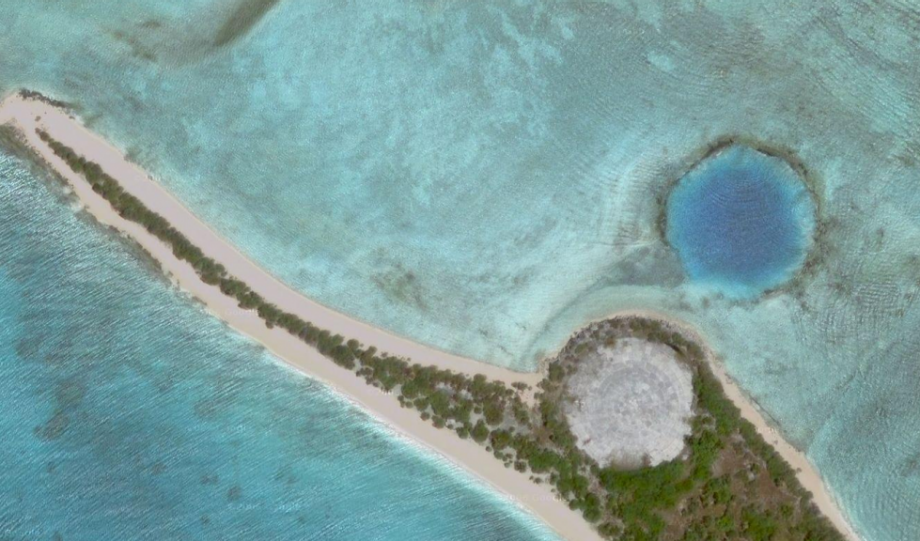
Enewetak Atoll is another site of historical importance, having been used for nuclear testing during the mid-20th century. Today, it is a peaceful and remote destination, with clear waters and excellent diving opportunities. The atoll’s serene environment and underwater attractions offer a quiet retreat from more tourist-heavy spots, making it a great choice for those seeking solitude and natural beauty.
7. Maloelap Atoll
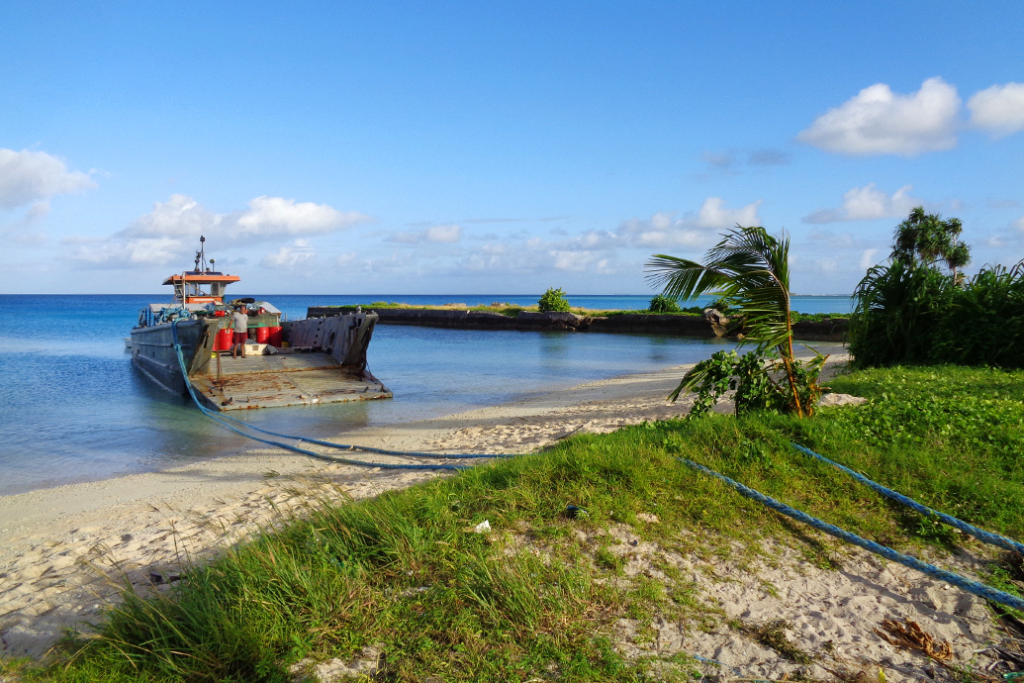
Maloelap Atoll is celebrated for its natural beauty and traditional Marshallese culture. The atoll features pristine beaches and crystal-clear waters perfect for snorkeling and swimming. Maloelap is also known for its cultural heritage, with local festivals and traditional ceremonies providing insight into the islanders’ way of life. The atoll’s combination of natural splendor and cultural richness makes it an appealing destination for travelers.
8. Wotje Atoll
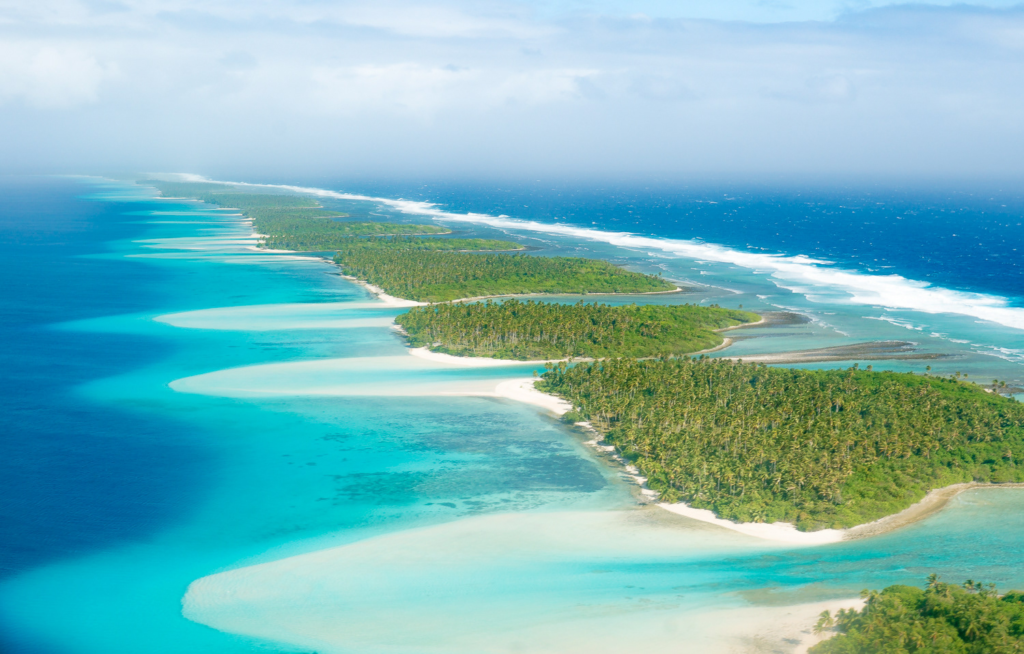
Wotje Atoll is a remote and tranquil destination known for its untouched beauty and clear waters. It is less frequented by tourists, offering a more secluded experience compared to other atolls. Wotje’s pristine beaches and excellent diving conditions make it a great spot for nature lovers looking to escape the hustle and bustle of more crowded areas.
9. Mili Atoll
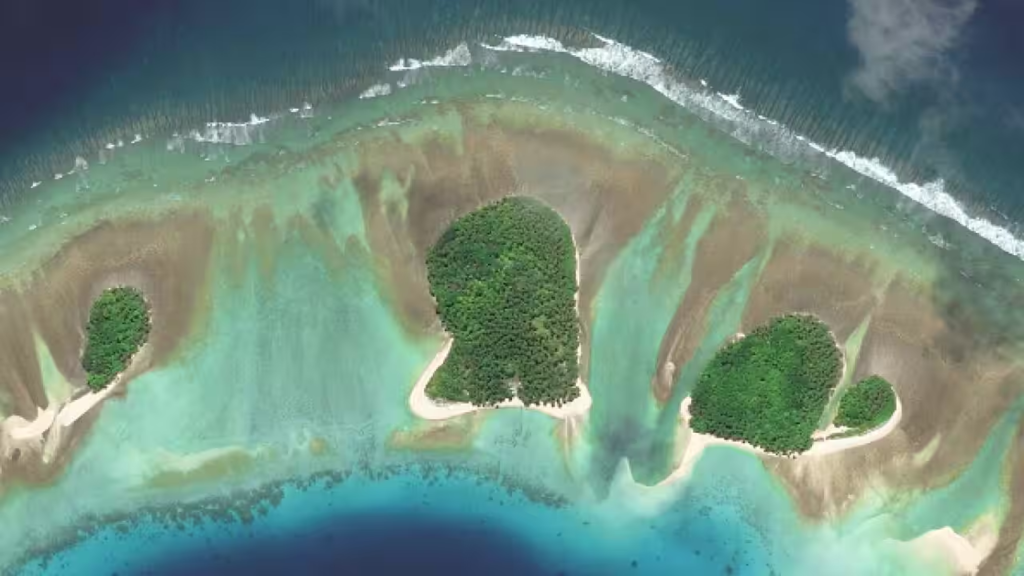
Mili Atoll is known for its stunning natural landscapes and vibrant marine life. The atoll’s lagoons and coral reefs provide excellent opportunities for snorkeling and diving. Mili also offers a glimpse into traditional Marshallese life, with local villages and cultural sites that highlight the islanders’ customs and practices. The atoll’s natural beauty and cultural significance make it a fascinating destination for visitors.
10. Likiep Atoll
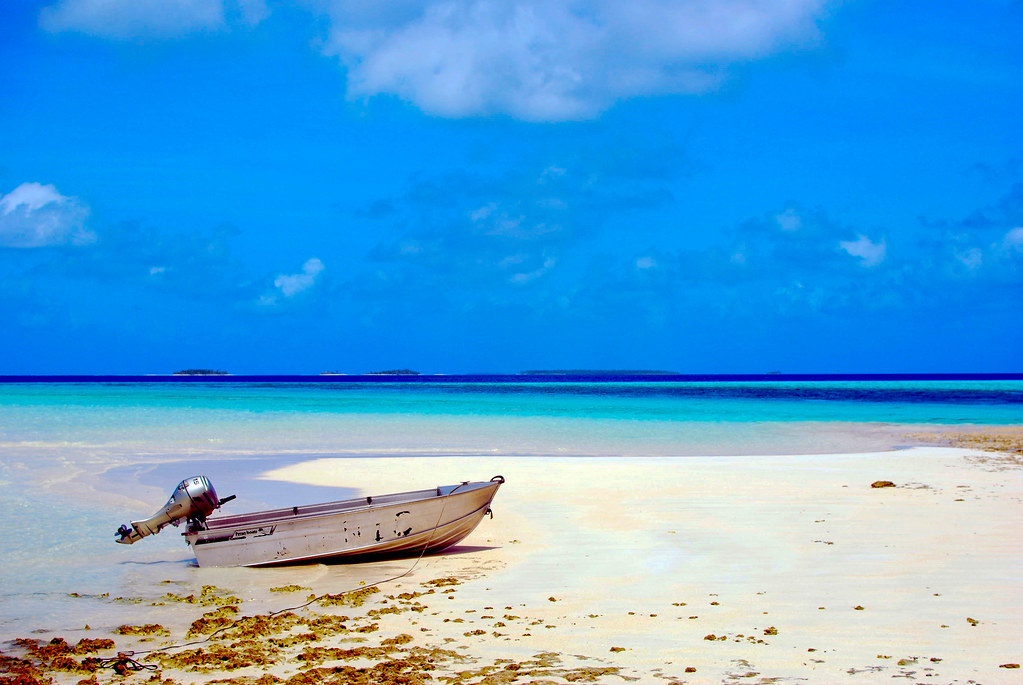
Likiep Atoll is renowned for its lush landscapes and clear waters. It offers a variety of outdoor activities, including snorkeling, diving, and exploring the atoll’s natural beauty. Likiep is also a place where visitors can experience traditional Marshallese culture, with local festivals and crafts providing insight into the islanders’ heritage. The atoll’s blend of natural and cultural attractions makes it a memorable destination.
Culture
The culture of the Marshall Islands is deeply rooted in its Polynesian heritage, with traditional practices and customs continuing to play a significant role in daily life. The Marshallese people speak Marshallese, a Micronesian language that reflects their rich cultural history and connection to the sea.
Traditional ceremonies, such as dance performances and storytelling, are integral to preserving the island’s cultural identity. These practices not only celebrate historical events but also serve as a means of passing down traditions and values to future generations.
In addition to its linguistic and ceremonial traditions, Marshallese culture is characterized by its strong sense of community and connection to the environment. The islands’ traditional navigation skills, which involve using the stars and ocean currents to guide seafaring voyages, are a testament to the Marshallese people’s deep understanding of their surroundings. Community gatherings and festivals are common, providing opportunities for social interaction and cultural expression.
Festivals
The Marshall Islands hosts several vibrant festivals throughout the year, celebrating both traditional and modern aspects of Marshallese culture. One of the most notable is the “Nitijela Day,” which commemorates the establishment of the nation’s legislative body. This festival features traditional dance performances, music, and cultural exhibitions, highlighting the island’s rich heritage. Additionally, the “Taro Festival” celebrates the importance of taro in Marshallese cuisine, with food stalls, cultural displays, and community activities showcasing the island’s culinary traditions.
Economy
The economy of the Marshall Islands relies heavily on aid and assistance from the United States, due to the Compact of Free Association, which provides financial support and assistance. The country’s economy also benefits from tourism and subsistence fishing, which play significant roles in the livelihoods of its residents. Despite its small size and limited resources, the Marshall Islands has managed to maintain a stable economy through careful management of its aid resources and development of key industries.
Cuisine
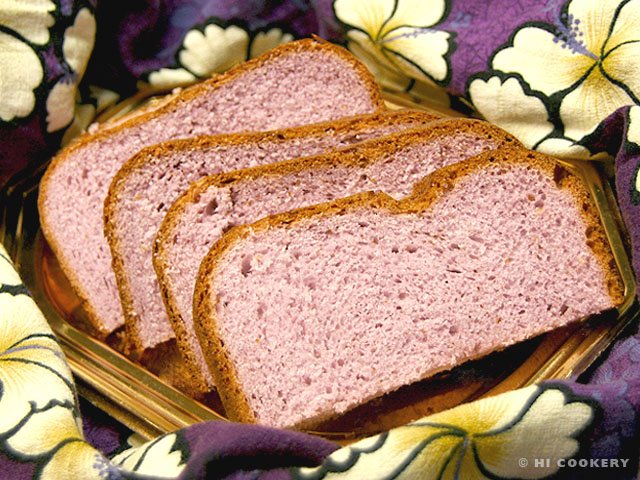
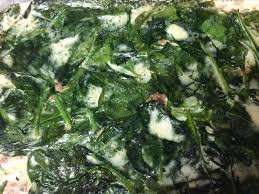
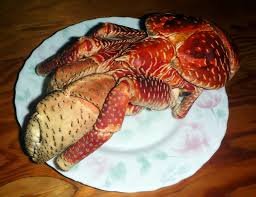
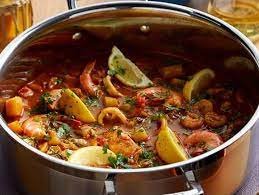
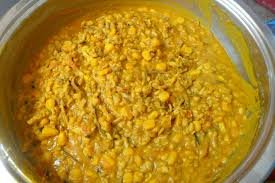
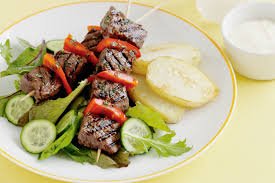
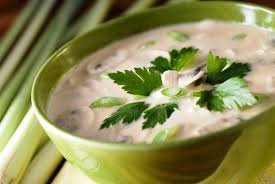
Marshallese cuisine is characterized by its use of fresh, local ingredients and traditional cooking methods. Common dishes include “yokwe” (a traditional dish made from taro), “bwaabwai” (a type of breadfruit), and “mweor” (a local fish). Coconut and seafood are staples in Marshallese meals, reflecting the islands’ abundant natural resources. The cuisine is simple yet flavorful, often prepared using traditional methods that have been passed down through generations.
Top Eight Most Famous Food
Ten Interesting Facts
- The Marshall Islands is home to one of the world’s largest coral reef systems.
- Bikini Atoll, a site of nuclear testing, is now a UNESCO World Heritage site.
- The islands use the U.S. dollar as their official currency.
- The Marshall Islands has a Compact of Free Association with the United States.
- The country’s official languages are Marshallese and English.
- The Marshall Islands is situated in the middle of the Pacific Ocean, about halfway between Hawaii and Australia.
- The islands are made up of 29 coral atolls and 5 volcanic islands.
- The Marshallese people have a rich tradition of navigation using the stars and ocean currents.
- The country has a tropical climate with consistent temperatures year-round.
- The Marshall Islands was a major site for U.S. nuclear testing in the 1940s and 1950s.
Conclusion
The Marshall Islands, with its stunning natural landscapes, rich cultural heritage, and historical significance, offers a unique and captivating experience for travelers. Whether exploring its historical sites, enjoying its pristine beaches, or immersing oneself in local traditions, the Marshall Islands provides an unparalleled glimpse into the beauty and culture of the Pacific. As a destination, it stands as a testament to the resilience and vibrancy of its people and their connection to the land and sea.