
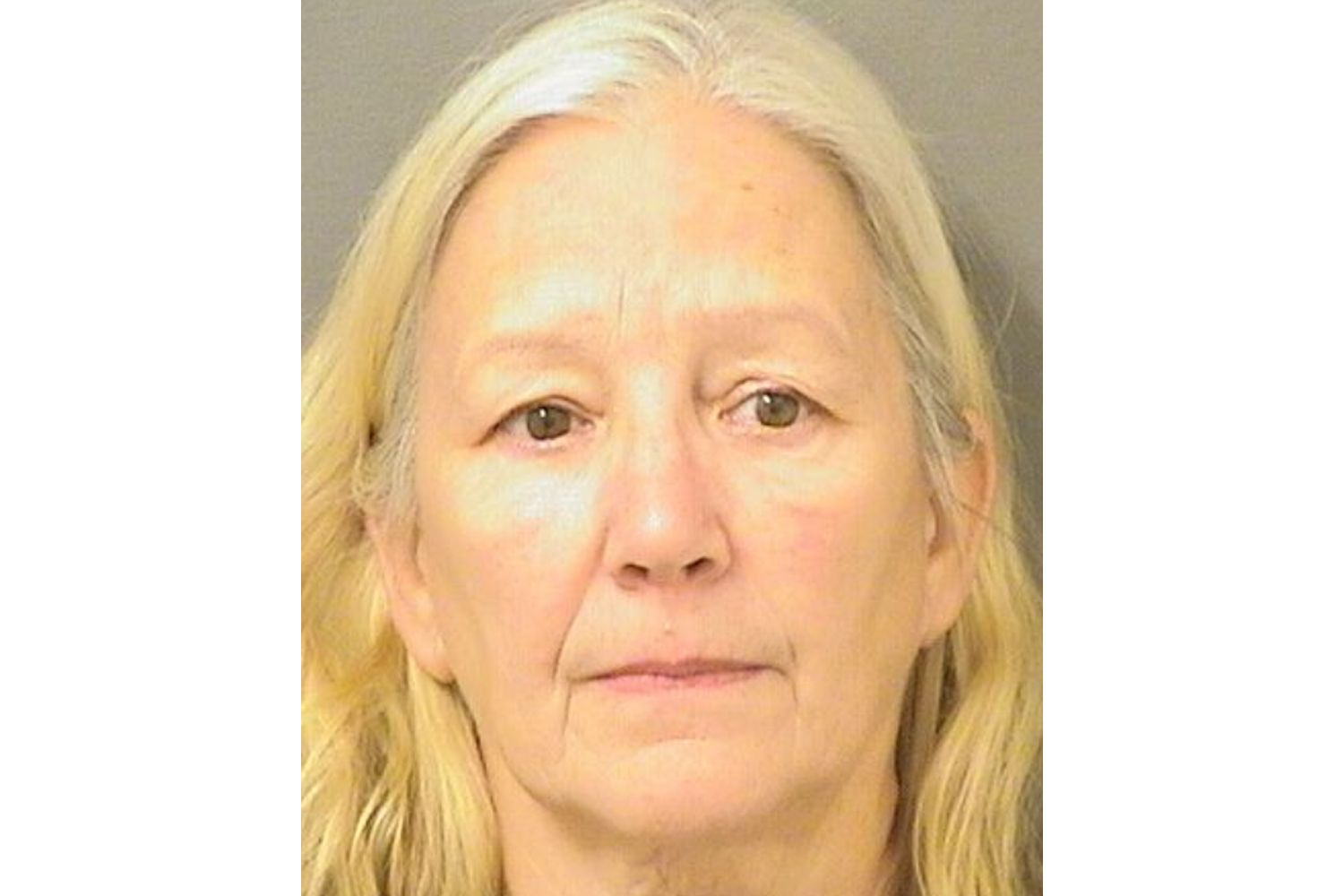
The death of 97-year-old Patricia Blake inside her Palm Beach County home has led to a first-degree murder charge against her daughter and primary caregiver, Martha Jo Blake, following an investigation that authorities say revealed clear signs of suffocation rather than natural causes. Deputies with the Palm Beach County Sheriff’s Office were initially called to the residence on Ashley Drive for what appeared to be a routine death investigation.
However, findings from the medical examiner and subsequent interviews transformed the case into a homicide inquiry that has raised complex legal and ethical questions surrounding caregiving, elder care, and the limits of assisted dying laws in the United States. Patricia Blake was found lying on her back with sheets covering her body, according to deputies. At first glance, there were no immediate indications of foul play.
Martha Jo Blake told investigators that she had last seen her mother alive around 10 p.m. the night before and described her as suffering from Parkinson’s disease and a thyroid disorder. These explanations initially aligned with the assumption of a natural death, given Patricia Blake’s advanced age and medical history. However, an autopsy later revealed injuries and physical signs that contradicted that narrative and pointed toward deliberate suffocation.
As investigators gathered evidence, details emerged suggesting that the relationship between mother and daughter had involved discussions about end-of-life decisions, including assisted suicide. Those discussions, according to court documents, were ultimately rejected by medical professionals, a refusal that prosecutors allege may have preceded the actions that led to Patricia Blake’s death. Martha Jo Blake now remains in custody at the Palm Beach County Jail as she awaits a pre-trial detention hearing.
Autopsy Findings and Evidence That Shifted the Investigation
The turning point in the case came after the medical examiner completed an autopsy on Patricia Blake. Deputies reported that the examiner identified several indicators inconsistent with death from natural causes. Among the most significant findings was the purplish discoloration of the skin, particularly around the nose, which the examiner said was consistent with an object being placed over the face. The autopsy also documented hemorrhaging in the eyes, a condition often associated with asphyxiation or suffocation.
In addition to these signs, the examiner discovered that Patricia Blake had suffered a broken neck. While details about how or when the injury occurred have not been fully disclosed, investigators noted that such trauma is not typically associated with natural death, especially in a controlled home environment. These findings collectively led the medical examiner to conclude that the death was more consistent with homicide than with age-related medical complications.
Further scrutiny followed when a deputy reviewed body camera footage taken at the scene. In that footage, the deputy observed a red mark, approximately the size of a quarter, on the side of Patricia Blake’s neck. This mark was not initially documented as part of a natural passing and added to the growing list of inconsistencies surrounding the death.
Read : 17-Year-Old Boy Charged with Murder After Stabbing Own Mother Julissa Serrano to Death
Based on these findings, deputies obtained a search warrant for the home. During the search, they encountered Martha Jo Blake in the residence along with several friends. Investigators recovered a pair of white, calf-length socks found inside a shopping bag that was itself placed within a garbage bag on the front porch. Authorities seized the socks as potential evidence, though court records have not yet specified how prosecutors believe the items were used in the alleged crime.
Read : Enchanting Escapes: Top Ten Most Beautiful Mountain Villages
The combination of autopsy results, physical markings, and recovered evidence prompted investigators to reassess Martha Jo Blake’s earlier statements. What had initially been treated as an expected death of an elderly woman was now being investigated as a deliberate act, leading deputies to conduct a more extensive interview with Patricia Blake’s daughter.
Caregiving, End-of-Life Discussions, and the Denial of Assisted Suicide
During questioning, Martha Jo Blake reportedly told deputies that she had been her mother’s primary caregiver for approximately five years. According to the criminal probable cause affidavit, she described a close relationship that included ongoing conversations about Patricia Blake’s declining health and quality of life. Around a year and a half before Patricia’s death, the two allegedly discussed the concept of “death with dignity” with a doctor in Maine.
Death with dignity laws, which allow for physician-assisted dying under specific circumstances, are only legal in a limited number of U.S. states and require strict eligibility criteria. These typically include a terminal diagnosis with a prognosis of six months or less to live, as well as mental competency and voluntary consent. Investigators stated that the Maine doctor declined to assist Patricia Blake because she did not have a terminal illness, despite her age and chronic conditions.
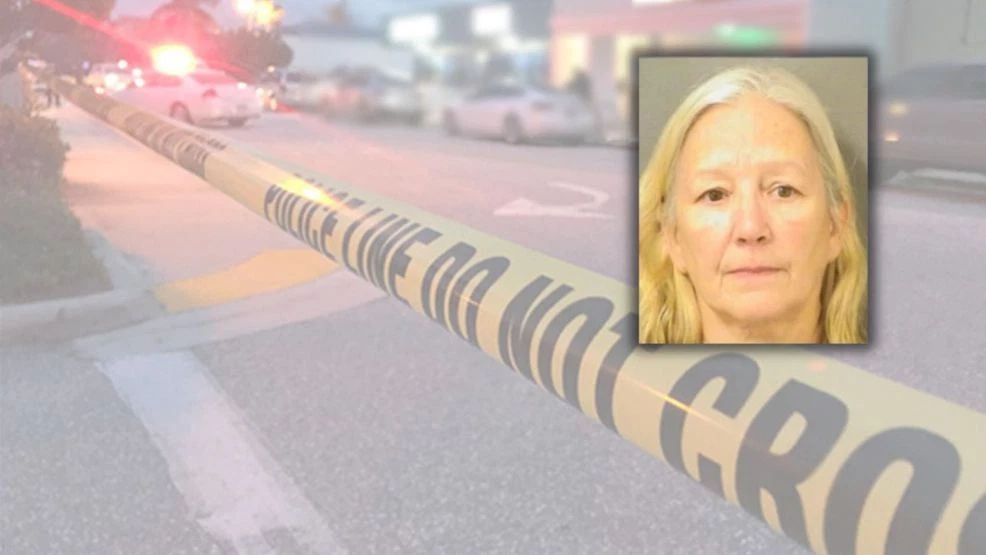
Court documents indicate that after the refusal, Martha Jo Blake and her mother discussed other methods of ending Patricia’s life, including the use of pills. However, according to the affidavit, they abandoned that idea because they did not have access to medication that would be lethal. Authorities have not released further details about these conversations, but prosecutors appear to be framing them as evidence of intent and premeditation.
The affidavit describes Martha Jo Blake’s statements during the interview as a confession, though the exact language she used has not been fully made public. Deputies characterized the confession as “bizarre,” suggesting that her account included admissions or explanations that directly implicated her in her mother’s death. Based on the totality of the evidence, investigators concluded there was probable cause to charge her with first-degree murder.
Legal experts note that cases involving caregiving and end-of-life decisions often involve complex emotional and psychological factors. However, under Florida law, assisted suicide is illegal, and intentionally causing another person’s death, regardless of motive, can constitute homicide. Prosecutors will likely argue that any frustration or desperation stemming from the denial of assisted suicide does not provide legal justification for suffocation or other lethal actions.
Legal Proceedings and Broader Implications for Elder Care
Martha Jo Blake has been booked into the Palm Beach County Jail on a charge of first-degree murder, one of the most serious offenses under Florida law. She is being held without release pending a pre-trial detention hearing, where a judge will determine whether she can be granted bond. If convicted, she could face life imprisonment.
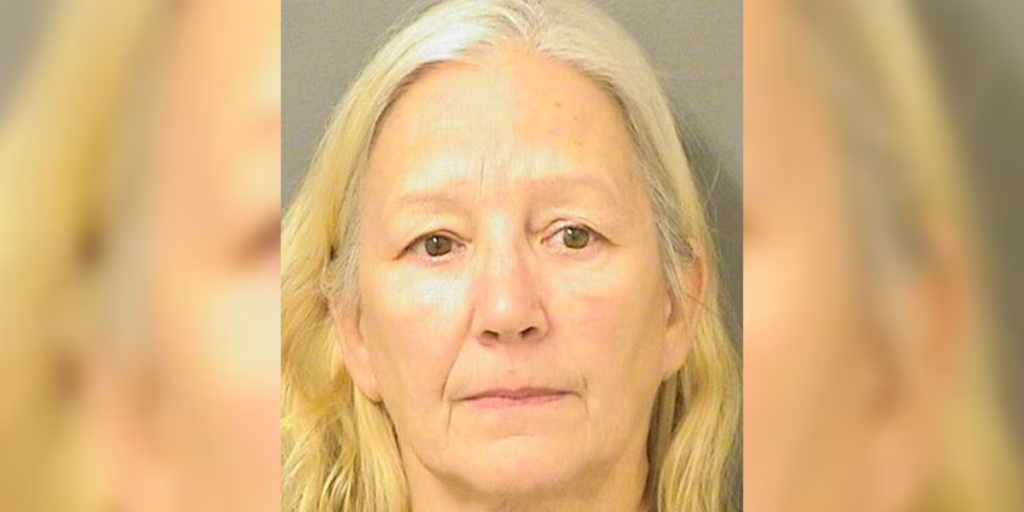
The case is expected to draw close scrutiny as it moves through the court system, particularly given the intersection of elder care, mental health, and end-of-life autonomy. Prosecutors will need to prove not only that Martha Jo Blake caused her mother’s death, but that she did so with premeditation, a key element of first-degree murder. The defense, meanwhile, may attempt to argue diminished capacity, caregiver burnout, or a belief that she was acting in her mother’s best interests, though such arguments have limited legal standing in Florida.
Advocates for elder rights have emphasized the importance of oversight and support for long-term caregivers, noting that isolation and stress can escalate into tragic outcomes. At the same time, law enforcement officials have stressed that advanced age and illness do not diminish a person’s legal protections against violence or unlawful killing.
The case also highlights ongoing national debates over assisted dying legislation. While some states have expanded access to physician-assisted death under tightly regulated conditions, others, including Florida, continue to prohibit it entirely. The denial of assisted suicide in this instance is likely to be a focal point of public discussion, though legal authorities have made clear that such denial does not excuse or mitigate criminal responsibility.
As the investigation continues and the case proceeds toward trial, additional details may emerge regarding the final hours of Patricia Blake’s life, the nature of the alleged confession, and the forensic evidence supporting the charges. For now, the death of a 97-year-old woman who was believed to have passed away naturally has become the center of a high-profile homicide case, underscoring the legal and ethical boundaries that govern end-of-life decisions in the United States.
12345jili is a fun little brand. The variety of games keeps me coming back. Fairly new, but definitely shows promise. Check all the action out here: 12345jili