
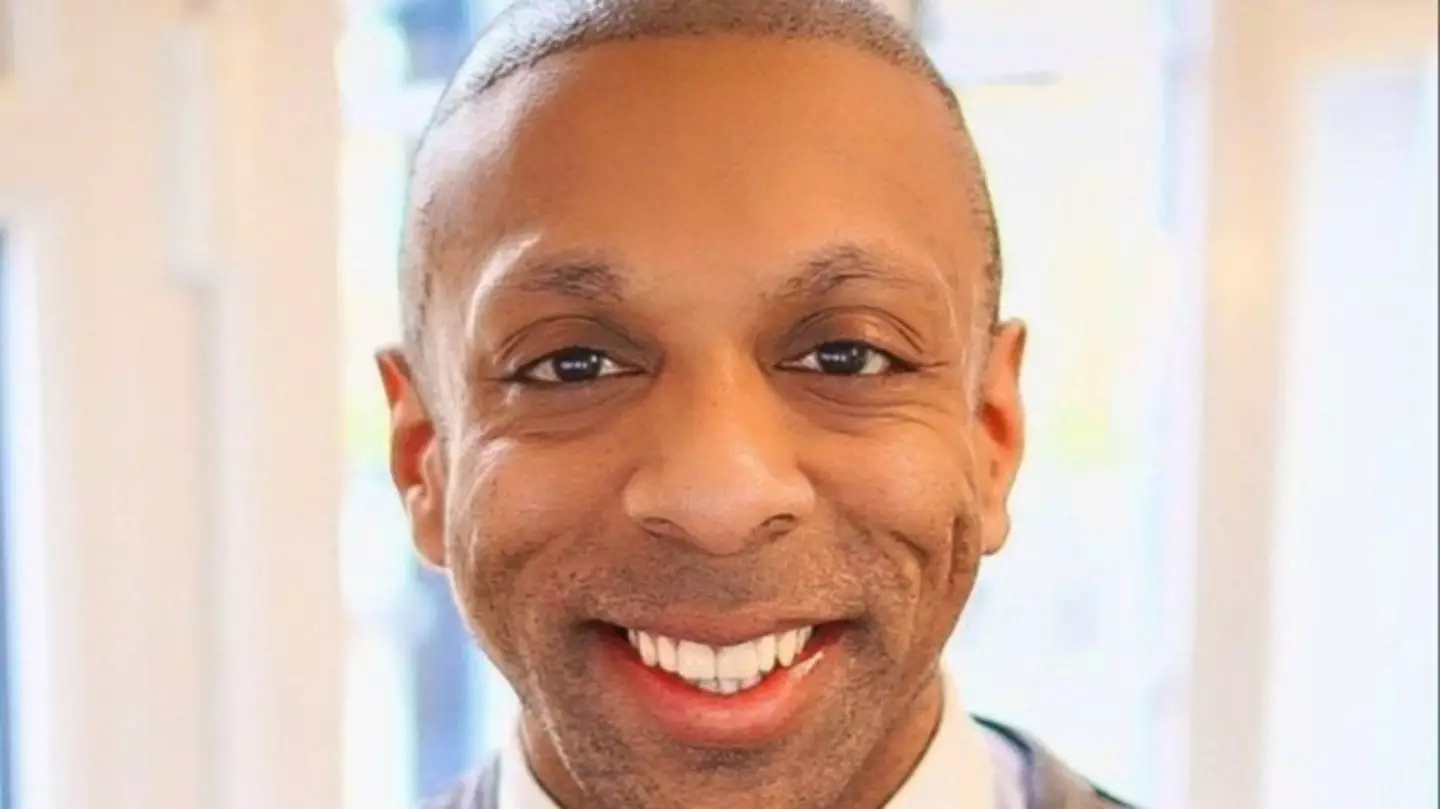
The tragic death of 38-year-old British citizen Martyn Latchman in Istanbul has once again drawn global attention to the booming medical tourism industry in Turkey. Known for its reputation as a hub for affordable cosmetic and aesthetic procedures, Turkey attracts thousands of patients from around the world each year.
But for Latchman, what was supposed to be a routine second hair transplant surgery ended in a shocking and unexplained tragedy. His sudden passing has sparked questions about patient safety, oversight, and transparency in internationally recognized cosmetic clinics.
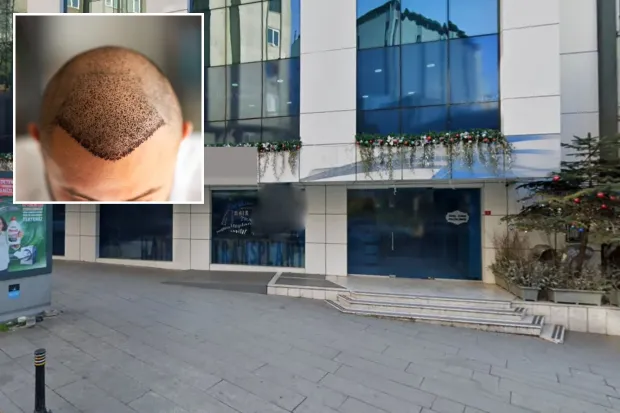
Latchman, who had previously undergone a successful hair transplant at the same facility, traveled to Istanbul in late July for a second session at the Dr. Cinik clinic, a well-known establishment based in the city’s Besiktas district.
The clinic has previously been visited by a number of high-profile clients, including athletes and celebrities, further bolstering its image as a top-tier destination for aesthetic care. However, what unfolded during the preparatory stage of Latchman’s procedure has left his family, friends, and the international medical community searching for answers.
An Unexpected Medical Emergency Before the Procedure Began
Martyn Latchman’s journey to Istanbul appeared similar to that of countless others who seek affordable and professional cosmetic procedures in Turkey. As reported by The Independent and The Guardian, Latchman began to feel unwell just as medical staff were preparing him for surgery at the Dr. Cinik clinic. The clinic later confirmed in a statement that the actual hair transplant surgery had not yet commenced when Latchman’s condition suddenly deteriorated.
What caused this rapid decline remains a mystery. According to the clinic’s official communication, Latchman “unexpectedly became unwell for reasons that are still unknown.” He was immediately transferred to a local hospital’s intensive care unit, where medical staff attempted to stabilize him. Despite efforts to save his life, he succumbed to the medical crisis and was declared dead shortly afterward.
The incident sent shockwaves through both his personal circle and the larger community of British nationals traveling abroad for healthcare. Latchman’s body was subsequently returned to the United Kingdom, where his loved ones are now awaiting the results of an autopsy.
Read : List of Countries with the Most Bald Men in 2024: Spain top the list
Turkish health authorities have confirmed that a judicial investigation is underway to determine the exact cause of death. All relevant medical documentation has reportedly been handed over to the authorities, but the clinic emphasized that no further information would be disclosed until legal proceedings are completed, citing respect for the family’s privacy.
A Beloved Educator and Family Man Remembered
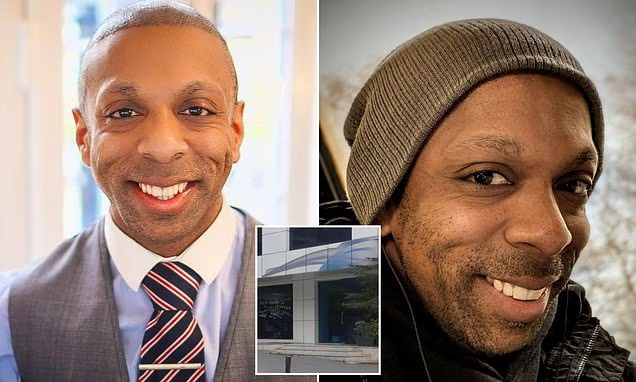
The news of Martyn Latchman’s death came as a devastating blow to his friends, family, and former colleagues. A man described by many as inspiring, hardworking, and kind, Latchman had made a notable mark in his local community in Bedford, England.
For more than 16 years, he served as a dedicated headteacher before changing his career path and entering the defense contracting industry in the past year. Those who knew him say he was deeply committed to education and played a crucial role in shaping the lives of many young students.
His younger brother, Yashley Latchman, took to social media shortly after the news broke, posting a heartfelt tribute on Facebook. “Rest in peace, my brother,” he wrote, accompanying the message with a touching photo of the two working out together at a gym. “You will forever be my source of inspiration and motivation. Thanks for everything. Will miss you loads.” Other friends and loved ones shared similar sentiments, expressing their grief over losing someone who had so much more to contribute in life.
Latchman’s sudden passing has raised awareness about the need for proper medical vetting, especially when patients are considering international travel for elective procedures. While he had previously undergone a successful transplant at the same clinic, the events surrounding his second attempt reveal how unpredictable outcomes can still occur, even in seemingly routine circumstances.
Dr. Cinik Clinic and Turkey’s Medical Tourism Boom Under Scrutiny
The Dr. Cinik clinic, where the incident took place, is no stranger to international attention. Located in one of Istanbul’s most prominent neighborhoods, the clinic markets itself as a world-class institution specializing in hair transplantation and cosmetic procedures. Its list of celebrity clients includes some of the most recognizable names in international football, such as Rio Ferdinand, Ivan Rakitić, and Rivaldo. This association with elite athletes and influencers has helped the clinic build a strong brand image among global consumers.
Its website boasts more than 50,000 successful hair transplants and extensive experience in the field. But the clinic’s reputation, like many others in the industry, now faces scrutiny in the wake of Martyn Latchman’s death. The Turkish Healthcare Travel Council notes that over one million people visit the country annually for cosmetic procedures, with hair transplants among the most popular services sought by foreigners. The combination of low prices, skilled professionals, and attractive packages has made Turkey a go-to destination for many.
However, this incident raises critical questions about the regulatory framework surrounding medical tourism in Turkey. With such high volumes of international patients, oversight becomes increasingly vital. While complications in surgery can occur anywhere, the fact that Latchman’s medical issue arose before the surgery even began has left many puzzled. Was it an allergic reaction to anesthesia, a pre-existing condition that went undetected, or a lapse in the clinic’s pre-operative protocols? Until the autopsy results and official findings are made public, speculation will persist.
There is also a broader conversation to be had about the safety of medical tourism in general. Clinics that cater to foreign clients often market themselves aggressively online, sometimes offering luxurious travel packages and VIP experiences that distract from the more serious aspects of patient safety and medical preparation. For patients, especially those with underlying health concerns or complicated medical histories, the risks may not always be apparent until it’s too late.
This tragedy may also spur governmental bodies, both in the U.K. and Turkey, to reassess how they inform citizens about the potential dangers associated with overseas medical procedures. While the British Foreign Office has confirmed it is offering consular support to Latchman’s family and is liaising with Turkish authorities, a broader advisory on medical travel could help prevent similar tragedies in the future.
Martyn Latchman’s death is a harrowing reminder that even in the most modern, well-publicized clinics, medical procedures—no matter how routine—carry inherent risks. His life, which had been marked by leadership, compassion, and service, ended in a way no one could have anticipated. As investigations continue in Turkey and in the U.K., one can only hope that clarity will emerge about what went wrong.
In the meantime, the spotlight shines brightly on the global cosmetic surgery industry, especially in hotspots like Istanbul, where patient volume, international reputation, and affordability intersect in a rapidly growing market. Martyn’s story, while tragic, may prompt both prospective patients and medical institutions to reevaluate the balance between ambition and safety in the world of medical tourism.