

The fight for better security measures at public venues has taken a significant step forward with the approval of the Terrorism (Protection of Premises) Bill, widely known as Martyn’s Law.
Named in memory of Martyn Hett, one of the 22 victims of the Manchester Arena bombing in 2017, the legislation aims to reduce the risk of terror attacks at event venues and ensure the safety of the public.
This landmark bill is the result of tireless campaigning by Figen Murray, Martyn’s mother, who turned her personal tragedy into a movement for greater security protections.
A Mother’s Fight for Change
Figen Murray’s journey from grieving mother to influential campaigner has been nothing short of remarkable. After losing her son Martyn Hett in the devastating Manchester Arena attack, she committed herself to ensuring that other families would never have to endure the same heartbreak.
Her campaign gained widespread support, leading to the development of Martyn’s Law, a bill designed to strengthen counter-terrorism preparedness at public venues across the UK.
The Manchester Arena bombing on May 22, 2017, remains one of the deadliest terrorist attacks in the UK in recent history. It occurred at the end of an Ariana Grande concert, where thousands of fans, many of them young, were present.
The suicide bomber not only took 22 lives but also left over a thousand people injured. In the aftermath of the attack, concerns were raised about security measures at large-scale events and the need for better preparedness against such threats.
Determined to turn her pain into purpose, Figen Murray began advocating for legal changes that would require venues to implement better safety measures. Her efforts were met with overwhelming support from the public, security experts, and politicians, ultimately leading to the drafting of the Terrorism (Protection of Premises) Bill.
The Impact of Martyn’s Law
Martyn’s Law introduces significant new requirements for public venues, aiming to enhance security protocols and preparedness in the event of a terrorist attack. The legislation is structured to ensure that venues of different sizes adopt measures appropriate to their capacity and risk level.
For smaller venues that expect 200 or more people, the law mandates the development of basic security plans, including evacuation strategies and staff training. These measures are intended to ensure that employees and attendees know how to respond in case of an emergency, potentially saving lives.

Larger venues expecting 800 or more people must go a step further by implementing more rigorous security measures. These include detailed risk assessments, strategies to reduce vulnerability to attacks, and regular drills to ensure readiness. By imposing these requirements, the law seeks to create a proactive approach to security, rather than a reactive one.
Read : Nepal’s Only Billionaire Binod Chaudhary Who Makes Wai Wai Noodle Probed In Land Grab Case
The legislation has received broad support from security professionals, law enforcement agencies, and the general public. It addresses a longstanding gap in security regulations, ensuring that all venues take responsibility for the safety of their patrons. While some critics have raised concerns about the potential costs for smaller businesses, the overarching consensus is that the protection of human lives must take precedence over financial considerations.
A Historic Step Towards Public Safety
The approval of Martyn’s Law represents a historic moment in the UK’s fight against terrorism. The bill’s passage through Parliament was met with widespread acclaim, with Home Office minister Dan Jarvis emphasizing the importance of the legislation. He acknowledged Figen Murray’s extraordinary dedication to the cause, calling her campaign both inspiring and phenomenal.
During the final discussions in the House of Commons, Jarvis paid tribute to Figen, who watched from the public gallery, stating, “To have lost her son, Martyn Hett, in the Manchester Arena attack in May of 2017, and to have yet still found the strength to drive this campaign forward is both inspiring and phenomenal.”
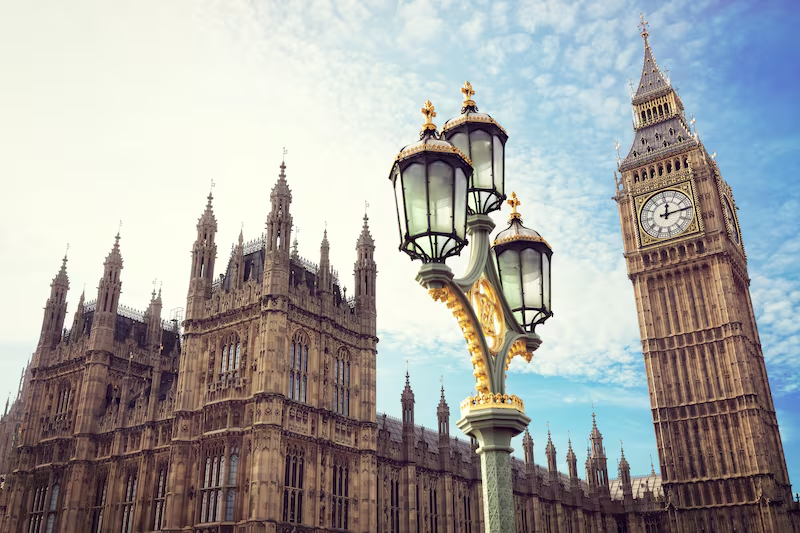
He further added, “Figen had previously said, ‘It’s time to get this done,’ and I am very proud to say that this Government has done just that.” The bill has now been sent for royal assent, the final step before it officially becomes law.
Once enacted, it will compel venues across the UK to prioritize security, ensuring that proper measures are in place to protect the public from potential threats. This development marks a significant shift in how security is approached at public gatherings, establishing a legal framework that could serve as a model for other countries facing similar threats.
Beyond the UK, Martyn’s Law is setting a precedent for global discussions on public safety. Governments worldwide are observing the impact of this legislation and considering how similar measures could be implemented in their own security frameworks. The bill’s success demonstrates the power of advocacy and the difference that determined individuals can make in shaping public policy.
The Lasting Legacy of Martyn’s Law
Martyn’s Law is more than just legislation—it is a lasting tribute to those who lost their lives in the Manchester Arena attack. It embodies the resilience of a mother who refused to let her son’s death be in vain and serves as a beacon of hope for future generations.

The introduction of this law sends a clear message: the safety of the public is a fundamental priority. No longer can venues overlook the importance of preparedness, nor can they dismiss the potential risks of terrorism. Through mandatory security plans, risk assessments, and enhanced training, Martyn’s Law ensures that every possible precaution is taken to protect lives.
For Figen Murray, the journey does not end here. She continues to advocate for better security measures, awareness campaigns, and global cooperation in counter-terrorism efforts. Her work serves as a reminder that change is possible, even in the face of unimaginable loss.
As the UK prepares to implement Martyn’s Law, the hope is that other countries will follow suit, recognizing the importance of proactive security measures. By learning from past tragedies, societies can take meaningful steps towards preventing future attacks and safeguarding public spaces.
Martyn’s Law stands as a powerful testament to resilience, determination, and the unwavering pursuit of justice. It ensures that the memory of those lost in the Manchester Arena attack lives on, not only in the hearts of their loved ones but also in the very laws designed to prevent such tragedies in the future.