

A 17th-century Mary Haddock Tomb Linked to Tintin’s Captain Haddock has been recognized as a significant historic monument, shedding light on maritime history and gender representation of the era.
The Adventures of Tintin, the legendary comic series by Belgian cartoonist Georges Remi (Hergé), has captivated readers for decades with its tales of adventure and intrigue.
Among its iconic characters is Captain Haddock, a temperamental yet endearing seafarer renowned for his colorful catchphrases like “blue blistering barnacles.” While Captain Haddock exists firmly in the realm of fiction, recent discoveries in the United Kingdom reveal intriguing historical connections to this beloved character.
A 17th-century tomb belonging to Mary Haddock, mother of Admiral Richard Haddock—one of the inspirations for Captain Haddock—has earned the status of a protected historic monument in the UK.
Recognized as part of England’s heritage, the tomb highlights not only its ties to maritime history but also its unique role as one of the few monuments from that era dedicated to a woman.
The Haddock Legacy and Tintin’s Captain Haddock
The Haddock family’s seafaring legacy plays a significant role in the historical and fictional narratives surrounding the Tintin comics. Mary Haddock, whose tomb was constructed in 1688, was married into a family of accomplished mariners.
Her son, Admiral Richard Haddock, was a distinguished naval officer whose life and career contributed to the inspiration for Captain Haddock’s character in Tintin’s stories.
Read : Even if Ukraine loses Pokrovsk, Russia to take years to capture entire Donetsk: US defence official
Captain Haddock, depicted as a loyal friend of Tintin and a deeply human character with flaws and strengths, reflects aspects of the seafaring Haddock family.
Read : Unheard Tales of the Amalfi Coast: Secrets of Italy’s Enchanted Shoreline
His fiery temper, good heart, and enduring resilience echo the lives of real-life mariners like Richard Haddock. The recognition of Mary Haddock’s tomb not only highlights this connection but also underscores the Haddocks’ influence on maritime history and culture.
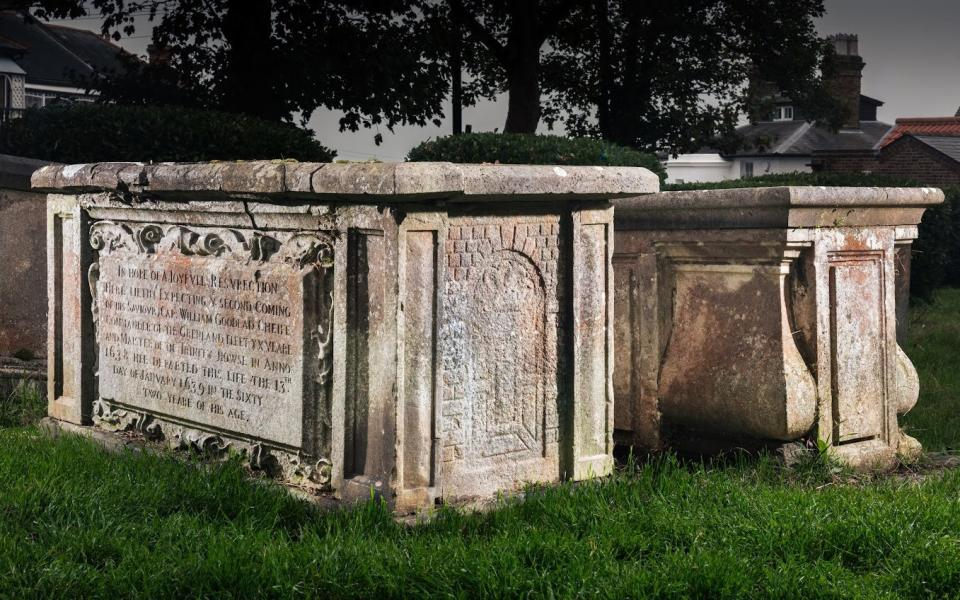
Mary’s tomb is particularly significant as it bridges the historical with the fictional, linking a tangible piece of history to one of the 20th century’s most enduring comic series. The Haddock family’s prominence in maritime ventures, including the creation of British whaling routes, serves as a testament to their contributions to England’s naval legacy.
The Historical Significance of Mary Haddock Tomb
The tomb of Mary Haddock stands out as a unique relic from an era when women were rarely recognized in public monuments.
Built in 1688, the tomb honors Mary’s place within the Haddock family and serves as a rare testament to the recognition of women during the 17th century. At a time when societal norms limited women’s rights and public acknowledgment, such a monument holds immense historical and cultural value.
Recently included in a list of “remarkable and unusual historic buildings and places” by Historic England, the tomb has been classified as Grade II.
This recognition places it under legal protection to ensure its preservation for future generations. Heritage experts emphasize that the tomb’s significance extends beyond its age and architectural features—it represents a historical acknowledgment of Mary Haddock’s life and contributions during a patriarchal era.
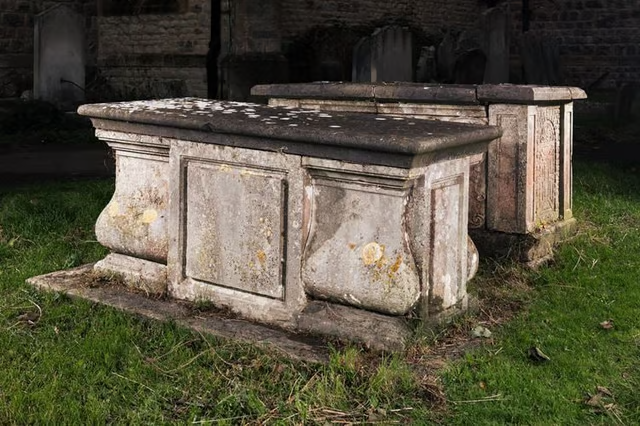
The Haddocks’ maritime achievements further amplify the importance of Mary’s tomb. Her husband and son’s exploits as seafarers left an indelible mark on British maritime history. Admiral Richard Haddock, in particular, played a prominent role in England’s naval endeavors, further cementing the family’s legacy.
Other Unique Additions to Historic England’s List
Mary Haddock’s tomb is not the only fascinating relic to make its way onto Historic England’s list of protected sites. Two other 17th-century stone chest tombs in Leigh-on-Sea’s St. Clement’s churchyard were also included. Each tomb has its own story, adding depth to the historical tapestry of the region.
One of these tombs recounts the exploits of Mary’s father, William Goodlad, a whaler whose pioneering ventures helped establish British maritime routes. Goodlad was celebrated for leading the first British whaling expedition to Norway, earning recognition as a national hero in his time.
Another tomb in the churchyard is that of Mary Ellis, who reportedly lived to the age of 119. Built in 1609, the tomb’s inscription praises her courage and resilience, marking her as an extraordinary figure of her time. Like Mary Haddock’s tomb, these monuments serve as poignant reminders of individual lives that shaped the course of history.

Beyond the churchyard, an unusual addition to the list is a brutalist concrete Baptist church in Bristol, dubbed the “church above the shops.” This unique structure, which incorporates a Tesco supermarket on its ground floor, highlights the evolving architectural trends and urban planning of the mid-20th century.
Preserving History and Celebrating Heritage
The recognition of Mary Haddock’s tomb as a historic site underscores the importance of preserving tangible links to the past. Its connection to Tintin’s Captain Haddock adds a layer of intrigue, bridging the worlds of history and fiction.
At the same time, the tomb’s status as one of the few monuments from the 17th century honoring a woman highlights the evolving appreciation for gender representation in historical narratives.
As part of England’s heritage, the tomb serves as a testament to the enduring significance of individual lives and their contributions to society.
Whether through the Haddocks’ maritime legacy or their fictional counterpart’s adventures, this historic site invites reflection on the stories that shape our understanding of the past and inspire future generations.