
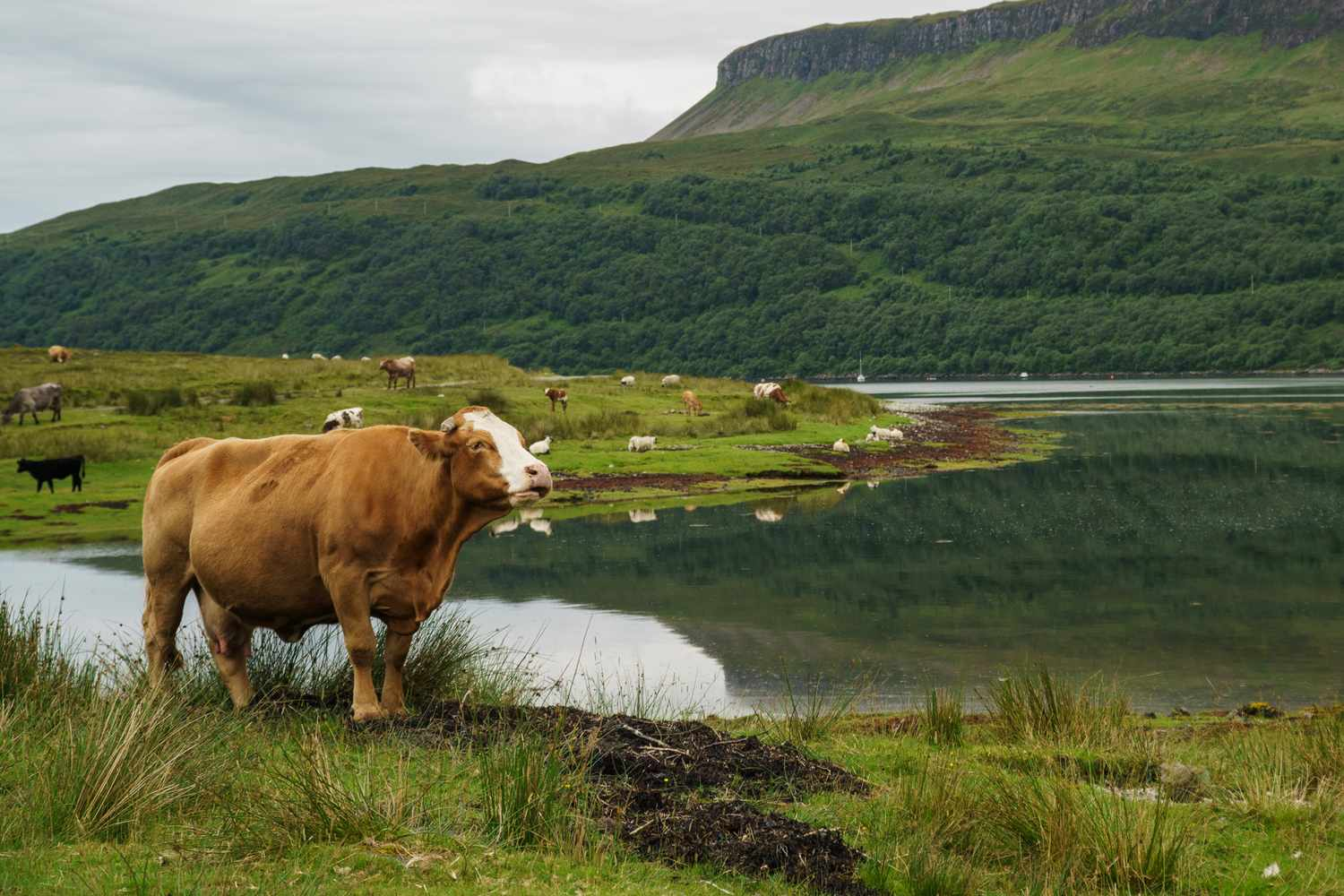
A routine hiking trip in the Scottish Highlands turned into a life-threatening ordeal for Mary-Jane Parker, a 61-year-old woman from Scotland, who survived a violent encounter with a herd of cattle by remaining motionless for nearly an hour while severely injured. The incident, which occurred in August near Newtonmore, left Parker with catastrophic injuries including 10 broken ribs, bruised lungs, a broken sternum, and a devastating leg wound. Her survival depended on a series of split-second decisions, the intervention of fellow hikers, and a rapid emergency response involving an air ambulance.
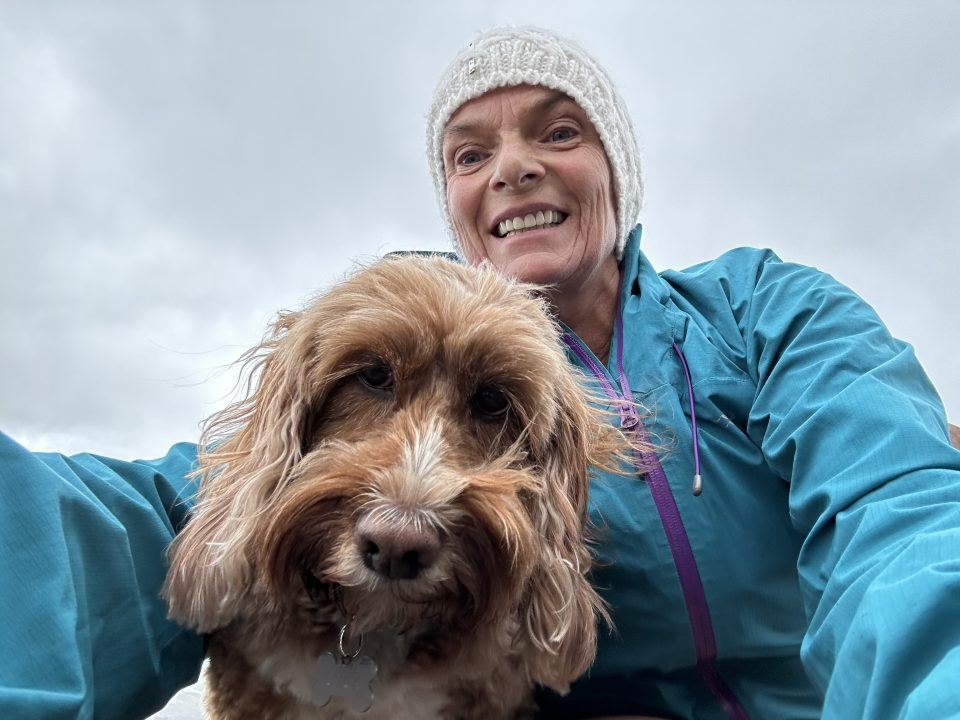
Mary-Jane Parker had been walking with her dog, Lola, through open Highland terrain when she unexpectedly came face to face with a herd of cows concealed behind a raised bank of ground. Within moments, the situation escalated into a terrifying and prolonged attack that could easily have been fatal. Her account, shared with the BBC and STV News, provides a stark reminder of the dangers that can arise in rural landscapes, even during familiar outdoor activities.
A Sudden Encounter Turns Violent
Mary-Jane Parker and her dog were hiking in the countryside near Newtonmore, an area known for its rugged beauty and open grazing land. According to Parker, the herd of cattle was hidden from view behind a natural rise in the terrain. As she walked around the mound, she found herself only a few feet away from the animals, with no time or space to retreat.
Almost immediately, the behavior of the cattle changed. One cow lowered its head and began thumping the ground, a recognized sign of agitation. Mary-Jane Parker realized she was in danger but found herself unable to escape. The cows quickly surrounded her, cutting off any clear route away from them. Her dog, Lola, reacted instinctively, panicking and slipping out of her collar before running away from the scene.
Mary-Jane Parker was then caught between two cows as the herd surged forward. She described being swept off her feet and carried between the animals as they charged, unable to regain control or protect herself. During the chaos, her backpack strap became caught on the leg of one cow, causing her to be dragged across the ground before being thrown violently aside.
The attack did not end there. Mary-Jane Parker recalled being tossed into the air and slammed back onto the ground as the cattle remained close by. At this point, she believed she was facing imminent death. Immobilized, injured, and surrounded by animals weighing several hundred kilograms each, she understood that even an accidental step by one of the cows could be fatal.
Read : British Farmer’s Rolex Watch Eaten by Cow in 1970 Recovered After 50 Years
Despite the severity of her situation, Mary-Jane Parker remained conscious and aware of her surroundings. She noticed her mobile phone lying approximately 25 feet away but was physically unable to reach it. The inability to access her phone intensified her fear, as she lay exposed on the ground with the cattle still nearby.
Playing Dead to Stay Alive
With no immediate means of escape and the cattle continuing to hover around her, Mary-Jane Parker made a crucial decision. Fearing that any movement might provoke another charge, she decided to remain completely still and pretend to be dead. She later described this choice as instinctive, driven by the belief that movement could trigger further aggression.
Read : Beverley Chapman Fined After Her Cows Attack Walkers on South West Coast Path
For approximately 45 minutes, Parker lay motionless on the ground, suppressing pain and fear while remaining acutely aware of the animals around her. During this time, the cows did not immediately disperse. She reported feeling one of the animals sniffing near her head, another licking her bleeding wounds, and a third pawing at her foot. The proximity of the cattle prolonged the danger and added to the psychological trauma of the experience.
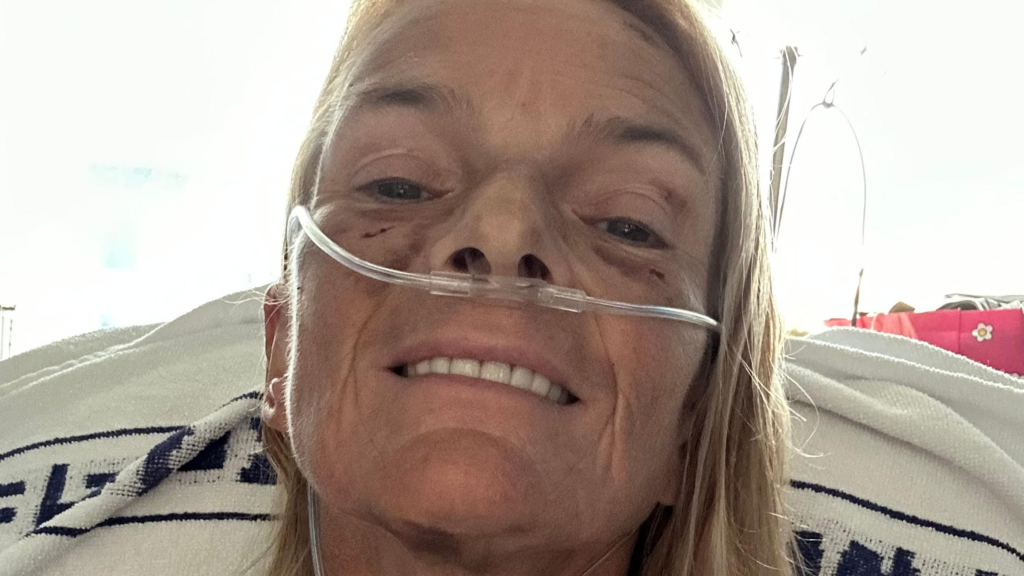
It was during this period that Parker realized the extent of one of her most serious injuries. Her left calf muscle had been ripped open from knee to ankle, leaving the muscle exposed. Despite the pain and shock, she attempted to protect the wound by positioning her other leg over it, minimizing further damage.
Throughout the ordeal, Parker focused on staying conscious. She repeatedly told herself to keep breathing and not to fall asleep, aware that losing consciousness could reduce her chances of survival. She also activated an SOS alert on her Garmin tracking device, which was still accessible in her backpack. This alert ultimately played a critical role in bringing emergency responders to her location.
Her decision to remain still proved effective. Eventually, other hikers in the area noticed the situation and intervened, chasing the cattle away. They quickly approached Parker, confirmed that her dog had survived, and stayed with her until help arrived. Their actions marked a turning point in what had been a prolonged and precarious wait for rescue.
Rescue, Treatment, and Recovery
Emergency services responded swiftly to the SOS alert, with police and paramedics reaching Parker within minutes of the cattle being driven off. Due to the remote location and the severity of her injuries, responders determined that transporting her by ground ambulance would not be fast enough to provide the care she urgently needed. A helicopter from Scotland’s Charity Air Ambulance was dispatched to the scene.
Hearing the aircraft land nearby gave Parker a renewed sense of hope after nearly an hour of uncertainty and fear. She was airlifted to Aberdeen Royal Infirmary, where she underwent immediate medical assessment and surgery. Doctors identified extensive injuries. Parker had sustained 10 broken ribs, a broken sternum, a broken right hand, significant trauma to her leg, bruised lungs, blood in the chest wall, and multiple bruises to her head, face, and body.
The combination of chest injuries and lung bruising posed a serious risk to her breathing, while the leg wound required surgical intervention and later skin grafts. She described the pain from her injuries as overwhelming, noting that it was unlike anything she had ever experienced. Over the following days, Parker underwent multiple surgical procedures as part of her treatment. Despite the seriousness of her condition, she was discharged from hospital 10 days after the incident, continuing her recovery outside the acute care setting.
Parker has since expressed deep gratitude for the hikers who intervened, the emergency responders who acted quickly, and the medical staff who treated her. She has also reflected on the narrow margin between survival and tragedy during the attack. While her physical recovery continues, the experience has left a lasting impression, underscoring both the unpredictability of encounters with livestock and the importance of emergency preparedness when venturing into rural environments.
The incident adds to a growing number of reported cattle-related injuries in the UK countryside, particularly during hiking season when walkers may unknowingly pass through grazing areas. Parker’s survival story stands as a detailed account of how awareness, instinct, and timely rescue can converge in extreme circumstances, allowing life to continue after a moment of profound danger.
Just played a few rounds on plataformawin656. Payouts are pretty fast, which is always a good sign. Games loaded quickly, had no issues. Give it a try at: plataformawin656, you might get hooked!
**mitolyn official**
Mitolyn is a carefully developed, plant-based formula created to help support metabolic efficiency and encourage healthy, lasting weight management.