
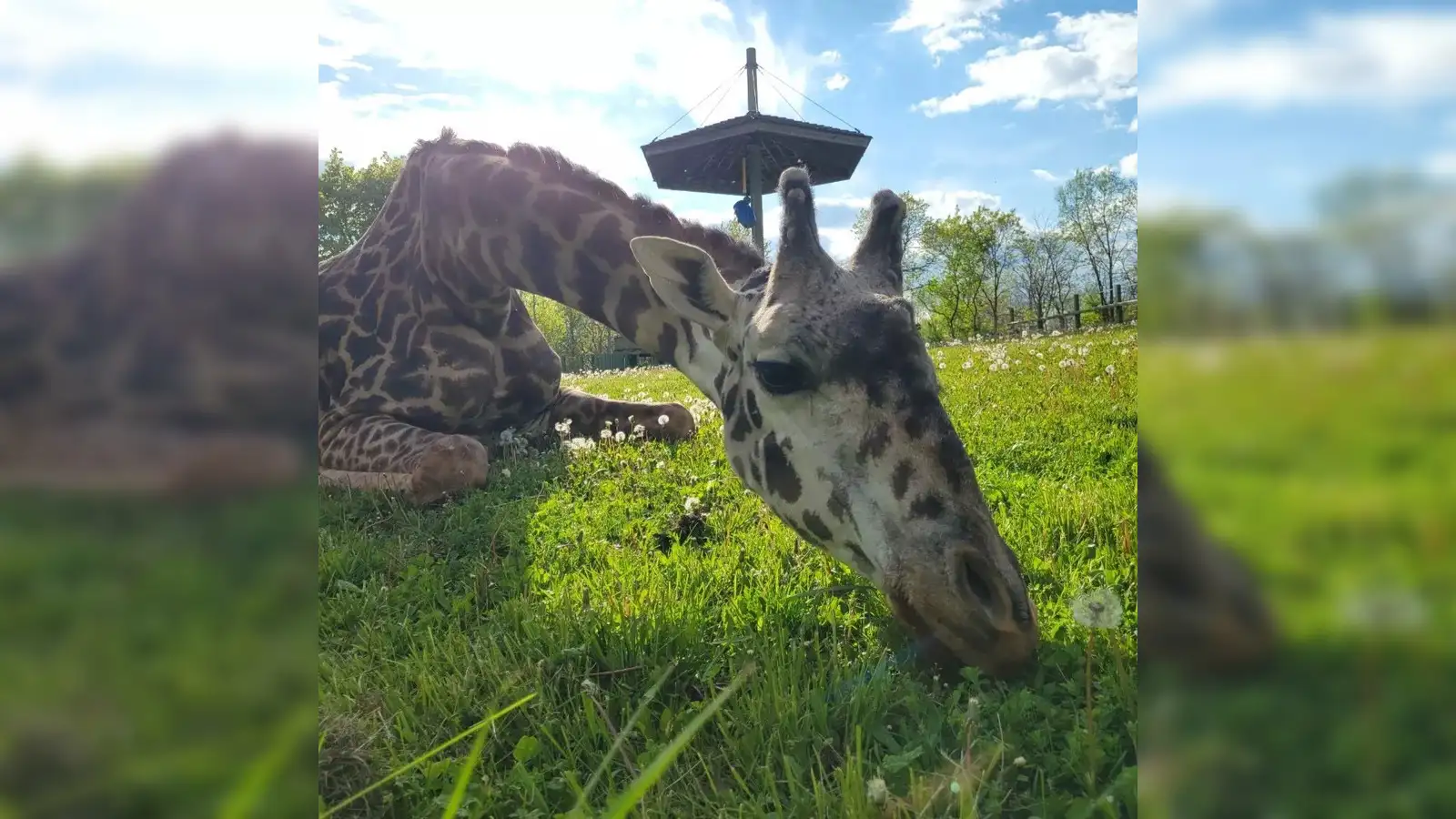
The new year began on a somber note for wildlife conservationists and animal lovers after the sudden death of Kiko, a 13-year-old male Masai giraffe, at the Toronto Zoo in Canada. The endangered giraffe died following a tragic accident inside his own zoo habitat, an incident that has prompted widespread grief and raised renewed attention on the challenges of caring for large, vulnerable species in captivity.
Kiko was not only a popular figure among zoo visitors and staff but also an important part of an international breeding and conservation effort aimed at safeguarding the future of Masai giraffes, whose numbers in the wild have fallen sharply over recent decades. Zoo officials confirmed that Kiko died after becoming caught in a door within a behind-the-scenes area of his habitat.
Despite immediate efforts by trained staff to assist him, the giraffe sustained fatal injuries. The Toronto Zoo described the incident as heartbreaking and emphasized that it occurred during a routine management decision intended to improve Kiko’s comfort and welfare. His death has been described as a profound loss, not just for the zoo community, but also for broader conservation programs working to protect one of Africa’s most threatened giraffe subspecies.
A tragic accident inside a familiar habitat
According to the Toronto Zoo, Kiko had recently been undergoing treatment for a hoof injury, a relatively common issue for giraffes in both captive and wild settings. As part of his care plan, zoo staff provided him with access to additional space in a behind-the-scenes area of his enclosure. These areas are designed to allow animals greater freedom of movement while enabling keepers to monitor their health more closely and carry out necessary treatments with minimal stress.
It was during this period of exploration that the fatal accident occurred. Zoo officials said Kiko, described as curious by nature, began investigating the extended area and tragically became caught in an opening door. While the specific mechanics of the incident have not been publicly detailed, the zoo explained that Masai giraffes have particularly delicate head and neck structures. Their anatomy allows for rapid shifts in head position, which, in confined or mechanical spaces, can pose serious risks.
When staff realized Kiko was in distress, they immediately attempted to intervene. However, giraffes are highly sensitive animals, and in moments of panic their powerful movements can unintentionally worsen injuries. The zoo stated that despite the experience and quick response of its team, Kiko panicked and suffered fatal trauma due to the unique anatomy of his species. He died at the scene, leaving staff and veterinarians devastated.
Read : Discovering Algeria’s Beauty: Top Ten Selfie Spots Across the Country
In a statement released shortly after the incident, the Toronto Zoo described the loss as sudden and deeply painful. Officials noted that the decision to give Kiko access to additional space was made with his well-being in mind and that the accident was not anticipated. The zoo has since launched a full internal investigation and sent Kiko’s body to the University of Guelph in Ontario for a comprehensive postmortem examination. The results are expected to inform any future changes to habitat design or animal management protocols to prevent similar incidents.
Kiko’s life, legacy, and role in conservation
Kiko’s life story reflects the interconnected nature of modern zoo-based conservation programs. He was born at the Greenville Zoo in South Carolina, where he was the first calf of Autumn, a female Masai giraffe. From birth, Kiko was part of a carefully managed breeding program coordinated among accredited zoos in North America. Such programs aim to maintain genetic diversity in captive populations while supporting global efforts to protect species facing extinction in the wild.
After being transferred to the Toronto Zoo, Kiko became a central figure in its giraffe program. He was paired with a female giraffe named Mstari, and together they produced two calves. At the time of his death, Mstari was in the later stages of pregnancy with a third calf, due early this year. Zoo officials have said that special attention is now being given to her care, recognizing both the emotional and biological importance of ensuring a safe birth following the loss of her mate.
Read : Outrage! Nürnberg Zoo Kills 12 Baboons Over Space Constraints
Beyond his role in breeding, Kiko was widely regarded as a gentle and engaging presence. Keepers who worked closely with him described him as calm and inquisitive, traits that endeared him to staff and visitors alike. For many guests, Kiko represented a rare opportunity to connect with an endangered species and learn about the threats giraffes face in the wild.
The Greenville Zoo also expressed sorrow following news of Kiko’s death. In a public message, the zoo noted that its keepers had followed his development closely from birth and celebrated his transition into fatherhood. Their statement highlighted the long-term bonds formed between animal care teams and the animals they help raise, even after those animals move on to other institutions.
While individual animals in conservation breeding programs are not released into the wild, their genetic contributions are vital. By maintaining healthy captive populations, zoos help ensure that species like the Masai giraffe do not lose irreplaceable genetic diversity. Kiko’s death, therefore, represents both an emotional loss and a tangible setback within these carefully balanced programs.
Endangered Masai giraffes and the broader implications
Masai giraffes were once the most common giraffe subspecies across parts of Kenya and Tanzania. Over the past several decades, however, their population has declined dramatically due to poaching, habitat loss, and human-wildlife conflict. In 2018, the International Union for Conservation of Nature officially listed Masai giraffes as endangered, citing a nearly 50 percent population decline over approximately 30 years. Today, just over 43,000 individuals are estimated to remain in the wild.
Against this backdrop, the death of a single Masai giraffe in human care carries added weight. The Toronto Zoo acknowledged this reality in its statement, noting that the pressures facing giraffes in the wild make the loss of one individual especially heartbreaking. Zoos often serve as both conservation hubs and educational platforms, helping the public understand why species like the Masai giraffe are at risk and what steps are being taken to protect them.
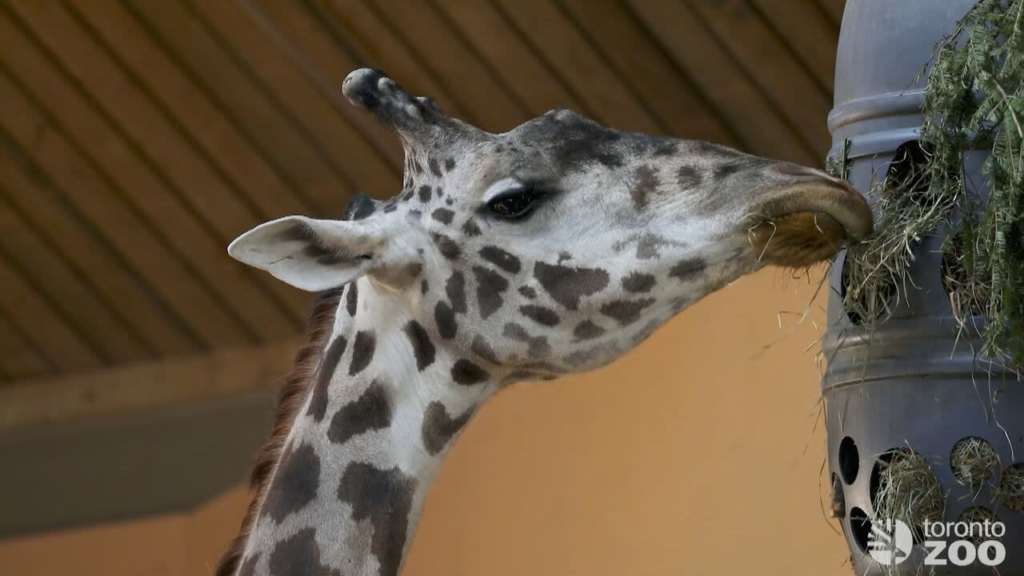
There has been cautious optimism in recent years, as conservation initiatives have begun to stabilize and slowly increase Masai giraffe numbers in certain regions. Anti-poaching measures, habitat protection, and community-based conservation programs have all contributed to this gradual progress. Zoo-based breeding efforts complement these initiatives by ensuring a genetically diverse safety net population exists outside the species’ natural range.
Kiko’s death has also prompted reflection on the complexities of caring for large, specialized animals in captivity. Giraffes, with their extreme height, powerful bodies, and sensitive physiology, present unique challenges. Habitat design, door mechanisms, and routine management practices must account for these factors, yet even with rigorous planning and experienced staff, unforeseen risks can arise.
The Toronto Zoo has emphasized that it is reviewing the circumstances surrounding the accident thoroughly. While investigations are ongoing, officials have reiterated their commitment to learning from the incident and improving safety measures wherever possible. Such reviews are standard practice in accredited zoos and are intended to prevent future tragedies rather than assign blame.
As tributes continue to pour in from zoo professionals, conservationists, and members of the public, Kiko is being remembered as more than a statistic. He was a living ambassador for his species, a contributor to its future through his offspring, and a reminder of both the fragility and importance of conservation work. His legacy will live on through his calves and the continued efforts to protect Masai giraffes in the wild and in human care.
While the circumstances of his death are grim, the response from the global zoo and conservation community underscores a shared commitment to transparency, improvement, and respect for the animals entrusted to human care. In remembering Kiko, that commitment remains central to ensuring that endangered species like the Masai giraffe have a future beyond loss and tragedy.
Heard some buzz about 187bet5. Gonna take a peek and see if it lives up to the hype. Fingers crossed for some good wins! Take a look at 187bet5
I’ve recently started a site, the information you provide on this website has helped me greatly. Thanks for all of your time & work. “Character is much easier kept than recovered.” by Thomas Paine.