
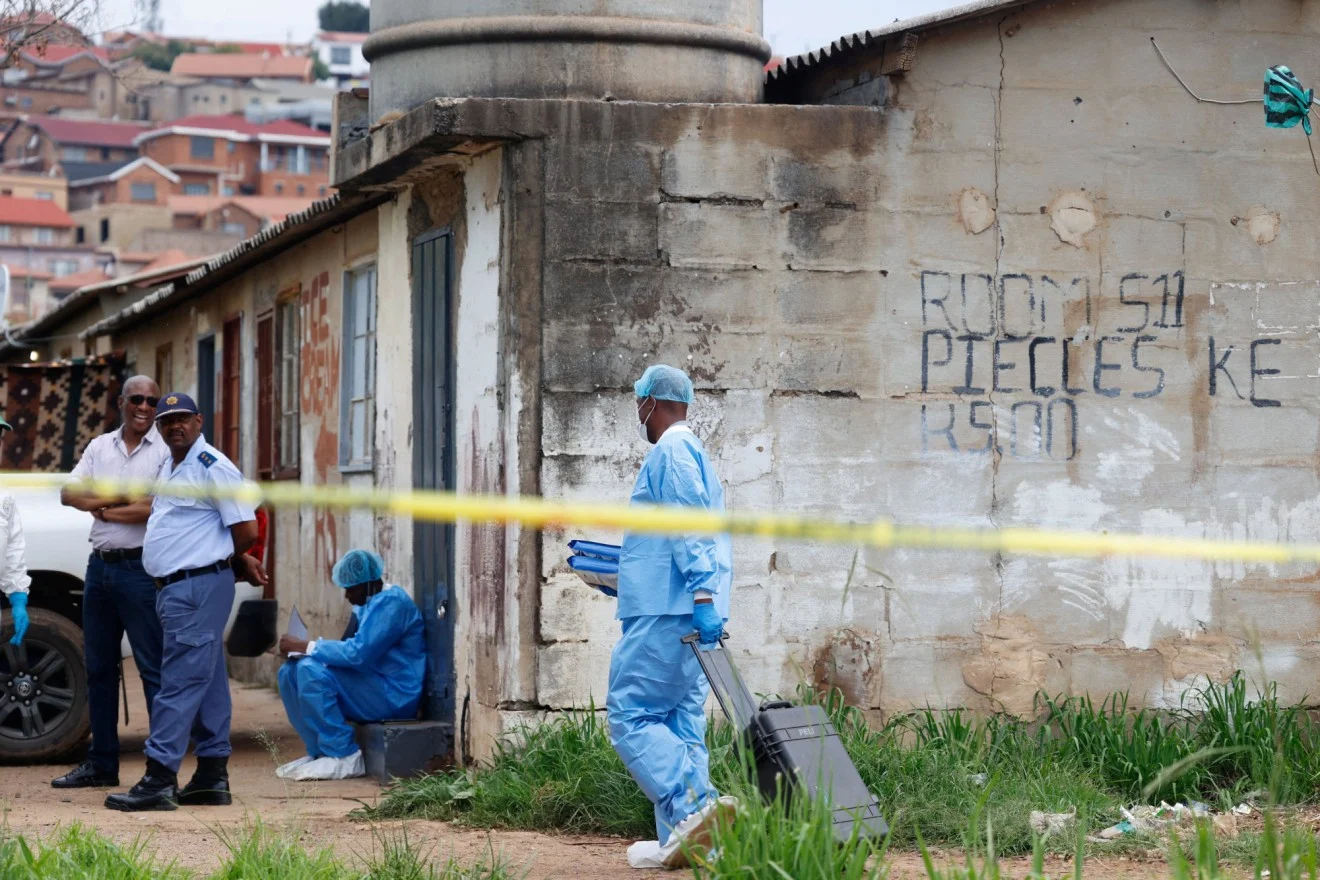
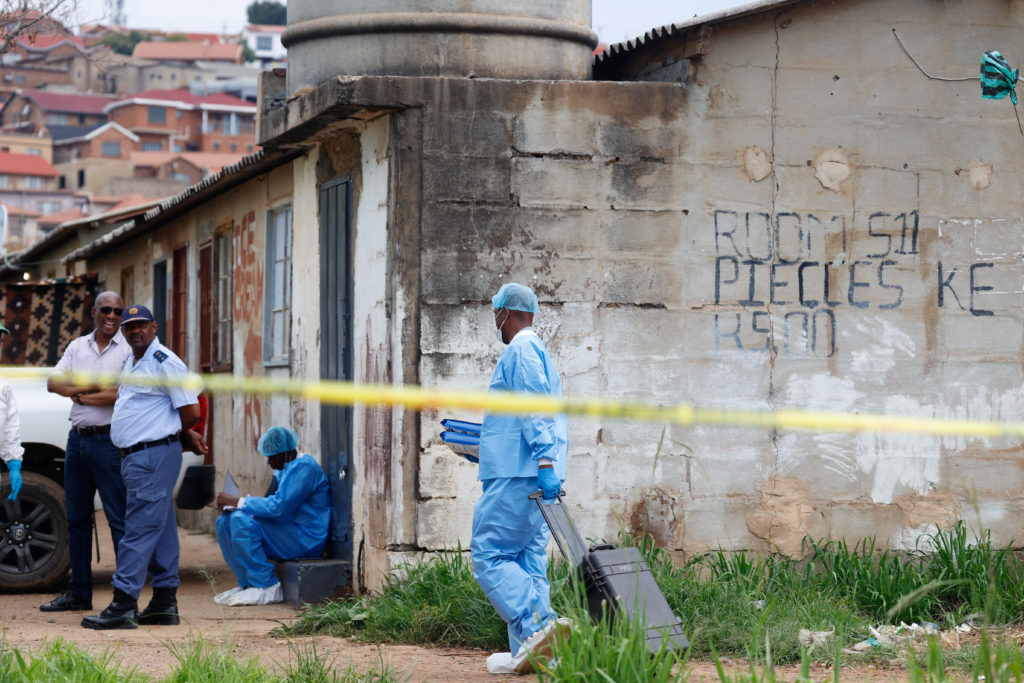
The mass shooting that claimed the lives of 11 people, including three children, in an unlicensed bar in Saulsville near Pretoria has once again exposed the persistent and escalating challenge of gun violence in South Africa. The early-morning attack, which left an additional 14 people wounded, unfolded inside a bar reportedly operating within a hostel structure. As investigators search for three suspects believed to be responsible, communities across the country are grappling with the heavy human toll of the incident and the systemic issues that continue to fuel such tragedies.
The deaths of a three-year-old boy, a 12-year-old boy and a 16-year-old girl have sharpened the national sense of grief, underscoring the indiscriminate nature of these attacks and the dangers faced by civilians in everyday settings. The circumstances of the shooting reflect broader patterns seen in previous mass attacks at informal drinking establishments, adding to a troubling record of violence that authorities have struggled to reverse.
Rising Patterns of Violence in Informal Drinking Venues
Mass shootings at informal bars, commonly called shebeens or taverns, have become a recurring feature of South Africa’s violent crime landscape. While these establishments form part of longstanding community and social traditions, they also often operate outside the formal licensing system, making them susceptible to safety lapses and limited oversight.
Investigators indicated that the venue in Saulsville was unlicensed, and local reports suggest it was situated inside a hostel, a type of housing with its own complex social dynamics that can include overcrowding and limited security infrastructure. In these environments, large gatherings, inadequate lighting, and restricted exits can increase vulnerability in the event of armed attacks. The Saulsville shooting took place in the early hours of the morning, a period during which many patrons remain inside small, confined spaces.
For the victims, this meant minimal opportunity for escape once the assailants began firing. Police have not yet disclosed a motive, but previous attacks at shebeens have been linked to disputes involving criminal groups, personal conflicts, and targeted acts of retaliation. The 2022 mass shooting in Soweto, where 16 people were killed, highlighted how attackers can exploit the layout and informality of these venues to inflict maximum harm before fleeing under cover of darkness. While each incident has unique elements, the operating conditions of many informal bars create repeat vulnerabilities that perpetrators are able to use to their advantage.
Read : 20-Year-Old Gunman Who Fired at Trump Was Rejected from School Rifle Team
Authorities have acknowledged these challenges but face operational constraints when monitoring or shutting down unlicensed premises. Local communities frequently rely on shebeens as social and recreational hubs, and efforts to regulate them can spark tensions between law enforcement and residents. In addition, limited policing resources in high-density townships mean that even well-intentioned enforcement strategies may not achieve sustained results. The result is an environment in which unregulated venues continue to operate and, in some cases, become focal points for violent incidents.
Gun Availability and the Scale of South Africa’s Homicide Crisis
South Africa’s overall homicide rate remains among the highest in the world, with more than 26,000 homicides recorded in 2024. This translates to an average of over 70 killings each day in a nation of roughly 62 million people. Firearms account for a significant proportion of those deaths, despite the country’s comparatively strict legal framework for civilian gun ownership.
The persistence of gun-related killings is attributed largely to the circulation of illegal firearms, many of which originate from thefts, corrupt transactions, or outdated military and police stockpiles that were not adequately secured. The Saulsville shooting reflects this broader problem. While authorities have not released details about the weapons used, the scale of casualties suggests the use of powerful firearms capable of causing extensive damage rapidly. Similar cases in recent years underscore the lethality of illegal arms in circulation.
In September 2024, 18 people were killed—15 of them women—in two related mass shootings in the Eastern Cape. Investigations revealed that an AK-style rifle had been used, a weapon type that has been central to several mass attacks in the past decade. The repeated use of such rifles highlights gaps in firearm tracing and persistent weaknesses in border control, internal security, and weapons disposal processes.
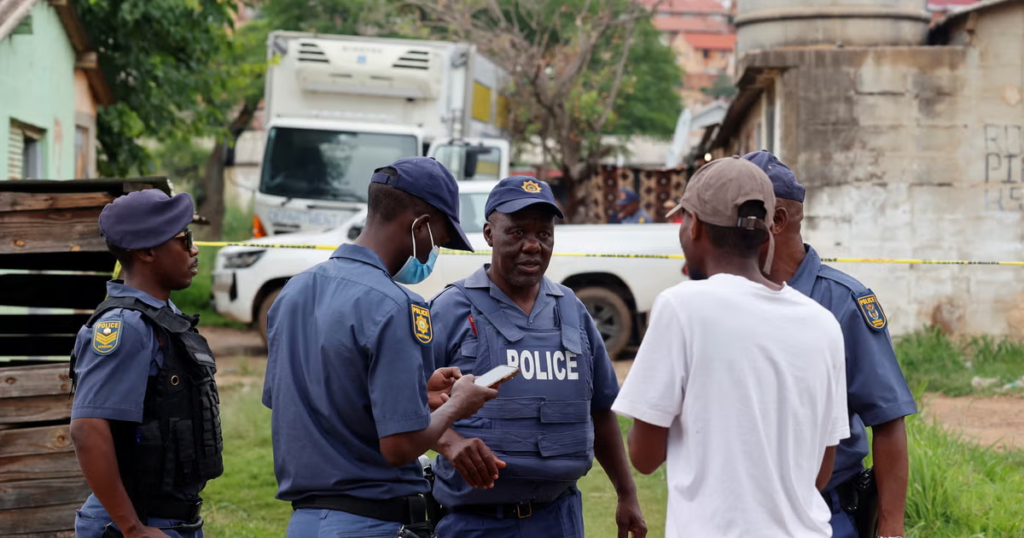
The presence of illegal firearms is compounded by complex socioeconomic factors. High levels of unemployment, persistent inequality, and the presence of organized criminal networks contribute to an environment in which armed violence becomes a frequent outcome of disputes or targeted attacks. Additionally, firearms often circulate for years within communities before being recovered, allowing them to be used repeatedly across different types of crimes. The cumulative effect is a steady stream of shootings, both targeted and indiscriminate, that overwhelm policing and investigative systems.
Another challenge lies in the difficulty of prosecuting perpetrators of mass shootings. Many attacks are executed swiftly by multiple suspects, with limited witnesses able to provide definitive descriptions. The nighttime conditions common in these events further impair identification efforts. In the Saulsville case, police confirmed that they are searching for three suspects, but detailed information about the assailants has not yet been made public. Without swift arrests, communities often feel a deepened sense of insecurity and fear of future incidents.
Community Impact and Ongoing Investigative Efforts
The loss of three children in the Saulsville attack has intensified public focus on the human consequences of unchecked violence. The victims—a toddler, a pre-teen, and a teenage girl—represent three age groups that are typically considered sheltered from the dangers of adult nightlife environments. Their deaths illustrate how mass shootings in communal and residential spaces blur any assumptions about who is at risk. For residents of Saulsville, as in many township communities, the tragedy deepens concerns about safety in spaces where families live, socialize, and gather.
Read : Lion Jumps Off Moving Relocation Truck in South Africa: Watch
The 14 individuals who were wounded and transported to area hospitals face uncertain recoveries, with authorities not yet disclosing the ages or conditions of the survivors. These injuries add to the broader burden on local healthcare systems, which frequently manage the physical and psychological aftermath of large-scale violent incidents. Hospitals in regions with high crime rates often receive recurring patients with gunshot wounds, placing additional pressure on emergency resources already stretched by routine trauma cases and public health demands.
Police have initiated a multi-faceted investigation, involving ballistic analysis, witness interviews, and searches for links to previous violent incidents in the region. Identifying suspects in township settings requires cooperation between community members and law enforcement, but fear of retribution can limit the flow of information. In cases where attackers are associated with local criminal groups, residents may hesitate to come forward, even when significant rewards or protections are offered.
This dynamic has hindered investigations in past mass shootings, including the Soweto and Eastern Cape cases, where arrests were made only after prolonged inquiries. Government officials have noted that the proliferation of illegal firearms continues to undermine public security operations, prompting repeated calls for improved weapon tracing and enhanced policing strategies. Some provinces have expanded specialized anti-gang and firearm recovery units, but national coordination remains essential to address the scale of the problem.
Community safety forums and local leaders have also advocated for targeted interventions to reduce the risks associated with unlicensed bars, including improved lighting, structural assessments, and designated enforcement units. While these measures may reduce vulnerabilities, their success depends on sustained collaboration between authorities and residents, consistent regulatory attention, and long-term support from municipal and national bodies.
The Saulsville tragedy adds to a list of devastating incidents that have tested the resilience of South African communities and highlighted ongoing deficits in public safety infrastructure. As investigators continue to pursue the suspects and gather evidence, the affected families face profound loss and uncertainty. The circumstances of the attack and its broader implications reinforce the need for coordinated strategies that address both the immediate challenges of illegal firearms and the longer-term conditions that enable recurrent violence in vulnerable areas.
Ktoaposta sounds cool. Might throw some cash down and see if I get lucky. Anyone tried it out yet? ktoaposta