
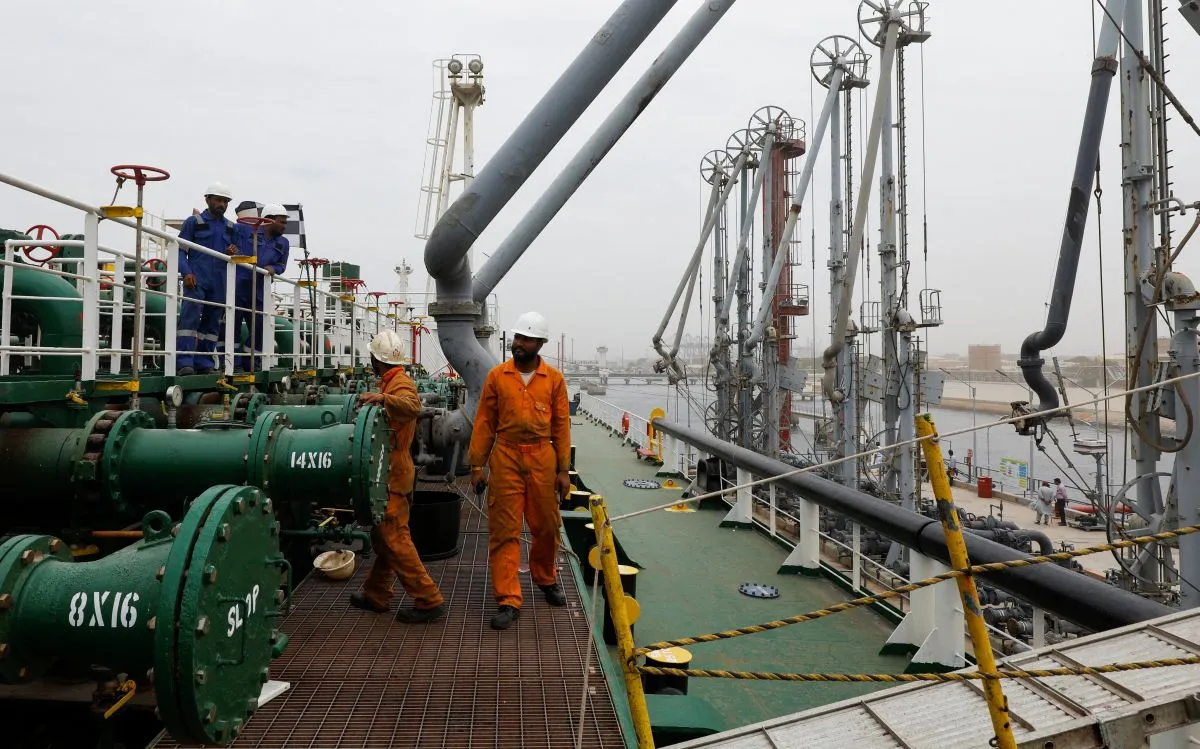
What Happened to Massive Oil and Gas Reserves Found in Pakistan Three Months Ago? The discovery of oil and gas reserves in Pakistan’s maritime region brought a wave of hope, but its current status raises more questions than answers.
The promise of newfound oil and gas reserves in Pakistan’s waters had the nation buzzing three months ago. The announcement, made against the backdrop of an economic crisis, painted a hopeful picture for a country struggling to stabilize its finances.
However, as time has passed, the euphoria has given way to uncertainty. While initial reports suggested a significant petroleum deposit had been identified, there has been no clear progress or updates since the announcement. This blog explores the journey of the discovery, its potential impact, and the challenges delaying its development.
The Discovery: A Beacon of Hope for Pakistan
Three months ago, news of massive oil and gas reserves in Pakistan’s maritime territory sparked excitement across the nation. After a three-year geological survey in collaboration with a friendly country, these reserves were pinpointed in the deep waters off Pakistan’s coastline.
This survey employed advanced technologies, promising a breakthrough for a nation heavily dependent on imported energy to meet its needs.
For decades, Pakistan has faced a severe energy crisis, with power shortages and high fuel costs crippling its economy. The prospect of domestic reserves offered a glimmer of hope for energy self-sufficiency and economic revitalization.
Read : World’s 4th Largest Oil Reserve Found in Pakistan
Experts initially projected that the reserves could significantly reduce Pakistan’s import bill, strengthen its currency, and attract foreign investment into its energy sector.
Read : We Support Direct Discussions Between India and Pakistan: US
The announcement came at a time when the Pakistani rupee was depreciating, inflation was soaring, and unemployment was on the rise. The promise of indigenous oil and gas reserves instilled optimism in policymakers and citizens alike. Yet, despite the initial enthusiasm, the story of this discovery has taken an uncertain turn.
Challenges in Extraction and Development
The exploration and extraction of deep-sea oil and gas reserves is no small feat. While Pakistan may have identified the reserves, tapping into them presents a host of challenges.
Offshore drilling, particularly in deep waters, requires advanced technology, skilled manpower, and substantial financial investment. Pakistan currently lacks the resources and expertise needed for such a large-scale operation.
Moreover, the global energy landscape is marked by stiff competition, with oil and gas prices often fluctuating based on geopolitical and economic factors. To make the extraction process viable, Pakistan must attract foreign investors or partner with multinational energy companies. However, the country’s economic instability and political challenges could deter potential collaborators.
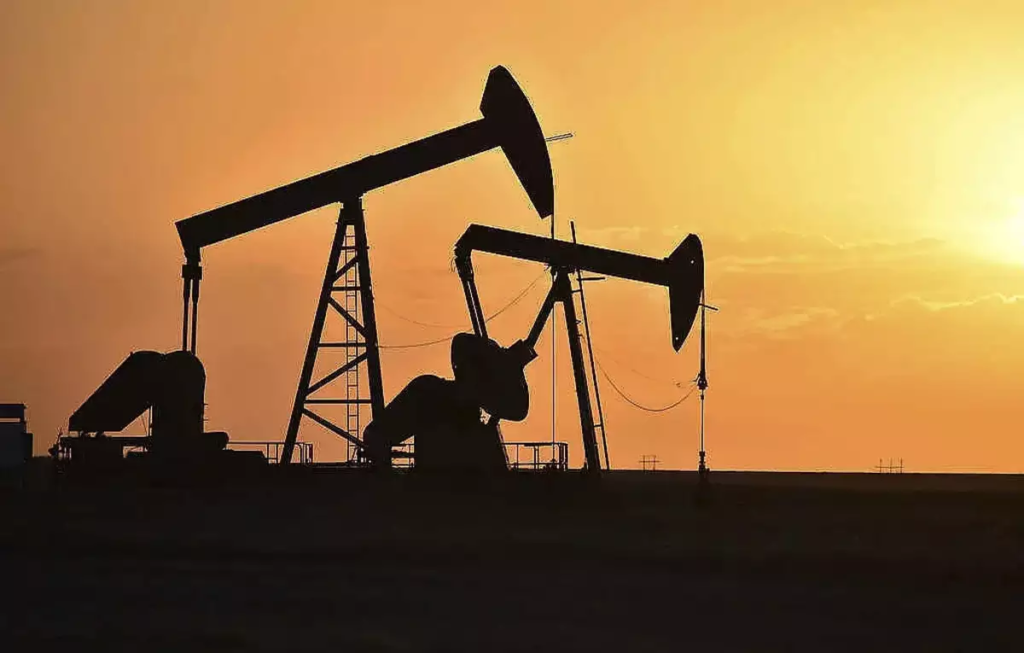
Another factor delaying progress is the detailed feasibility studies and environmental assessments required before any drilling begins. These studies aim to ensure that the extraction process is both economically viable and environmentally sustainable. Such evaluations can take months or even years to complete.
Additionally, Pakistan’s history with large-scale energy projects has been fraught with inefficiencies, bureaucratic hurdles, and allegations of corruption. These systemic issues may further slow down the pace of development, leaving the reserves untapped for the foreseeable future.
Current Status: Silence and Speculation
Despite the initial fanfare, there has been little to no communication from the government or relevant authorities about the status of the reserves in recent months. The lack of transparency has fueled speculation about whether the reserves are as substantial as initially claimed. Skeptics argue that the announcement might have been premature or exaggerated to create a temporary sense of hope amidst the ongoing economic crisis.
There is also the possibility that technical or financial constraints have put the project on hold. If the government is unable to secure funding or partnerships, the reserves may remain buried under the ocean floor.
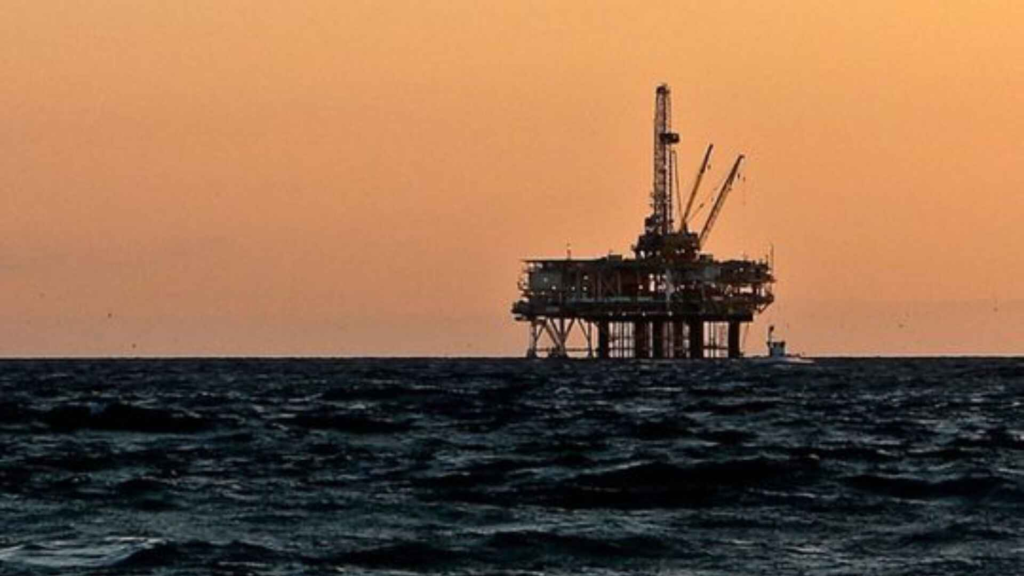
Pakistan’s energy minister has yet to provide a comprehensive update on the progress of the project, leaving citizens in the dark about its future. This silence has led to frustration and disillusionment among those who believed that the discovery would bring immediate relief to the country’s economic woes.
Opportunities and Responsibilities
Despite the challenges, the discovery of oil and gas reserves in Pakistan’s waters holds immense potential. If managed effectively, these resources could transform the country’s energy landscape and contribute to its long-term economic stability. However, realizing this potential requires a strategic and transparent approach.
First and foremost, the government must prioritize transparency in its communication about the reserves. Regular updates on the progress of feasibility studies, exploration activities, and investment negotiations would help build public trust and confidence.
Secondly, Pakistan must seek international partnerships to leverage the technical expertise and financial resources needed for offshore drilling. Establishing joint ventures with leading energy companies could expedite the development process and mitigate risks.
Furthermore, it is essential to address the bureaucratic inefficiencies and systemic corruption that often plague large-scale projects in Pakistan. By implementing robust governance mechanisms, the government can ensure that the benefits of the reserves are equitably distributed and not lost to mismanagement.
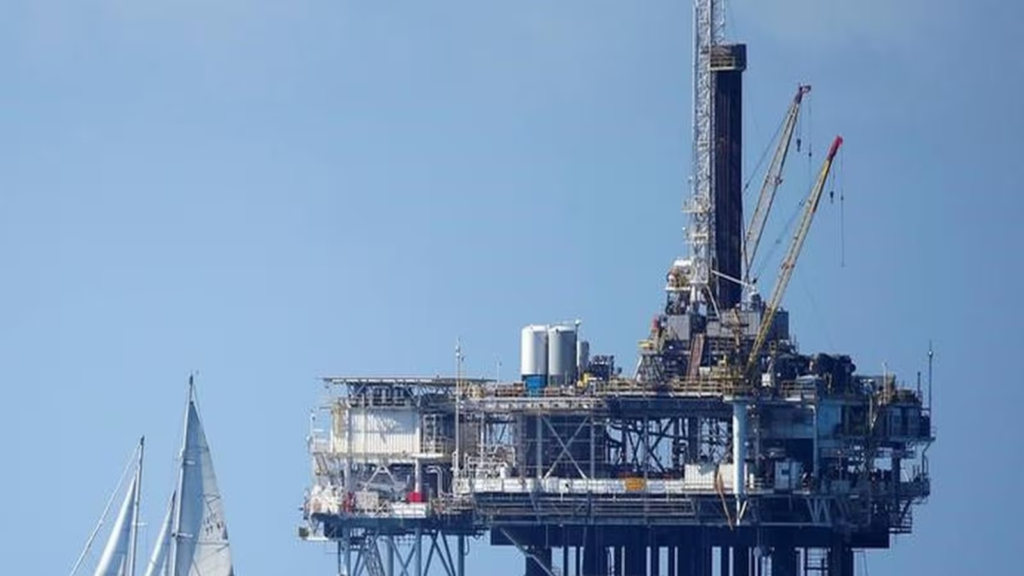
Lastly, environmental considerations must be at the forefront of any extraction plans. Pakistan’s coastal ecosystems are vital for biodiversity and livelihoods, and any drilling activities must minimize ecological damage. Adopting sustainable practices will not only protect the environment but also enhance Pakistan’s credibility in the global energy market.
The discovery of massive oil and gas reserves in Pakistan’s waters was hailed as a game-changer for a nation in crisis. However, three months later, the lack of progress and communication has left many wondering whether this opportunity will ever materialize.
While the challenges are significant, so are the opportunities. With strategic planning, international collaboration, and transparent governance, Pakistan can unlock the potential of these reserves and chart a path toward energy independence and economic resilience.