
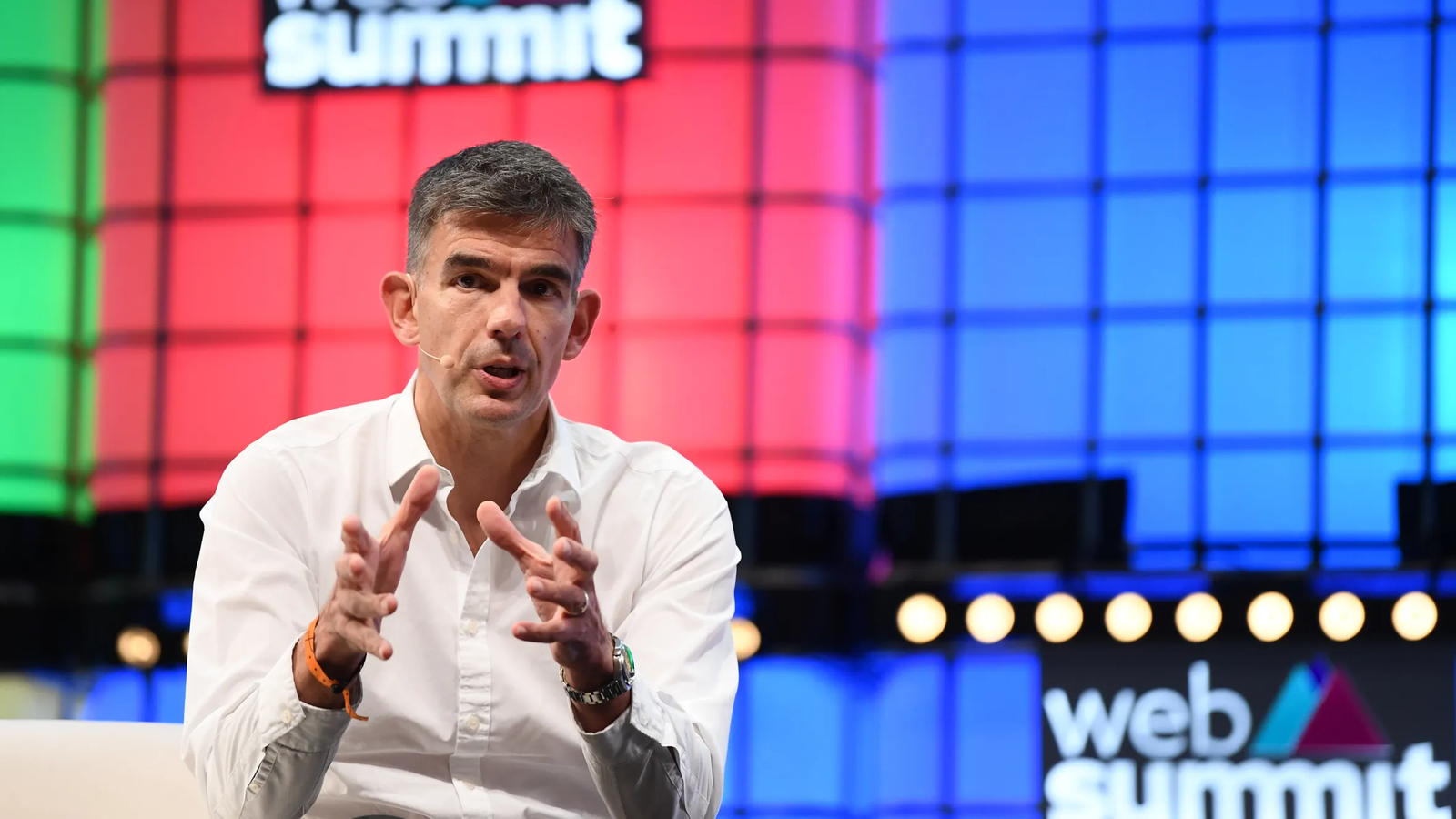
Matt Brittin has emerged as one of the most talked-about candidates in discussions surrounding the future leadership of the BBC, a role that carries both immense responsibility and public scrutiny. Known primarily for his long and influential career in the technology sector, Brittin represents a significant departure from the traditional profile of BBC director-generals, who have historically risen through the ranks of journalism or television production.
His potential appointment signals not only a shift in leadership style but also a broader transformation in how the BBC may position itself in an increasingly digital and competitive media landscape. With nearly two decades at one of the world’s most powerful technology companies and a diverse professional background that spans consulting, media, and corporate governance, Brittin’s career offers insight into why he is being considered for one of the most prominent roles in British broadcasting.
A Career Defined by Technology and Strategic Leadership
Matt Brittin’s professional journey is deeply rooted in strategy, innovation, and large-scale organizational leadership. Before entering the technology industry, he began his career as a consultant at McKinsey, where he developed a strong foundation in business strategy and problem-solving. This early experience helped shape his analytical approach and prepared him for leadership roles across multiple industries.
His transition into media and marketing roles further broadened his expertise. Notably, he served as commercial director at Trinity Mirror, where he gained firsthand experience in the workings of the media industry, including advertising, audience engagement, and revenue generation. This period of his career is often overlooked but remains significant, as it provides him with a connection to traditional media that complements his later work in digital transformation.
However, it was his tenure at Google that defined Brittin’s career and elevated his global profile. Joining the company in 2007, he quickly rose through the ranks to become president for Europe, the Middle East, and Africa. In this role, he was responsible for overseeing operations across a vast and diverse region, managing relationships with governments, regulators, and major corporate partners. His leadership coincided with a period of rapid technological change, including the rise of mobile computing, digital advertising, and artificial intelligence.
Brittin’s work at Google placed him at the center of some of the most important developments in the modern digital economy. He played a key role in expanding the company’s presence and influence across multiple markets, while also navigating complex regulatory environments. His ability to balance innovation with compliance and public accountability is seen by many as a valuable skill set for leading a public service broadcaster like the BBC, which faces its own challenges in adapting to a digital-first world.
Read : Lightning Strikes Empire State Building and One World Trade Center in New York | Watch Video
After nearly two decades with the company, Brittin announced his departure, marking the end of a significant chapter in his career. In reflecting on his time there, he emphasized the transformative potential of emerging technologies, particularly artificial intelligence, and their impact on society. This forward-looking perspective is one of the qualities that has made him an appealing candidate for a role that will require rethinking how public broadcasting operates in the digital age.
A Potential Shift in Direction for the BBC
The possibility of Matt Brittin becoming director-general of the BBC has sparked considerable debate, largely because it represents a break from tradition. The role has historically been filled by individuals with deep roots in journalism, broadcasting, or television production. Brittin, by contrast, brings a background shaped by technology, corporate strategy, and global business operations.
This difference has led to speculation about what his leadership might mean for the BBC’s future. The organization is currently navigating a complex environment marked by changing audience habits, increased competition from streaming platforms, and ongoing debates about its funding model and public role. A leader with a strong digital background could potentially accelerate the BBC’s transformation into a more agile and technologically advanced institution.
Read : Bizarre! Robber Attempts Hold-Up at Mi Rinconcito Ecuatoriano Using Google Translate
Brittin’s experience in managing large-scale digital ecosystems could be particularly relevant as the BBC continues to expand its online presence and rethink how it delivers content to audiences. His understanding of data, user behavior, and platform dynamics may help the organization better compete in an era where traditional broadcasting is no longer the dominant mode of media consumption.
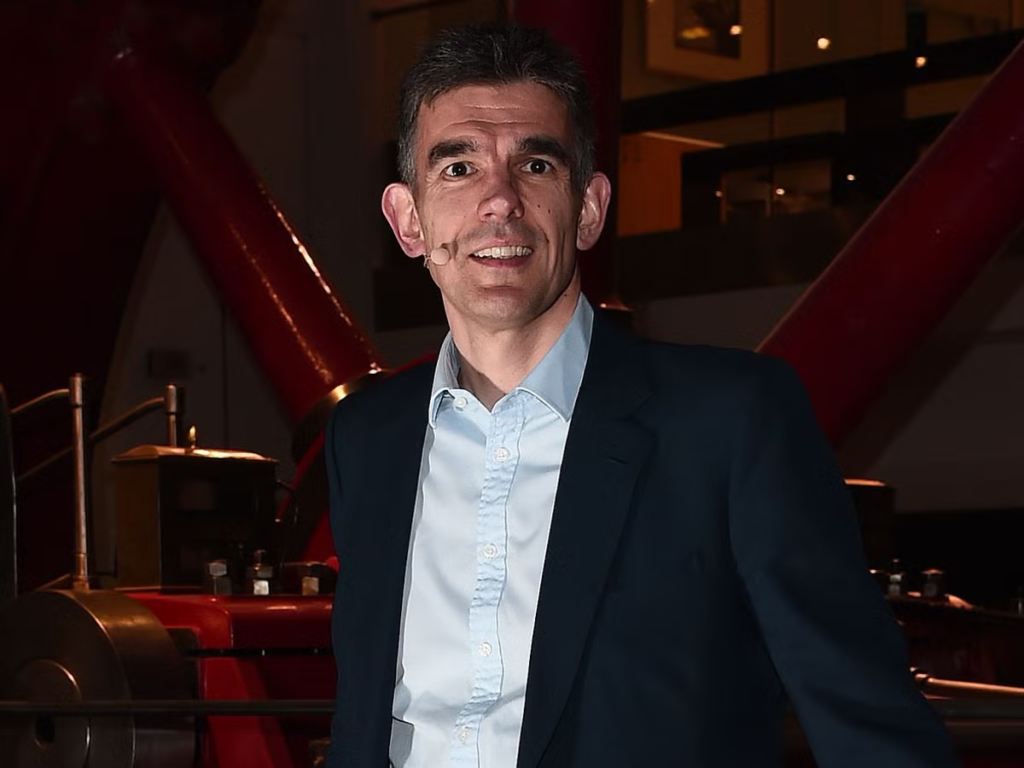
At the same time, his potential appointment has raised concerns among some within the industry. Critics argue that the BBC’s core mission as a public service broadcaster requires leadership grounded in editorial judgment, storytelling, and an understanding of journalistic values. There is also disappointment among those who had hoped for the appointment of the organization’s first female director-general, particularly given the presence of several high-profile women who were considered strong candidates for the role.
Despite these concerns, Brittin’s supporters point to his broad experience and adaptability as key strengths. His career demonstrates an ability to operate across different sectors and to lead organizations through periods of change. In a time when the boundaries between technology and media are increasingly blurred, this kind of hybrid expertise may prove valuable.
Beyond Business: Personal Achievements and Public Service
Beyond his professional accomplishments, Matt Brittin’s life includes a range of achievements and contributions that reflect his diverse interests and commitment to public service. In his younger years, he was an accomplished athlete, representing Great Britain as a rower. He competed in the 1988 Seoul Olympics and went on to win a bronze medal at the World Rowing Championships in 1989.
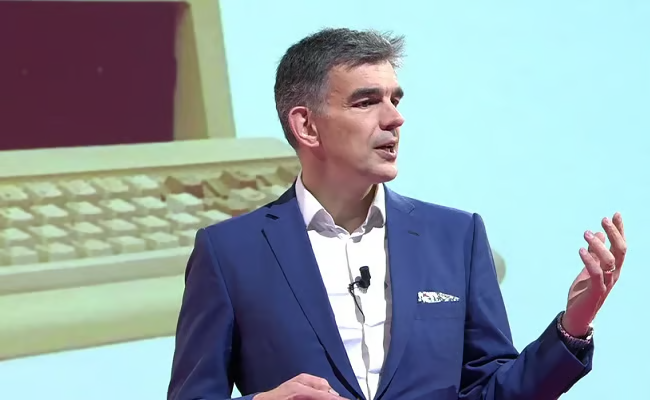
His involvement in rowing also extended to his time at Cambridge, where he participated in multiple Boat Races, highlighting a longstanding dedication to discipline and teamwork. In addition to his sporting achievements, Brittin has been actively involved in corporate governance and charitable work. He has served on the board of Sainsbury’s for nine years, contributing to the strategic direction of one of the United Kingdom’s major retail companies.
His role as a non-executive director at Guardian Media Group further connects him to the media industry and provides insight into the challenges faced by news organizations in the digital age. His charitable work includes serving as a trustee for organizations focused on media development and climate issues. These roles demonstrate a broader commitment to social impact and public engagement, qualities that align with the BBC’s mission as a public service institution.
Brittin was also recognized in the King’s New Year Honours list, where he was appointed a Commander of the Order of the British Empire (CBE) for his services to technology and the promotion of digital skills. This recognition underscores his influence in shaping the technological landscape and his efforts to support digital inclusion and education.
Following his departure from Google, Brittin has taken what he describes as a “mini gap year,” using the time to explore personal interests and spend time with family. His reflections during this period suggest a willingness to step back and reassess priorities, an approach that could inform his leadership style if he takes on the BBC role.
As the search for the next director-general continues, Matt Brittin stands out as a candidate whose career bridges the worlds of technology, media, and public service. His potential appointment would mark a significant moment in the BBC’s history, signaling a shift toward a more digitally focused future while raising important questions about the balance between innovation and tradition in public broadcasting.