
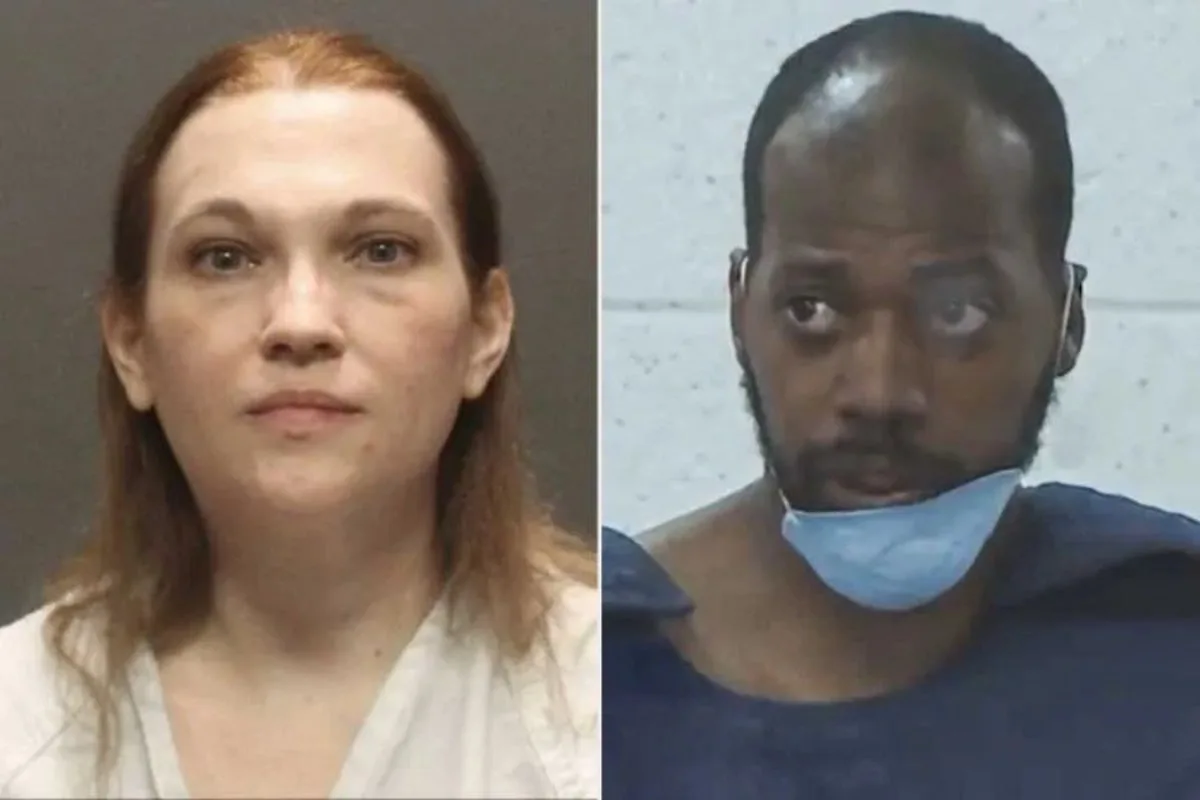
A Los Angeles County judge has sentenced Maurice Jewel Taylor Sr. and Natalie Sumiko Brothwell to consecutive life terms without the possibility of parole for the 2020 murders of their two eldest children in Lancaster, California. The ruling brings a measure of finality to a case that has drawn widespread condemnation for the extreme violence inflicted on minors by those entrusted with their care.
The court found that the parents’ conduct met the highest threshold of criminal culpability, emphasizing not only the killings themselves but also the sustained abuse inflicted on the surviving children in the days that followed. The sentence ensures permanent incarceration and underscores the judiciary’s assessment of the crimes as among the most severe under California law.
The convictions stem from the deaths of 12-year-old Maurice Jewel Taylor Jr. and 13-year-old Maliaka Taylor, who were killed inside the family’s home on November 29, 2020. Jurors found both parents guilty of two counts of first-degree murder and two counts of child abuse under circumstances likely to cause great bodily injury or death. They also found true a special-circumstance allegation of multiple murders, a determination that mandates life without parole. At sentencing, the court ordered the life terms to be served consecutively, reflecting the separate and irreparable harms inflicted on each child.
The Crimes and the Immediate Aftermath
According to the evidence presented at trial, Maurice and Maliaka were stabbed and decapitated inside their home on Century Circle in Lancaster. The brutality of the killings was compounded by what occurred afterward. The couple’s two younger sons, then eight and nine years old, were confined to their bedrooms for several days without food and were forced to look at their siblings’ bodies. Prosecutors described this period as an extension of the violence, arguing that the parents’ actions inflicted severe psychological trauma and constituted child abuse under conditions likely to cause great bodily injury or death.
Authorities did not discover the deaths immediately. The bodies remained in the home for five days until a report of a gas leak prompted a welfare check on December 4, 2020. Law enforcement officers responding to the call encountered the scene and initiated a homicide investigation. Maurice Jewel Taylor Sr., who worked as a personal trainer, was arrested shortly after authorities arrived. Natalie Sumiko Brothwell was not immediately apprehended and remained at large for several months.
The delay in discovery and arrest became a focal point in understanding the scope of the harm suffered by the surviving children. Prosecutors emphasized that the confinement and deprivation following the killings were deliberate and prolonged, adding to the gravity of the case. The state argued that the parents’ conduct demonstrated a sustained pattern of cruelty rather than a single moment of violence, a contention that would later be reflected in both the verdicts and the sentences imposed.
Investigation, Arrests, and Trial Proceedings
Following Taylor’s arrest in December 2020, the investigation expanded to locate Brothwell, who was eventually taken into custody in September 2021 in Tucson, Arizona. Extradited to California, she faced the same charges as Taylor. Both defendants entered pleas of not guilty, setting the stage for extensive pretrial litigation and a jury trial that examined forensic evidence, witness testimony, and the circumstances surrounding the children’s deaths.
Read : Three Sisters Die After Jumping from 9th Floor of Apartment After Parents Denied Access to Phone
During trial, the prosecution presented a detailed chronology of events, emphasizing the condition of the home, the nature of the injuries, and the treatment of the surviving children. The state argued that the killings were intentional and premeditated, meeting the statutory definition of first-degree murder. The special-circumstance allegation of multiple murders required jurors to determine whether the defendants committed more than one murder in the same proceeding, a finding that significantly increased sentencing consequences.

Defense arguments varied between the two defendants. Taylor’s counsel challenged aspects of the prosecution’s narrative and later filed a motion for a new trial, which the court ultimately rejected. Brothwell maintained her innocence throughout, asserting that she did not kill her children and claiming she attempted to save them. The jury, however, rejected these assertions, returning guilty verdicts on all counts in November 2025.
The child abuse convictions were based on evidence that the surviving sons were deprived of food, confined to their rooms, and exposed to their siblings’ bodies. Prosecutors argued that these actions created conditions likely to cause great bodily injury or death, satisfying the elements of the offense. The jury’s acceptance of this argument reinforced the view that the parents’ criminal responsibility extended beyond the murders themselves.
Sentencing, Judicial Findings, and Long-Term Impact
At the February 2, 2026 sentencing hearing, Judge Lisa M. Strassner addressed the defendants directly, characterizing the victims as “helpless” and condemning the lack of accountability displayed by the parents. In ordering consecutive life sentences without the possibility of parole, the court emphasized that each child’s life warranted independent recognition under the law. The judge also referenced the forced exposure of the surviving children to the aftermath of the killings, describing it as an aggravating factor that underscored the cruelty of the crimes.
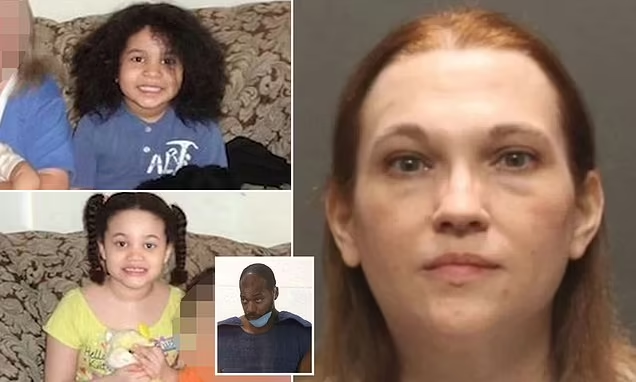
The Los Angeles County District Attorney’s Office welcomed the sentence, with District Attorney Nathan Hochman describing the acts as “monstrous” and stating that the verdict sent a clear message that such conduct would be met with the harshest penalties available. The consecutive nature of the life terms ensures that neither defendant will ever be eligible for release, effectively removing any prospect of parole.
Taylor’s post-verdict motion for a new trial was denied, closing the door on further relief at the trial court level. While appellate options remain a routine part of the criminal process, the sentence imposed reflects the court’s definitive judgment on culpability and punishment. Brothwell continued to assert her innocence at sentencing, reiterating claims that she tried to intervene, but the court found no basis to disturb the jury’s findings.
Beyond the courtroom, the case has drawn attention to the enduring consequences for the surviving children. Now adolescents, the two boys face long-term recovery from the trauma inflicted during and after the killings. The focus of public agencies and caretakers has shifted toward ensuring stability, therapeutic support, and a secure environment as they move forward. While the criminal proceedings have concluded with final sentences, the broader process of healing and support for the victims’ family members remains ongoing.
The case stands as a stark example of the legal system’s response to extreme familial violence. Through detailed investigation, rigorous trial proceedings, and the imposition of the maximum available sentences, the court affirmed the principle that crimes against children, particularly those involving multiple victims and sustained abuse, warrant the most severe sanctions under the law.
Appreciate it for this post, I am a big fan of this internet site would like to continue updated.
I believe you have mentioned some very interesting points, thankyou for the post.