
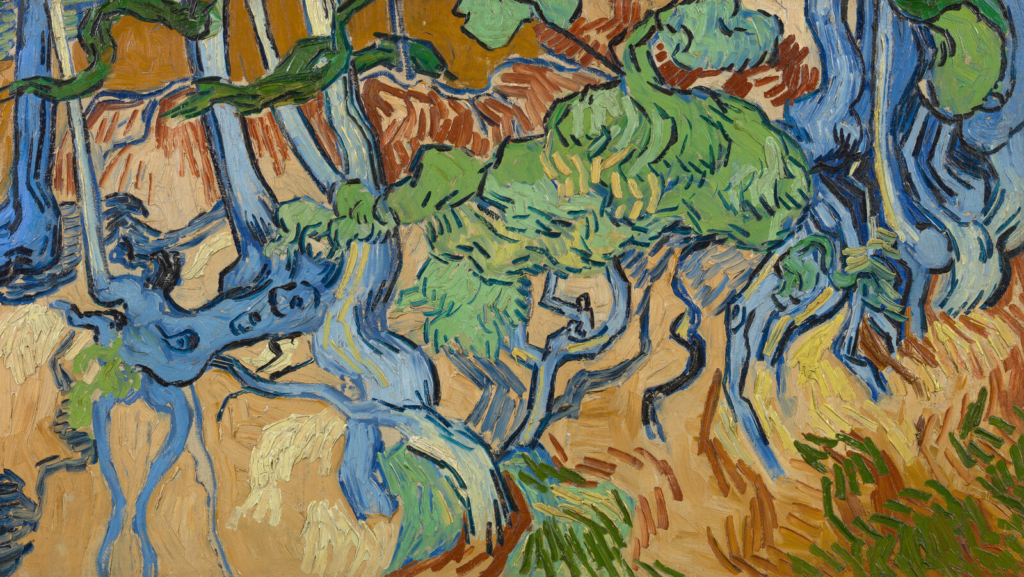
Vincent van Gogh’s final days were spent in the picturesque village of Auvers-sur-Oise, where he created his last masterpiece, ‘Tree Roots’. This vibrant yet chaotic painting is believed to reflect the turmoil the artist experienced just hours before his tragic death in July 1890.
More than a century later, the location where Van Gogh captured these tree roots became the center of a heated legal battle between the local authorities and the private owners of the land. Recently, the dispute reached its conclusion after a court ruling in favor of the landowners, Jean-François and Hélène Serlinger.
Despite opposition from the village’s mayor, Isabelle Mézières, the couple has retained control of the historic site, allowing them to preserve and share this piece of art history with visitors worldwide.
The Discovery of Van Gogh’s Final Painting Site
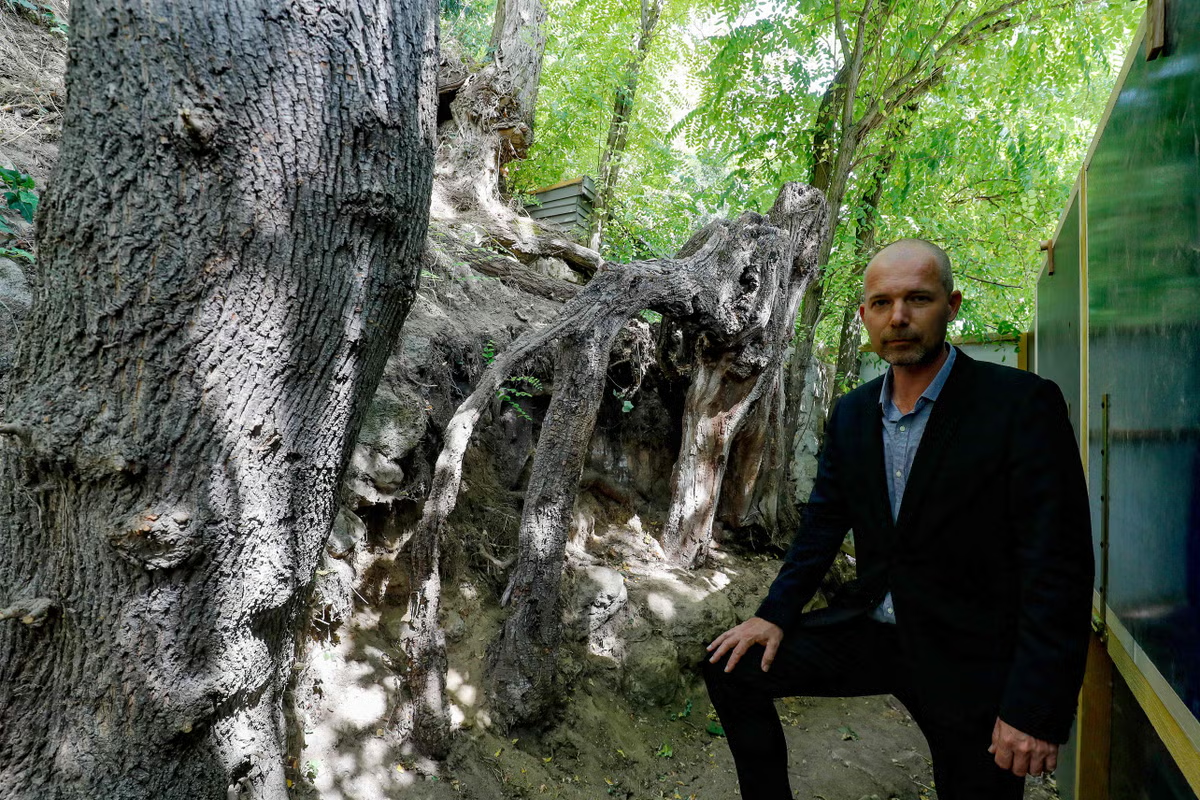
For years, art historians and Van Gogh enthusiasts speculated about the location depicted in ‘Tree Roots’. In 2020, their search came to an end when the Van Gogh Institute confirmed that the tree roots in the painting were located in the back garden of 48 Rue Daubigny in Auvers-sur-Oise.
This revelation brought immediate attention to the property, owned by Jean-François and Hélène Serlinger, who had unknowingly purchased a historically significant piece of land in 2013.
Upon learning about the roots’ connection to Van Gogh, the couple embraced their home’s newfound significance and began offering guided tours to visitors eager to see the site where the Dutch master created his final work. Their passion for Van Gogh and their commitment to preserving the site led them to develop the space as a place of historical and artistic appreciation.
The Legal Battle Between the Mayor and the Landowners
As soon as the site’s importance was recognized, Auvers-sur-Oise’s mayor, Isabelle Mézières, sought to bring the land under public ownership. She argued that the roots should be preserved as a common heritage and not be controlled by private individuals.
The local authorities attempted to claim that the portion of land where the roots were located was part of a public road, which would allow the municipality to seize control of the property.
In 2023, a local court ruled in favor of the Serlingers, affirming that the land was privately owned and did not belong to the public highway. Not satisfied with the decision, Mézières pursued an appeal, hoping to overturn the ruling.
However, in 2024, the Versailles appeal court upheld the previous decision, marking the end of the legal dispute and confirming the Serlingers’ ownership of the site.
Read : Art That Breaks Records: The 10 Most Expensive Paintings in the world
Despite the court’s ruling, Mayor Mézières did not back down. She took to social media to express her disappointment, stating that the roots belonged to the people of Auvers and should not be treated as a commercial object. She also vowed to continue legal action in pursuit of public ownership, arguing that the heritage of Van Gogh’s work should be accessible to all.
Preserving Van Gogh’s Legacy
For the Serlingers, winning the legal battle was not just about retaining ownership—it was about honoring and preserving the legacy of one of the world’s most celebrated artists. Their goal is to ensure that Van Gogh’s last painting site remains accessible to art lovers while maintaining the authenticity of the location.
Since the 2020 discovery, the couple has welcomed thousands of visitors from around the world, including members of Van Gogh’s own family. For a modest fee of €8, guests can take a 30-minute guided tour of their garden, where they can view the tree roots that inspired Van Gogh’s final masterpiece.
The couple hopes that their efforts will allow future generations to appreciate the significance of the site and Van Gogh’s enduring impact on art history.
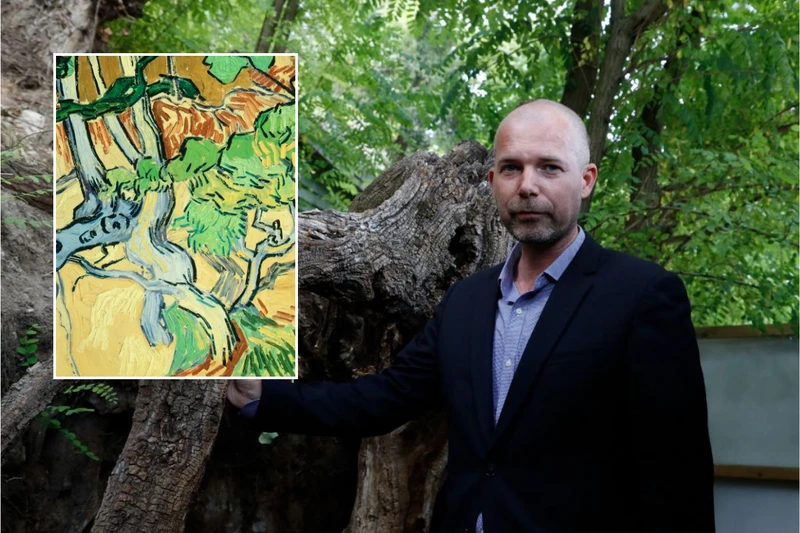
The significance of ‘Tree Roots’ extends beyond its artistic value. It provides a glimpse into Van Gogh’s state of mind in his final hours, capturing a raw and emotional portrayal of nature. Art experts have noted that the painting, with its chaotic intertwining roots and bright colors, reflects the struggles and intensity that characterized Van Gogh’s life.
Andries Bonger, the brother-in-law of Vincent’s brother Theo, described the painting in a letter, stating that it was a ‘sous-bois’—a forest scene full of sun and life—painted just before Van Gogh took his own life.
With the legal dispute now settled, the Serlingers can focus entirely on preserving and sharing this important site. While Mayor Mézières remains opposed to private ownership of the roots, the court’s decision affirms the couple’s right to maintain the site as they see fit.
Their dedication ensures that the world can continue to experience and connect with Van Gogh’s final artistic vision in the very place where it was created.
As visitors continue to flock to Auvers-sur-Oise to follow in Van Gogh’s footsteps, the Serlingers’ garden stands as a living testament to the artist’s last moments and his enduring legacy. The story of ‘Tree Roots’ is not just about a painting—it is a reminder of the profound impact Van Gogh had on the art world and the lasting significance of his work.