
A two-year-old girl in Germany was hospitalised after consuming what her mother believes was a disinfectant from a sealed McDonald’s Happy Meal water bottle, raising significant questions about food safety practices and the handling of cleaning products in commercial establishments. The child’s sudden reaction, combined with the unusual odour and the swift involvement of medical personnel and police, has drawn widespread attention to an incident that could have resulted in far more serious harm.
As investigations continue, the case has prompted renewed scrutiny of procedures within fast-food restaurants, particularly around the potential cross-contamination of food packaging with hazardous substances. The incident serves as a reminder of the dangers posed by cleaning chemicals, especially when they come into contact with items intended for children.
Immediate Reaction and Emergency Response
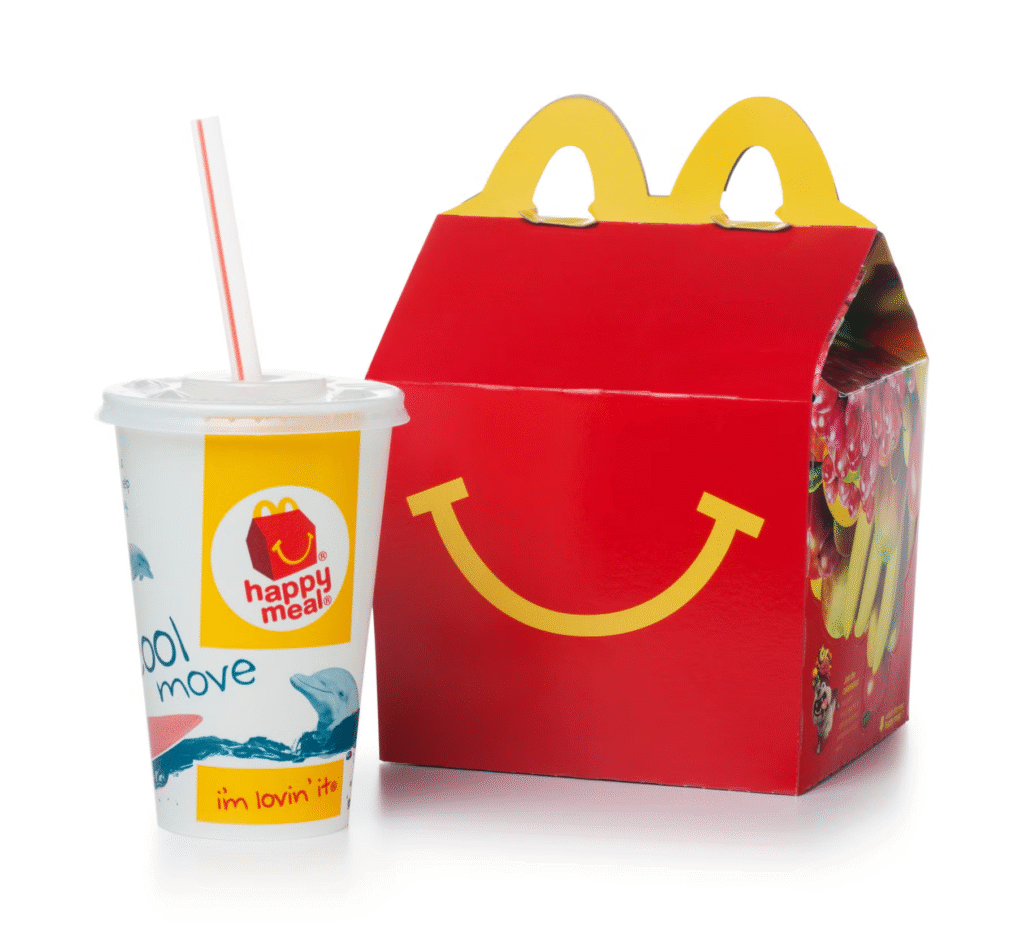
According to early reports, the incident occurred on 20 November at a McDonald’s branch in Kassel, Germany, after the child’s mother, 34-year-old Katherina Schlemm, purchased a McDonald’s Happy Meal Water Bottle for her daughter. The bottle of still water included in the order appeared standard and was sealed, giving no indication that anything was amiss. However, when the toddler drank from it in the car park, her reaction was immediate and alarming.
Ms Schlemm described her daughter turning “bright red” and screaming in distress, symptoms that prompted her to panic and seek urgent assistance. The mother later said that restaurant staff did not initially take her concerns seriously, compelling her to call emergency services herself. Emergency responders arrived promptly and provided treatment at the scene before transporting the child to hospital for further observation.
Medical personnel reported that the girl had been fortunate to avoid life-threatening injuries, given the potential dangers associated with ingesting cleaning products. The hospital carried out tests to ensure no internal burns or long-term complications had occurred. The child was monitored closely, and the rapid medical attention likely played a critical role in preventing more severe harm. Though the toddler’s condition stabilised, the severity of her initial reaction underscored the seriousness of the incident.
Read : McDonald’s Loses Chicken “Big Mac” Trademark Battle Against Irish Food Chain
Authorities later confirmed that the bottle emitted what was described as a strongly alcoholic odour, inconsistent with bottled water. The mother believed the container had been filled with either disinfectant or another form of cleaning agent before being resealed and handed out with the Happy Meal. This possibility immediately raised red flags for investigators, given that disinfectants typically contain chemicals capable of causing burns, poisoning or long-term tissue damage if consumed.
Investigation Into the Water Bottle and Restaurant Protocols
Local police launched an inquiry into how a water bottle intended for a child’s meal could have ended up containing a hazardous substance. One early theory investigated by authorities is that the bottle had been used by restaurant cleaning staff, possibly as a temporary container for cleaning fluid. Such practices, while strictly prohibited in regulated food-service environments, have been known to occur when staff improvise due to convenience or lack of proper equipment. If proved true, the practice would constitute a serious breach of safety protocol, potentially exposing employees and customers to harmful chemicals.
Read : Angry Over Long Wait, 48-Year-Old Casharra Brown Throws Hot Coffee at Michigan McDonald’s Manager
The bottle has been sent to a laboratory for chemical analysis to precisely determine what substance it contained. Until results are confirmed, authorities are treating the case as suspected negligent bodily harm. Investigators are also examining staff routines, storage practices and adherence to hygiene and safety guidelines at the Kassel McDonald’s branch. It remains unclear whether the bottle became contaminated on-site, during cleaning activities, or during a separate mismanagement process.
For its part, McDonald’s issued a brief statement to local media expressing concern, saying it was “moved by the events,” but the company declined to comment further pending the outcome of the investigation. Given the global scale of the brand and its reputation for strict compliance procedures, any confirmed lapse in safety standards could have broader implications for operations and staff training. The Independent has also reached out to McDonald’s corporate representatives for additional response, though further statements have not yet been released.
Food and safety experts note that even small amounts of cleaning products can cause harmful reactions in children due to the concentration of chemicals commonly used in disinfectants. Many cleaning agents contain solutions capable of causing chemical burns in the mouth, throat and digestive tract. Symptoms may include redness, difficulty breathing, vomiting, pain, or tissue damage. The toddler’s flushed skin and screaming were consistent with ingestion of a caustic substance, even if only a small quantity was consumed. Fortunately, the quick medical response appears to have prevented further complications.
Broader Implications and Related Incidents
The Kassel incident is not an isolated example of hazardous substances making their way into consumer food or drink products. Just last month in the United States, a woman named Holly Hill died after drinking a margarita at a restaurant in Oklahoma that had mistakenly been prepared with an industrial cleaning chemical instead of cocktail ingredients. Hill, who had been in recovery for two years following the initial incident, suffered severe burns to her oesophagus from the toxic mixture, resulting in a fatal outcome. The Elgin Police Department is still investigating the circumstances surrounding her death, but the case has already prompted widespread criticism and concern.
Such incidents demonstrate the potentially catastrophic consequences of combining food-service environments with improperly handled chemicals. Restaurants and fast-food outlets typically maintain strict safety procedures to prevent cross-contamination, including designated containers and colour-coded storage systems for cleaning agents. These measures are designed to eliminate confusion and reduce the risk of chemical exposure. However, the recent cases highlight that even a single lapse in judgement or protocol can have devastating effects.
The case in Germany also underscores the importance of proper staff training and oversight, especially in establishments that serve large numbers of children. Items in children’s meals must be handled with particular care, especially sealed beverages that parents assume are safe. The idea of a contaminated bottle being handed to a toddler raises serious questions about the processes in place to prevent accidental exposure.
Authorities in Kassel have indicated that the toddler was extremely fortunate. If the substance inside the bottle had been more corrosive or consumed in greater quantity, the outcome could have been far worse. Cleaning products can contain bleach, alcohols, acids or other corrosive chemicals that may cause internal damage, respiratory distress, or long-term complications. In severe cases, ingestion can lead to perforation of the oesophagus, systemic toxicity or even death.
Consumer advocates emphasise that parents should remain vigilant when opening sealed containers for young children. While contamination of sealed food and drink products is rare, unusual odours, colours or reactions by a child should always be treated seriously. Immediate medical attention is essential in cases involving potential chemical ingestion.
While investigations continue, the Kassel McDonald’s branch may face increased scrutiny from regulators, health authorities and the public. Questions remain about how a contaminated or improperly filled bottle could have entered the food-service chain without detection. It is unclear whether the bottle was filled in the restaurant, accidentally mixed with cleaning supplies, or contaminated in another part of the supply chain. Only laboratory testing of the bottle and a thorough review of staff procedures will clarify these issues.
The case has also triggered broader conversations about safety compliance, employee training and regular checks of cleaning equipment. Some experts argue that restaurants should implement more robust safeguards, such as designated sealed containers for chemicals that cannot resemble food-or drink-related packaging. Others suggest sharper penalties for establishments that fail to meet safety standards, particularly when incidents involve children.
Meanwhile, the toddler’s mother has expressed shock and frustration, noting that her concerns were dismissed when she sought help from restaurant staff. Her decision to call emergency services herself may have prevented further harm. The incident has gained widespread attention in Germany, not only for the potential risks to children but also for the perceived lack of urgency in the restaurant’s initial response.
As the investigation unfolds, the Kassel case and the Oklahoma tragedy highlight the serious risks associated with improper handling of cleaning chemicals in food-service settings. With health authorities, police and corporate representatives now involved, the incident has become a focal point for discussions about safety, accountability and the measures necessary to prevent similar occurrences in the future.
**mitolyn**
Mitolyn is a carefully developed, plant-based formula created to help support metabolic efficiency and encourage healthy, lasting weight management.
Thị trường nhà cái uy tín đổi thưởng ngày càng bùng nổ với vô số lựa chọn, nhưng liệu đâu là nền tảng thực sự đáng tin cậy? Nhiều người chơi đã phải học bài học đắt giá khi tham gia các nhà cái thiếu minh bạch: tiền thắng không thể rút, tài khoản bị khóa vô cớ, hay tỷ lệ trả thưởng không công bằng. Hãy cùng khám phá 888SLOT – một lựa chọn đang được đánh giá cao bởi cộng đồng người chơi nhờ tính minh bạch, bảo mật và đa dạng trò chơi. TONY01-29O