
A routine family outing in Singapore took a traumatic turn when a three-year-old girl suffered severe tongue burns after consuming boiling hot water that had been mistakenly poured into her insulated water bottle at a McDonald’s outlet. The incident, which occurred on February 1, 2026, at the McDonald’s Ridout Tea Garden in Queensway, has sparked widespread discussion about food safety practices, communication lapses in service settings, and the shared responsibility of both service providers and parents when children are involved.
Details of the case were later shared publicly by the child’s father, Ridhuan Muhamad, drawing attention to the physical and emotional toll such incidents can have on young children and their families. According to accounts shared with local media outlet AsiaOne and on social media, the child had been given what her parents believed was cold water, as requested from the outlet staff. Instead, the bottle contained boiling hot water.
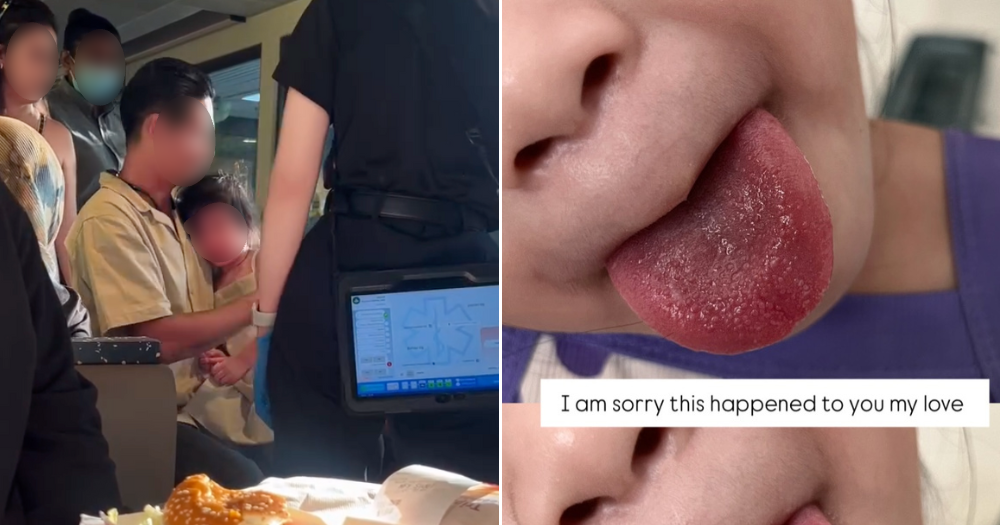
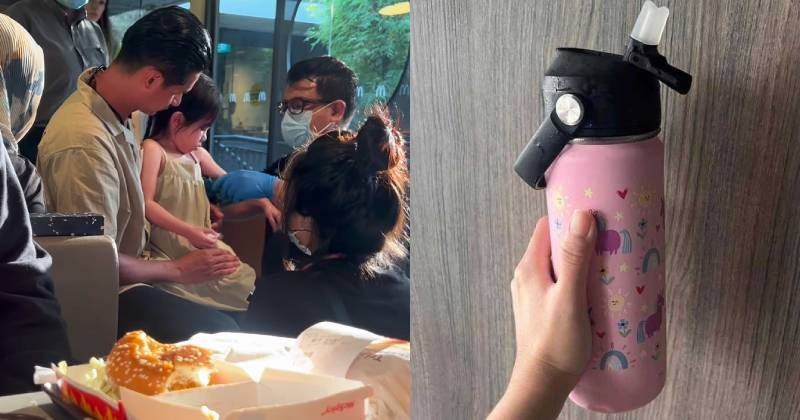
The insulated nature of the bottle meant there was no external indication of the temperature inside, and no verbal warning was given when it was returned. When the child took a sip, she immediately cried out in pain, prompting her parents to rush her to the hospital. While the girl is now in stable condition, the days following the incident were marked by difficulty eating and drinking, as well as signs of trauma, underscoring how quickly a simple misunderstanding can escalate into a serious medical emergency.
The Incident and Immediate Aftermath
Ridhuan Muhamad, 41, a former national footballer, recounted that the family had specifically asked for cold water to be filled into their daughter’s insulated bottle. However, a staff member misunderstood the request and filled the bottle with hot water instead. The area where the bottle was filled was not visible to customers, and there was no confirmation sought from the parents before the bottle was handed back. As a result, Muhamad assumed the request had been followed correctly.
Moments later, after his daughter took a sip, she began crying intensely due to the pain caused by the hot liquid. Recognising the severity of the situation, her parents immediately took her to the hospital, where doctors assessed and treated burns to her tongue. While no long-term complications have been publicly reported, Muhamad stated that his daughter struggled to eat and drink for several days following the incident, a particularly distressing experience for a child so young.
Beyond the physical injury, he noted that the experience had been traumatic for her, highlighting the psychological impact such incidents can have on children. In his public statements, Muhamad emphasised that the incident could have been prevented with clearer communication and basic verification.
Read : McDonald’s Loses Chicken “Big Mac” Trademark Battle Against Irish Food Chain
He described the mistake as a result of complacency and negligence, noting that no effort was made by staff to confirm the request or to warn that the water was hot. At the same time, he acknowledged that accidents can happen and stressed that the family was not placing full blame on the outlet. He openly stated that, as parents, they also bore some responsibility and had learned a painful lesson about the importance of double-checking what is given to children, even in familiar and trusted environments.
Public Reaction and Parental Concerns
The story quickly gained traction online after Muhamad shared it on Facebook on February 4, prompting an outpouring of reactions from parents and members of the public. Many expressed shock that such a mistake could occur in a major international food chain, particularly when a young child was involved. Others shared similar experiences or near misses, reinforcing concerns about how easily hot beverages or liquids can pose risks to children if proper safeguards are not in place.
Read : 80-Year-Old Customer Throws Hot Tea at McDonald’s Drive-Thru Worker Causing Burns
For many parents, the incident struck a nerve because it highlighted a common practice: asking food outlets to refill children’s bottles or provide water for young customers. Insulated bottles, while useful for maintaining temperature, can also conceal potential hazards if filled incorrectly. Without clear labelling, warnings, or confirmation, caregivers may unknowingly hand dangerous contents to children. The case has therefore prompted broader discussion about whether food outlets should have stricter protocols when handling customer-owned containers, especially those belonging to children.
Muhamad’s reflections resonated with many readers because he balanced criticism with accountability. He reiterated that the family never claimed the outlet was entirely at fault and acknowledged their own oversight. His message focused less on assigning blame and more on prevention, urging both parents and food service workers to be extra cautious. He described the experience as a painful reminder that even careful parents can face unexpected risks and that vigilance must extend beyond the home.
The incident has also raised questions about training standards for service staff, particularly in environments where both hot and cold items are handled regularly. Miscommunication, especially during busy hours, can have serious consequences when safety procedures are not strictly followed. For parents, the case has served as a reminder to personally check the temperature of drinks before handing them to children, regardless of assurances or assumptions.
McDonald’s Response and Broader Safety Implications
McDonald’s has acknowledged the incident and issued an apology to the family. As a goodwill gesture, the company offered 10 “Be Our Guest” cards, which allow customers to redeem complimentary meals. While such gestures are standard practice in service recovery, the company also stated that it is taking the matter seriously and reviewing the incident internally.
Read : 19-Year-Old Giovanni Primo Blount Arrested After Allegedly Double-Charging McDonald’s Customers
A spokesperson for McDonald’s said that the safety and well-being of customers is a top priority for the company. According to the statement, the restaurant team is reviewing service procedures and reinforcing the importance of clearer communication, particularly when handling hot items. This includes ensuring that staff confirm customer requests and provide explicit warnings when items are hot, especially if they are being poured into containers that may obscure temperature cues.
The case highlights broader safety implications for the food and beverage industry. In fast-paced service environments, small errors can have disproportionate effects, particularly on vulnerable customers such as children. Clear protocols, mandatory verbal confirmations, and visible indicators for hot liquids can significantly reduce the risk of similar incidents. Training staff to recognise when a request involves a child and to exercise additional caution in such cases is another potential safeguard.
Beyond the industry response, the incident has also contributed to public awareness about shared responsibility. While service providers have a duty of care, parents and caregivers are often the final checkpoint before a child consumes food or drink. The combination of clear communication from staff and active verification by parents is crucial in preventing accidents. Muhamad’s decision to share the story publicly reflects an effort to turn a distressing experience into a learning opportunity for others.
In the days following the incident, Muhamad reiterated that his goal was not to seek retribution but to encourage greater care. He expressed hope that food outlets would implement stricter checks and that parents would remain vigilant, even in situations that appear routine. His message underscored that sometimes the hardest lessons are the ones that lead to lasting change, particularly when they involve the safety of children.
As the girl continues to recover, the incident stands as a stark reminder of how everyday interactions can carry hidden risks. It has prompted renewed attention to food safety practices, communication standards, and the importance of caution when children are involved. While the immediate physical injuries may heal, the broader impact of the case lies in the conversations it has sparked and the preventive measures it may inspire across households and service industries alike.