
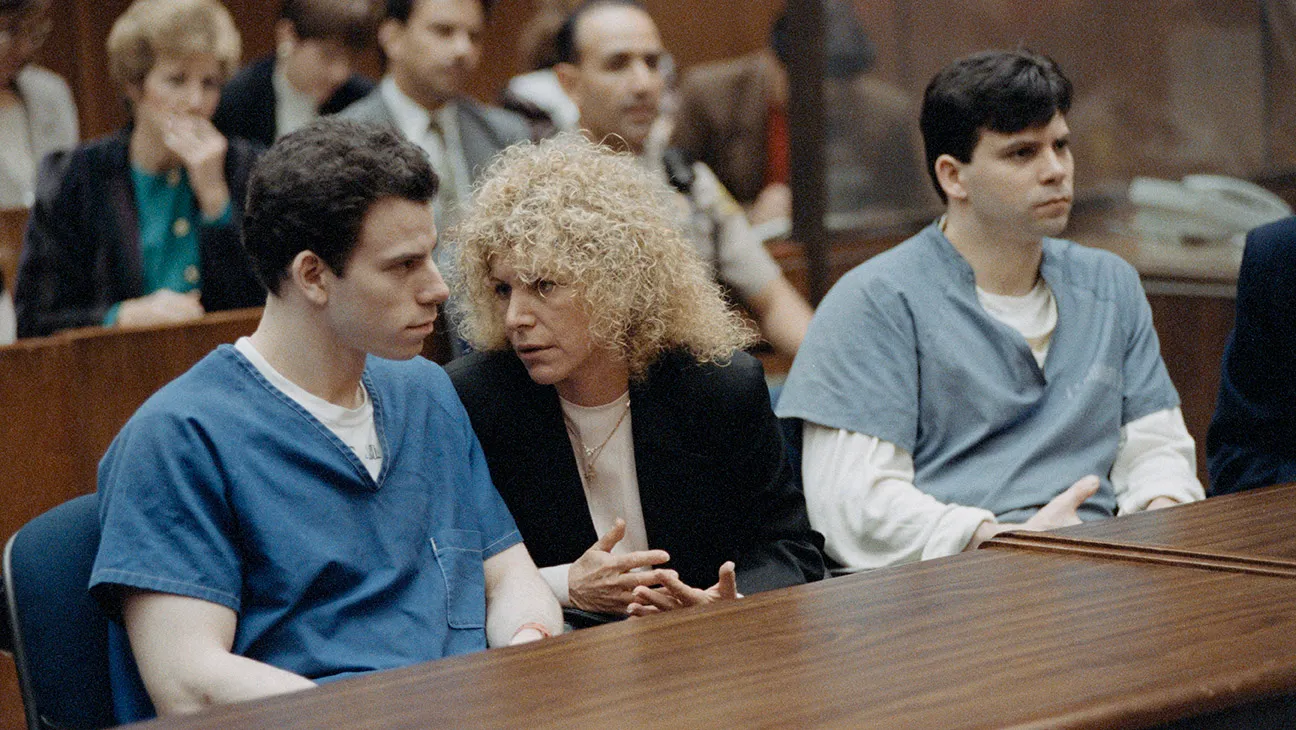
On August 21 and 22, 2025, Erik and Lyle Menendez faced separate parole hearings at the Richard J. Donovan Correctional Facility in San Diego, California, marking a pivotal moment in a case that has gripped public attention for over three decades. The brothers, convicted in 1996 for the 1989 shotgun murders of their parents, Jose and Kitty Menendez, in their Beverly Hills mansion, were denied parole by the California Board of Parole Hearings.
This decision, delivered after extensive hearings, extends their incarceration for at least another 18 months, with the possibility of requesting an administrative review in one year. The case, steeped in controversy over claims of abuse, questions of motive, and recent public support fueled by media portrayals, continues to spark debate about justice, rehabilitation, and redemption.
The Parole Hearings: A Rigorous Examination
The parole hearings for Erik and Lyle Menendez were conducted separately, with Erik’s hearing on August 21 lasting 10 hours and Lyle’s following on August 22. Held via videoconference, each session involved a panel of two to three commissioners who evaluated the brothers’ suitability for release based on factors such as their criminal history, prison conduct, expressions of remorse, and perceived risk to public safety.
The hearings were closed to the public, with strict media restrictions enforced by the California Department of Corrections and Rehabilitation, citing state regulations to ensure fairness and prevent misinformation. Only one pool reporter from the Los Angeles Times was permitted to observe, with reports released after the hearings concluded. During Erik’s hearing, commissioners scrutinized his prison record, particularly focusing on serious infractions, including his association with a prison gang known as the Two Fivers around 2013 and his use of illicit cellphones.
Commissioner Robert Barton described Erik’s behavior as “selfish,” suggesting it reflected a belief that rules did not apply to him. Erik admitted to using cellphones to connect with his wife, Tammi Menendez, and to access YouTube, music, and pornography, claiming the benefits outweighed the consequences. He also explained his gang involvement as a survival tactic in an “extremely violent yard,” where he feared for his safety after friends were attacked.
Despite his explanations, the panel concluded that these actions undermined his claims of rehabilitation, leading to a three-year denial of parole, with eligibility to reapply in 2028. Lyle’s hearing similarly addressed his use of illicit cellphones, with two recent infractions noted, including one in March 2025. Lyle argued that he used the phones to maintain private communication with his wife and family, believing correctional staff were leaking their conversations to tabloids. He minimized the impact of his actions, stating they did not significantly disrupt prison management.
Read : Unimaginable! Three Young Children Guide Police to Parents’ Murder-Suicide in Houston Home
However, Commissioner Julie Garland highlighted Lyle’s “antisocial personality traits,” such as deception and rule-breaking, which she believed persisted beneath his positive contributions. The panel also expressed concern over the brutality of the murders, particularly the killing of Kitty Menendez, which Garland described as “callous.” Lyle received a three-year denial as well, with the possibility of an earlier review in 18 months if an administrative request is granted.
Both hearings included testimony from over a dozen family members who advocated for the brothers’ release, emphasizing their remorse and transformation. Aunt Teresita Menendez-Baralt, Jose’s sister, spoke of her Stage 4 cancer diagnosis and her desire to see Erik and Lyle freed, stating she had forgiven them. Natascha Leonardo, Kitty’s great-niece, promised a supportive home for Erik in Colorado.
Despite this familial support, Los Angeles County District Attorney Nathan Hochman opposed parole, arguing that the brothers had not fully accepted accountability and dismissing their self-defense claims as “a litany of lies.” The parole board’s decisions, while preliminary, will undergo a 120-day review period, after which Governor Gavin Newsom has 30 days to approve, reject, or modify the outcome.
Rehabilitation and Contributions in Prison
Since their conviction in 1996, Erik and Lyle Menendez have spent nearly 30 years in prison, initially separated but reunited in 2018 at the Richard J. Donovan Correctional Facility. Their conduct behind bars has been a focal point in debates over their suitability for parole. Both brothers have pursued education, participated in self-help programs, and initiated projects to benefit their prison communities, which their supporters argue demonstrate significant rehabilitation.
Erik Menendez has been particularly active, co-founding programs such as Life Care and Hospice Connections, which provide support for terminally ill inmates, and Victim Impact & Victim Empathy for Vulnerable Populations, aimed at fostering empathy among prisoners. He also facilitates a Twelve Step Recovery and meditation class. His attorney, Mark Geragos, highlighted the hospice program as a pioneering effort in California’s prison system.
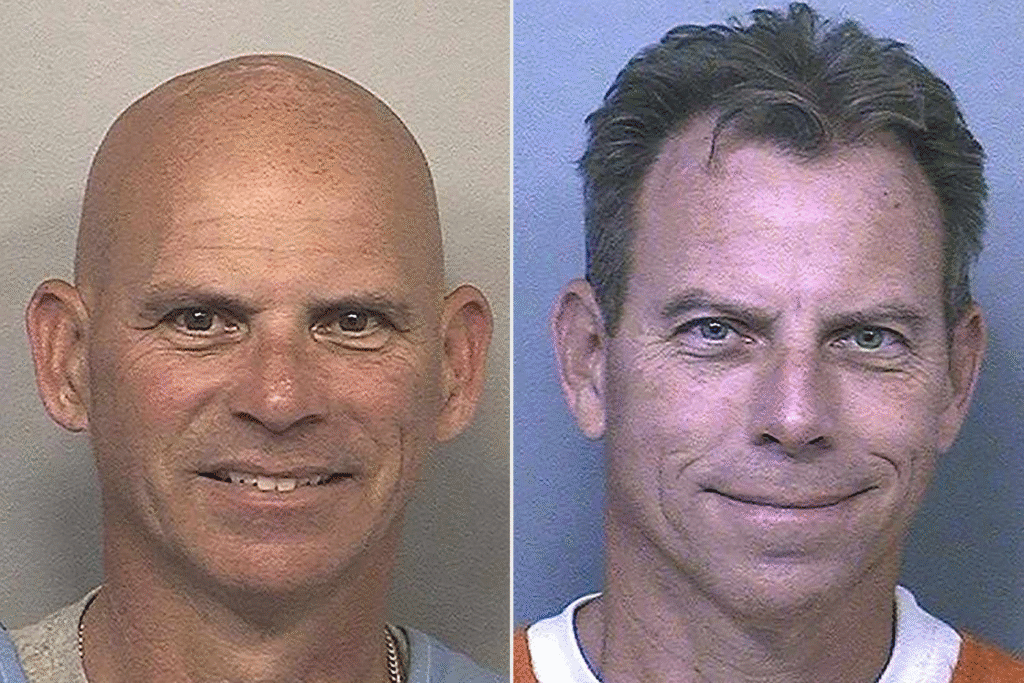
Erik’s supporters, including family and prison officials, have praised his dedication to helping others, with one prison official writing a letter of support—an unprecedented act in their 25-year career. Lyle Menendez has similarly contributed through initiatives like GreenSpace, a prison beautification project involving murals and landscape redesign, and a mentorship program for youth offenders serving life sentences.
He also created an inmate advisory bulletin to improve communication within the prison. These efforts were cited during his parole hearing as evidence of his commitment to positive change. However, the parole board remained concerned about both brothers’ infractions, particularly their use of illicit cellphones, which commissioners argued could facilitate dangerous activities like drug trafficking or coordinating attacks.
The brothers’ advocates, including former Los Angeles County District Attorney George Gascón, who recommended their resentencing in 2024, have emphasized their transformation. Gascón’s petition noted their educational achievements and support group involvement, arguing they have become “incredible assets” to their prison community. Yet, the parole board’s focus on their rule-breaking behavior and the severity of their original crime overshadowed these accomplishments, leading to the denial of parole.
Public Fascination and Evolving Perspectives
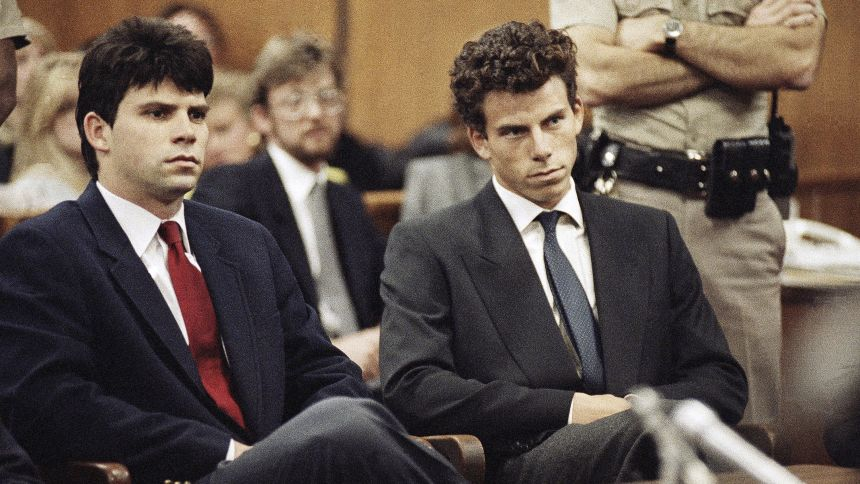
The Menendez brothers’ case has captivated the public since the 1989 murders, fueled by the sensational nature of the crime—a wealthy Beverly Hills family torn apart by violence—and the brothers’ claims of self-defense rooted in alleged sexual abuse by their father, Jose. The trials, broadcast live on Court TV in 1993, drew massive attention, with the defense arguing that years of abuse drove the brothers to act out of fear, while prosecutors contended the motive was greed for a $15 million inheritance.
The first trial ended in a mistrial due to deadlocked juries, but the second, in 1995, limited abuse-related testimony, resulting in their conviction for first-degree murder. Public interest was reignited in 2024 by Netflix’s “Monsters: The Lyle and Erik Menendez Story” and the documentary “The Menendez Brothers,” which brought fresh scrutiny to the case. The dramatization, while criticized by Erik for inaccuracies, sparked sympathy by highlighting the brothers’ abuse claims, bolstered by new evidence presented in a 2023 habeas corpus petition.
This evidence included a 1988 letter from Erik to his cousin detailing the alleged abuse and testimony from Roy Rossello, a former Menudo member, who claimed Jose Menendez assaulted him. These revelations prompted then-District Attorney Gascón to support resentencing, leading to a May 2025 decision by Judge Michael Jesic to reduce their sentences from life without parole to 50 years to life, making them eligible for parole under California’s youthful offender law.
Celebrity support has also played a role, with figures like actor Cooper Koch, who portrayed Erik in the Netflix series, and rapper X-Raided advocating for the brothers. Koch, who visited them in prison, expressed belief in their abuse claims, while X-Raided, a former inmate, described them as “big brothers.” Over 20 relatives, including Kitty’s sister, Joan Andersen VanderMolen, have publicly supported their release, arguing that societal understanding of male sexual abuse has evolved since the 1990s, when such claims were less accepted.
Despite this groundswell of support, opposition remains strong. District Attorney Hochman, who took office after Gascón, has consistently opposed resentencing and parole, citing insufficient accountability and dismissing the habeas corpus petition as legally inadequate. The parole board’s decision reflects this tension, balancing the brothers’ positive contributions against their past actions and recent infractions. Governor Newsom, who ordered a risk assessment in response to a clemency request, has indicated he will make a final decision by Labor Day 2025, avoiding media portrayals to maintain impartiality.
The Menendez brothers’ case remains a complex intersection of crime, trauma, and redemption. While their parole denials extend their time behind bars, the possibility of an administrative review in 18 months and ongoing clemency efforts keep their fate uncertain. For now, Erik and Lyle Menendez, now 54 and 57, continue to navigate a system that weighs their past against their potential for a future beyond prison walls, as the public watches a saga that shows no sign of fading from view.