

A routine vehicle repair turned into a criminal case and potential legal battle after a Tennessee dealership employee was accused of taking a customer’s car without permission and driving it to a local sports bar. The incident, which unfolded in Collierville near Memphis, has raised questions about trust, accountability, and internal oversight within automotive service departments. Law enforcement involvement, combined with allegations of misconduct and a looming lawsuit, has intensified scrutiny on both the employee and the dealership’s response to the situation.
According to police reports, the case began when a woman who had left her vehicle at a dealership for repairs discovered unexpected activity through her car’s tracking system. What followed was an investigation that led officers to a nearby establishment, where they found both the vehicle and the employee allegedly responsible. The case has since moved into the legal system, while public reaction has been fueled further by claims from the victim’s legal representative regarding the dealership’s conduct.
Timeline of Events Leading to the Arrest
The sequence of events began on December 10, when the vehicle owner dropped off her car at the Mercedes-Benz dealership in Collierville for routine service or repairs. For over a month, the vehicle remained under the dealership’s custody. It was not until January 17 that the situation took an unexpected turn. The owner reportedly received a notification from her vehicle’s tracking system indicating that the car had been moved, which immediately raised concern.
Acting on this alert, the woman contacted Memphis police to report the vehicle as stolen. The presence of a tracking device proved critical, allowing authorities to quickly identify the car’s location. Officers traced it to a sports bar identified as TJ Mulligan’s on Houston Levee Road in nearby Cordova. Upon arrival, police located the vehicle and began assessing the situation on-site.
During their investigation, officers encountered Derrick Nguyen, a service technician employed at the dealership. According to the arrest affidavit, Nguyen was found in possession of the vehicle’s key fob. Police also noted signs of intoxication and reported that Nguyen declined to answer questions without legal representation. These findings contributed to his arrest at the scene.
Read : Earth is Spinning Faster Than It Used To: Clocks Might Have to Skip a Second to Keep Up
Authorities charged Nguyen with theft of property valued between $10,000 and $60,000, a felony offense under Tennessee law. The charge reflects both the value of the vehicle and the seriousness of taking property without authorization. While the case will ultimately be decided in court, the initial evidence outlined in police documentation formed the basis for the criminal charge.
Legal Implications and Employer Responsibility
The arrest of a dealership employee in connection with alleged unauthorized use of a customer’s vehicle introduces several layers of legal complexity. On the criminal side, the charge of theft of property carries significant potential penalties, depending on the outcome of court proceedings. The prosecution must establish that the vehicle was knowingly taken without the owner’s consent and used for purposes unrelated to its intended service.
Read : Daycare Director Murielle Misczak Accused of Embezzling $2.75 Million in Tuition Payments
Beyond the criminal case, the incident also opens the door to civil litigation. The victim’s attorney has already indicated plans to pursue legal action, suggesting that the dealership itself may face liability. In such cases, questions often arise regarding negligent supervision, internal controls, and whether the employer took reasonable steps to prevent misuse of customer property.
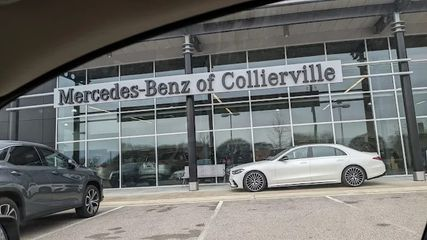
Employers in the automotive service industry are typically entrusted with high-value assets belonging to customers. This trust imposes a responsibility to ensure that vehicles are handled appropriately and only for authorized purposes. If an employee deviates from those expectations, the employer may still be held accountable under certain legal doctrines, particularly if systemic failures contributed to the incident.
The situation is further complicated by public allegations that the dealership may have downplayed the seriousness of the incident. Statements attributed to the victim’s lawyer suggest that the company’s response has become a point of contention. While such claims have yet to be tested in court, they have already influenced public perception and could play a role in shaping the broader legal dispute.
Public Reaction and Ongoing Developments
The case has generated significant attention, not only because of the unusual circumstances but also due to the reactions that followed. The victim’s attorney publicly criticized the dealership, alleging that it treated the situation lightly and even attempted to use it for marketing purposes. Such claims, shared on social media, have amplified scrutiny and raised concerns about how businesses handle incidents involving customer trust.

According to the attorney’s statement, there is also an assertion that the employee remained employed at the dealership after the incident and that the company was defending his actions. While these claims remain part of an ongoing dispute, they have added a layer of controversy that extends beyond the original allegation of unauthorized vehicle use.
The legal process is expected to continue, with a court appearance scheduled to determine the next steps in the case. This could include setting a trial date, reviewing evidence, and addressing both criminal and potential civil claims. As proceedings move forward, more details may emerge regarding what occurred, how the dealership responded internally, and whether additional parties could be held responsible.
Incidents of this nature often prompt broader discussions about safeguards within service operations. Customers rely on dealerships not only for technical expertise but also for the secure handling of their vehicles. Situations where that trust appears to be breached can have lasting effects on reputation and customer confidence. At the same time, legal outcomes depend on evidence presented in court and the ability of both sides to substantiate their claims.
The charges against Nguyen represent an initial step in that process, but they do not determine guilt. Similarly, allegations against the dealership will require legal examination before any conclusions are reached. As the case unfolds, it highlights the intersection of criminal accountability, corporate responsibility, and consumer trust. The resolution will likely influence not only those directly involved but also how similar situations are approached in the future by both businesses and their customers.