
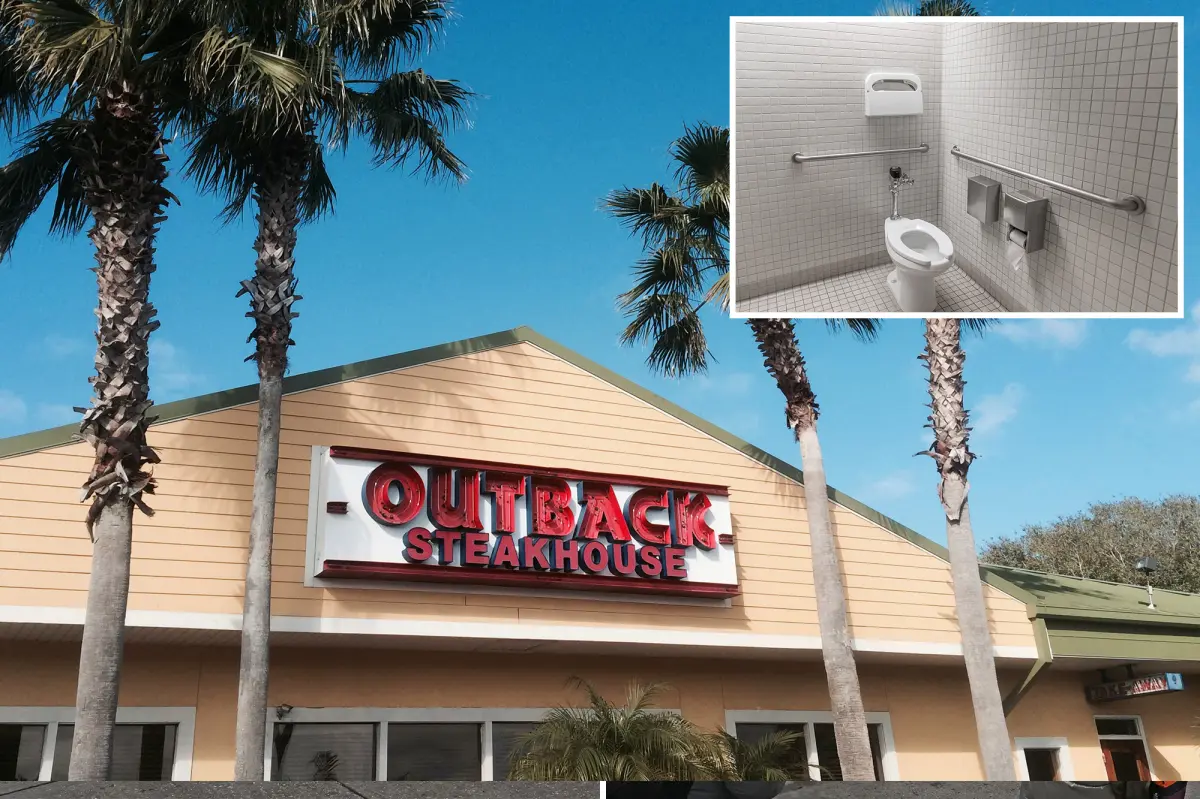
A lawsuit filed in Marion County, Florida, has drawn attention to an unusual but serious allegation involving a major restaurant chain. Michael Green, an Ocala resident, claims he suffered severe injuries after a toilet collapsed beneath him while he was using the restroom at an Outback Steakhouse location in the city.
The incident, which allegedly occurred in March, has now become the subject of a negligence lawsuit seeking damages in excess of $50,000. Beyond the personal injury claim itself, the case has emerged at a time when Outback Steakhouse and its parent company, Bloomin’ Brands, are undergoing significant operational and financial changes, adding broader context to the legal dispute.
Details of the Alleged Incident and Legal Claims
According to the complaint filed on December 9, Michael Green alleges that he was dining at the Outback Steakhouse in Ocala on March 26 when he went to use the restroom. The lawsuit states that he entered the handicap-accessible stall and sat down on the toilet, at which point the fixture allegedly “shattered and collapsed” beneath him. The sudden failure reportedly caused Green to fall, resulting in what his attorneys describe as severe bodily injuries.
The legal filing asserts that the toilet was not properly maintained or secured to the floor, a condition that the plaintiff argues created an unreasonable and dangerous hazard for customers. The lawsuit claims that Outback Steakhouse of Florida, LLC either knew or should have known about the defective condition of the toilet prior to the incident. It further alleges that the restaurant failed to inspect the restroom adequately, did not take corrective action to fix the issue, and did not warn patrons about the potential danger.
Green’s attorneys have framed the case as a straightforward negligence claim. In premises liability law, businesses that invite customers onto their property have a duty to maintain reasonably safe conditions. The complaint contends that this duty was breached through improper installation, inspection, or maintenance of the restroom fixture. By citing the alleged failure to ensure the toilet was securely fastened, the lawsuit focuses on a specific and preventable cause rather than an unforeseeable accident.
Read : 67-Year-Old Karla Walker Schindler Sues Royal Albert Hall After Breaking Hand in Balcony Fall
As a result of the fall, Green claims to have suffered significant injuries with long-term consequences. The filing reportedly references ongoing pain and suffering, medical expenses, lost wages, and a “significant and permanent loss of an important bodily function and/or permanent and significant scarring.” These claims are central to the damages being sought, which exceed $50,000, exclusive of interest and court costs.
Read : Two Women Sue Apple for Paying Female Employees Less Than Male Counterparts in the US
Outback Steakhouse and its parent company, Bloomin’ Brands, have not publicly commented on the lawsuit as of the time the complaint became public. Without a response from the company, the allegations remain unproven, and the case will likely hinge on evidence related to the condition of the restroom, maintenance records, and whether the restaurant had prior notice of any defect.
Premises Liability and Safety Expectations in Restaurants
The lawsuit against Outback Steakhouse highlights broader issues related to premises liability and customer safety in public establishments. Restaurants, like other businesses open to the public, are legally obligated to ensure that their facilities are safe for normal use. This responsibility extends beyond dining areas to include restrooms, entrances, walkways, and other parts of the premises that customers are reasonably expected to use.
In cases involving injuries from collapsing fixtures or structural failures, courts often examine whether the hazard was foreseeable and whether reasonable steps were taken to prevent it. A toilet collapsing under normal use can raise questions about installation standards, regular inspections, and maintenance practices. Toilets in commercial settings are typically designed to withstand frequent use and significant weight, making allegations of a fixture shattering and collapsing particularly serious from a safety perspective.
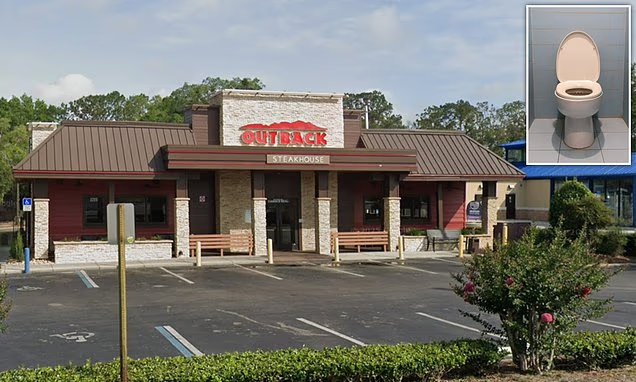
If Green’s claims are substantiated, the case could underscore the importance of routine inspections and prompt repairs in high-traffic commercial environments. Restrooms, though often out of sight from main dining areas, are critical components of customer experience and safety. Failure to maintain them properly can expose businesses to legal liability and reputational harm.
The case also illustrates how premises liability claims can involve injuries that are both physically and emotionally significant. Falls in restrooms can result in cuts, fractures, back injuries, and long-term complications, especially if sharp ceramic fragments are involved, as alleged in this instance. Claims of permanent injury or loss of bodily function can substantially increase the stakes of litigation, both in terms of potential damages and scrutiny of a business’s safety practices.
From a legal standpoint, the outcome will depend on factors such as whether the toilet was defective, whether the defect existed long enough that the restaurant should have discovered it, and whether Green’s use of the fixture was reasonable and foreseeable. Documentation, surveillance footage if available, witness statements, and expert assessments of the toilet’s installation and condition may all play a role as the case proceeds.
Outback Steakhouse’s Broader Challenges and Corporate Context
The timing of the lawsuit coincides with a challenging period for Outback Steakhouse as a brand. Founded in Tampa, Florida, in 1988, the Australia-inspired steakhouse chain once experienced rapid expansion across the United States. In recent years, however, the company has faced declining sales and reduced customer traffic, prompting a series of closures and strategic reassessments.
Bloomin’ Brands, the parent company of Outback Steakhouse, has shuttered multiple underperforming locations within a relatively short timeframe. Reports indicate that dozens of restaurants have closed, including 41 locations that were shut down earlier in the year, followed by additional closures in October. Company leadership has attributed these decisions to weak sales performance and broader economic pressures affecting casual dining.
Despite these setbacks, Bloomin’ Brands has emphasized that it is not abandoning the Outback brand. Instead, the company has announced plans to invest between $50 million and $75 million in a multi-year turnaround strategy. This plan reportedly focuses on improving steak quality, enhancing customer service, simplifying the menu, strengthening marketing efforts, and remodeling nearly all remaining locations. Approximately half of the investment is expected to go toward food quality improvements, with a significant portion allocated for implementation in 2026.
Within this context, a lawsuit alleging unsafe conditions at a restaurant location carries added significance. While a single premises liability case is unlikely to determine the fate of a national chain, such incidents can contribute to perceptions about operational standards and attention to detail. For a brand attempting to stabilize and rebuild, maintaining customer trust and ensuring safe, well-maintained facilities is a critical component of any turnaround effort.
The Ocala lawsuit also reflects how individual legal disputes can intersect with broader corporate narratives. As Outback Steakhouse works to remodel locations and improve overall quality, allegations of neglected maintenance may draw attention to the challenges of managing a large, geographically dispersed restaurant portfolio. Aging infrastructure, varying local management practices, and cost pressures can all influence how consistently safety standards are applied across locations.
At the same time, it is important to note that the allegations remain claims, not established facts. The legal process will determine whether Outback Steakhouse bears responsibility for the incident described by Green. Companies often contest such lawsuits, arguing that they exercised reasonable care or that the injury resulted from an unforeseeable failure.
Regardless of the outcome, the case serves as a reminder of the legal and operational risks faced by businesses in the hospitality industry. Customer safety, routine maintenance, and proactive risk management are not only regulatory and legal obligations but also essential elements of brand reputation. As the lawsuit moves forward, it will likely be watched both as an unusual personal injury claim and as a small but telling episode during a pivotal period for one of America’s most recognizable casual dining chains.