
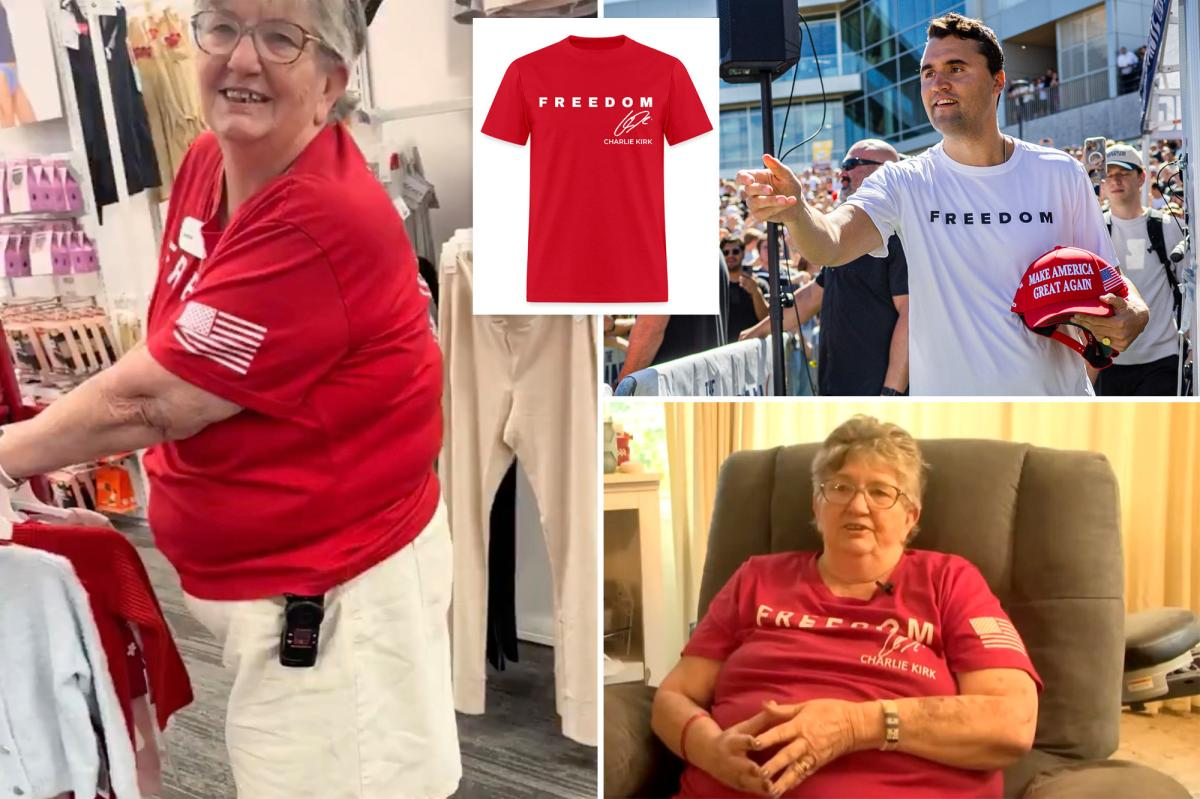
A brief confrontation inside a Target store in California has escalated into a nationally debated episode involving workplace conduct, political symbolism, online accountability, and viral outrage. The incident, which unfolded after a shopper filmed an elderly Target employee over a display of “Freedom” T-shirts, rapidly migrated from TikTok to mainstream media and fundraising platforms.
At the center of the controversy are Michelea Ponce, later identified as an employee of Enloe Health, and Jeanie Beeman, the older Target worker who became the subject of widespread public sympathy. What began as a few minutes of recorded confrontation has since produced professional consequences, online investigations, and competing narratives shaped by political affiliations and social media amplification.
The Target Store Confrontation and the Viral Video
The incident occurred inside a Target store in Chico, California, where Jeanie Beeman, an elderly employee, was filmed while working in the clothing section. Beeman was seen handling red “Freedom” T-shirts, a design that has been publicly associated with Turning Point USA founder Charlie Kirk. The shirts had gained renewed visibility after Kirk was photographed wearing a white version of the design shortly before his fatal shooting at Utah Valley University earlier this year, a separate tragedy that heightened the symbolic weight attached to the clothing.
In the video that circulated widely on TikTok, the individual filming Beeman repeatedly confronts her over the shirts and continues recording despite Beeman’s apparent discomfort and objections. The employee is heard being called “stupid” and “racist” during the exchange. The tone of the confrontation, combined with Beeman’s age and visible distress, quickly drew condemnation online. Viewers criticized the decision to film a retail worker who appeared to be performing her assigned duties rather than expressing a personal political stance.
BREAKING – Michelea Ponce, the woman who harassed an elderly Target employee, has been identified as a healthcare worker at Enloe Medical Center in Northern California and has shut down her social media pages.
— Right Angle News Network (@Rightanglenews) December 16, 2025
Call the hospital and demand to know if this behavior is acceptable. pic.twitter.com/B5zLCEq5S0
As the clip spread, internet users began identifying both individuals involved. The elderly Target worker was named as Jeanie Beeman, while the woman recording the encounter was identified as Michelea Ponce. The speed with which identities were attached to the video illustrates the contemporary dynamics of viral content, where anonymous moments can rapidly turn into personal and professional crises once names, employers, and personal histories enter public discourse.
Identification of Michelea Ponce and Response From Enloe Health
Following the identification of Michelea Ponce as the person filming and confronting Beeman, attention turned toward her professional life. Ponce was identified as an employee of Enloe Health, a healthcare provider based in Northern California. Online users began tagging Enloe Health in posts related to the video, demanding accountability and clarification regarding whether Ponce’s behavior aligned with the organization’s values.
Enloe Health subsequently confirmed that Ponce was employed by the organization and released a statement acknowledging awareness of the incident. The healthcare provider stated that the Chico Police Department was investigating the matter. While Enloe did not initially disclose details about Ponce’s employment status or any internal disciplinary actions, the acknowledgment signaled the seriousness with which the organization viewed the public reaction and the potential implications of an employee being linked to a viral confrontation perceived as harassment.
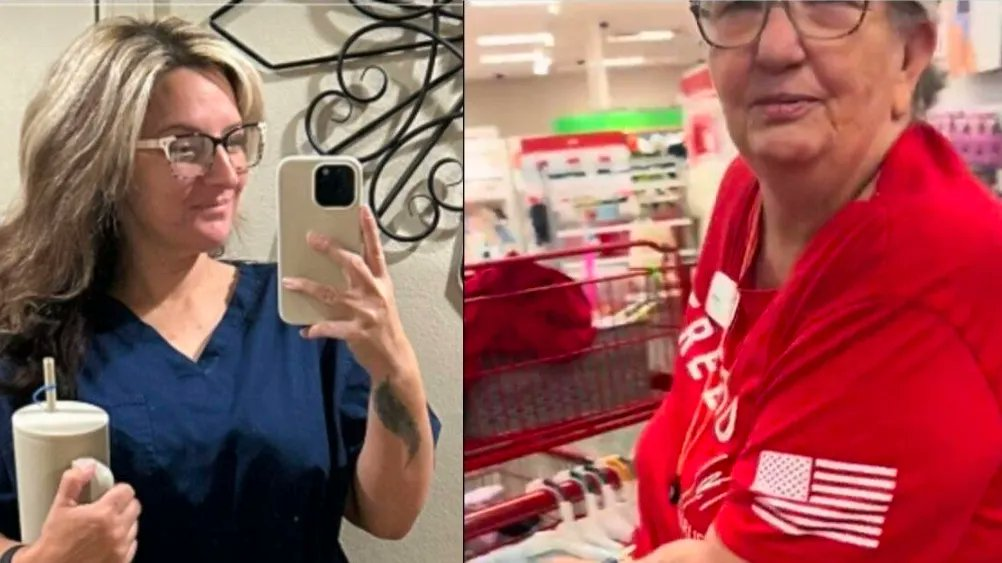
The episode underscores the increasingly blurred line between personal conduct and professional accountability in the digital age. Although the confrontation did not occur within a healthcare setting, the visibility of the video and its association with Ponce’s employer placed Enloe Health in the position of having to respond publicly. Healthcare professionals, in particular, are often held to high standards of conduct due to the nature of their work, and public perception can influence trust in institutions even when incidents occur outside the workplace.
Ponce herself has not issued a detailed public statement explaining her actions or addressing the language used in the video. As a result, interpretations of her motives have largely been shaped by the footage itself and by commentary from online users, media outlets, and political figures. This absence of a direct explanation has contributed to a polarized narrative, with critics viewing the confrontation as an example of harassment and defenders framing it as a political protest against the perceived symbolism of the “Freedom” shirt.
Jeanie Beeman, the GiveSendGo Campaign, and the Broader Political Fallout
As scrutiny intensified around Michelea Ponce, public attention increasingly shifted toward Jeanie Beeman. A GiveSendGo fundraising campaign was launched in Beeman’s name, describing her as an elderly Target employee who had been subjected to harassment while performing her job. The campaign’s language characterized the individual filming her as “unhinged” and emphasized Beeman’s vulnerability during the encounter. The stated goal of the fundraiser was to provide Beeman with a vacation, allowing her time to rest and recover from the stress and public attention generated by the viral video.
Read : 49-Year-Old Shawn Quinn Shot Dead by Neighbor While Allegedly Stabbing Girlfriend
The fundraiser quickly gained traction, with donations surpassing initial expectations and prompting organizers to raise the target amount. Supporters suggested that the funds could potentially assist Beeman with retirement, reflecting a broader sentiment that she should not have to continue working under such circumstances. The campaign was widely shared by conservative commentators and organizations, transforming Beeman into a symbolic figure within ongoing cultural debates over political expression, cancel culture, and the treatment of service workers.
Journalist Cassandra MacDonald reported that she had spoken directly with Beeman and her daughter, providing additional personal context that further fueled public sympathy. According to MacDonald, Beeman lost her husband to suicide 12 years ago and has since been committed to raising awareness about suicide prevention. This information, while not directly related to the Target incident, humanized Beeman in the eyes of supporters and reinforced the narrative of her as a resilient individual undeserving of public humiliation.
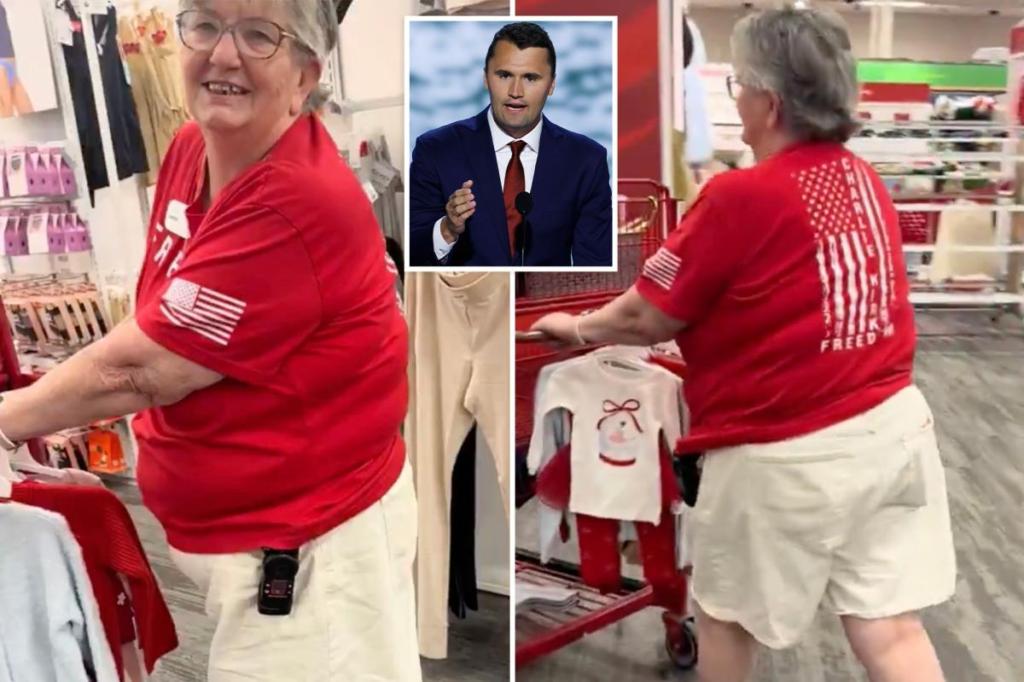
MacDonald also stated that Beeman was not facing disciplinary action from Target and that her manager was standing by her. This clarification countered speculation that Beeman might be punished for the presence of the shirts or for her reaction during the confrontation. Target itself has not publicly indicated that Beeman violated company policy, and the shirts in question were part of store merchandise rather than personal attire.
The incident attracted the attention of prominent conservative figures and organizations. Turning Point USA expressed public support for Beeman, with spokesman Andrew Kolvet stating that he wished to personally thank her and sharing the GiveSendGo link. Conservative commentator Benny Johnson also promoted the fundraiser, amplifying its reach across social media platforms. Tyler Bowyer went further, stating that he hoped to invite Beeman on stage at AmFest, a conservative political event, signaling her transformation from retail worker to political symbol.
What distinguishes this episode from many other viral confrontations is the way it intersected with broader ideological divides. For supporters of Beeman, the incident represented an unjust attack on an elderly worker over merchandise she did not design or promote personally. For critics of the fundraiser and its political backers, the episode raised concerns about the weaponization of viral moments to advance partisan narratives and financially reward individuals based on ideological alignment rather than the specifics of the encounter.
The controversy surrounding Michelea Ponce and Jeanie Beeman ultimately reflects the volatility of modern public discourse. A single interaction, recorded on a smartphone, became a flashpoint involving employment consequences, police attention, fundraising campaigns, and national political commentary.
For Ponce, the incident has meant intense scrutiny of her actions and professional identity. For Beeman, it has brought both unwanted attention and substantial public support. The episode serves as a case study in how quickly everyday interactions can escalate into enduring public controversies when filtered through the amplifying lens of social media and political polarization.
N1Bet Casino Test
References:
https://online-spielhallen.de/alles-zur-kings-casino-auszahlung-schnell-sicher-und-transparent/
I’d like to thank you for the efforts you’ve put in writing this website.
I really hope to see the same high-grade content from you later
on as well. In truth, your creative writing abilities has inspired me to get my own, personal
website now 😉
I’m gone to telol my little brother, that he should also visit this webpage on regular basis to get updated from most up-to-date news update.