
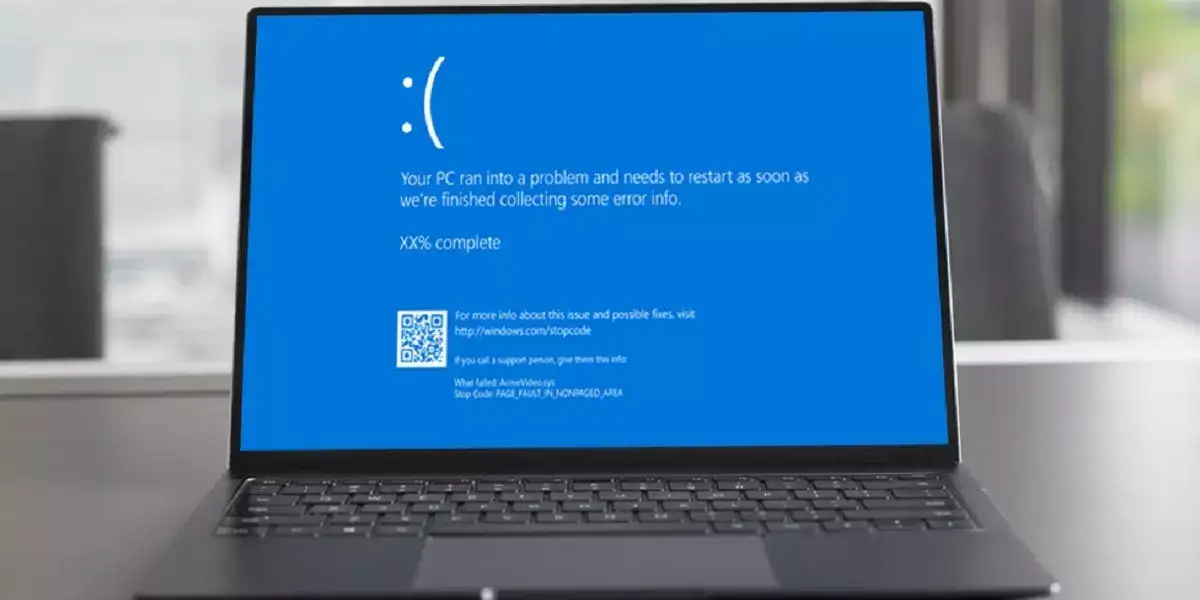
For nearly four decades, the Blue Screen of Death (BSOD) stood as a hallmark of frustration for Windows users worldwide. Often appearing at the most inconvenient moments, the screen signaled a critical system error, leaving users staring at a cryptic message on a blue background with no immediate solution in sight.
But now, Microsoft is finally bidding farewell to this infamous icon. In a dramatic move reflecting its evolving focus on user experience and cyber resilience, Microsoft has announced it will replace the BSOD with a sleeker, more informative black screen of death. This shift is not merely cosmetic—it represents a fundamental change in how system errors are handled and communicated in the Windows ecosystem.
The decision comes at a time when the world is increasingly dependent on digital infrastructure, and any disruptions—even brief ones—can result in massive economic and operational consequences. Microsoft’s new recovery-focused system aims to minimize downtime, clarify error messaging, and offer quicker paths to recovery. With this update, the company hopes to make system crashes less confusing, less frequent, and far less painful for users and IT departments alike.
The Blue Legacy: A History of the Infamous Screen
The Blue Screen of Death was born out of necessity during the early days of Microsoft Windows. First appearing in the early 1990s, the BSOD was created by developers as a way to communicate critical system errors that prevented the operating system from running safely. At the time, such transparency was necessary, especially for system administrators and developers, who needed technical information to diagnose and fix underlying hardware or software issues.
Initially, the BSOD was a plain blue screen filled with lines of white text. It displayed hexadecimal codes, memory addresses, and technical descriptions of the fault. While this might have been useful for advanced users, for the average consumer it often provoked confusion, helplessness, and even fear.
Over time, Microsoft made some efforts to improve the BSOD’s presentation, adding QR codes and simplified messages with Windows 8 and Windows 10. However, the core experience—abrupt interruption and a sense of doom—remained largely unchanged.
Read : Steve Ballmer: Once Bill Gates’ Assistant, Now Richer Than Bill Gates
Despite the dread it induced, the BSOD became iconic. It even became part of pop culture, appearing in memes, internet jokes, and even during major tech presentations and public displays where Windows-powered devices would crash for all to see. The BSOD wasn’t just a technical tool; it became a symbol of the perils of computing in a modern world.
CrowdStrike Crash: The Final Nail in the Blue Screen’s Coffin
Microsoft’s decision to overhaul the BSOD experience was accelerated by one of the most significant system failures in recent history. Nearly a year ago, a faulty update from cybersecurity firm CrowdStrike triggered a global outage that affected millions of Windows systems. The scale of the disruption was staggering. Airlines, hospitals, emergency services, and banks—essential services operating on Microsoft platforms—were brought to a standstill. An estimated 8.5 million systems crashed, and companies lost billions in productivity and operational costs.
This catastrophic incident highlighted the urgent need for more resilient system recovery mechanisms. For Microsoft, it served as a wake-up call. In the wake of the fallout, the tech giant vowed to strengthen its cybersecurity posture and streamline how Windows handles critical system failures. David Weston, Microsoft’s vice president of enterprise and OS security, acknowledged the lessons learned in a blog post and emphasized the importance of building faster, more transparent recovery tools for users.
The transition away from the BSOD is part of this broader initiative. The black screen that will now replace the blue one aims to reduce disruption during unexpected restarts. More importantly, it introduces features such as “quick machine recovery,” a new mechanism for helping PCs that can’t restart successfully. For many users, the shift will mean faster restarts—sometimes within just two seconds—compared to the long waits and uncertainty that often followed a BSOD incident.
The New Era: From Despair to Clarity and Recovery
While the color of the screen might seem like a superficial change, Microsoft’s redesign represents a deeper philosophical shift in how the company views system errors. The new black screen of death is designed not only to be visually different but to be functionally superior. It focuses on clarity, conciseness, and quick remediation—attributes sorely lacking in the BSOD experience.
Weston explained in an interview with The Verge that the new screen will offer better diagnostic information, clearly distinguishing between issues caused by Windows itself and those stemming from third-party components. This distinction is critical for IT professionals and end users alike, allowing faster identification and resolution of problems without the ambiguity of the past.

Furthermore, Microsoft’s “quick machine recovery” mechanism is set to transform how non-bootable systems are handled. Instead of the dreaded experience of staring at a frozen screen and being forced to perform time-consuming diagnostics or reinstalls, users may now benefit from an automated process that gets their machine back online with minimal input.
This feature, which will roll out to all Windows 11 24H2 devices later this summer, could be a game-changer in reducing system downtime and enhancing user confidence.
The update also reflects Microsoft’s broader strategy to simplify the Windows interface and make the user experience more intuitive. For years, the company has been working to modernize its platform, remove legacy bloat, and create a more seamless integration across its ecosystem of apps and services. The BSOD’s removal is just the latest in a series of updates aimed at aligning the Windows experience with modern expectations.
The Road Ahead for Microsoft and Windows Users
The end of the Blue Screen of Death marks a symbolic turning point in the evolution of Windows. It signals not only the closure of a frustrating chapter in the history of computing but also Microsoft’s renewed commitment to resilience, transparency, and user-centric design. While there will undoubtedly be nostalgia among long-time users—who perhaps remember their first BSOD as a rite of passage into tech troubleshooting—the practical benefits of the new system far outweigh any sentimental value.
More than just a new color scheme, the black screen of death embodies Microsoft’s broader commitment to modernizing its operating systems and supporting a more robust digital infrastructure. As our world becomes increasingly dependent on uninterrupted digital access, the tolerance for system downtime is shrinking rapidly. Businesses and consumers alike demand reliability, speed, and clarity—especially when things go wrong.
By redesigning how Windows communicates errors and handles crashes, Microsoft is not just replacing a visual element—it’s rewriting a fundamental aspect of user interaction with its software. This new chapter will be defined not by cryptic codes and dead-end screens, but by streamlined recovery, actionable insights, and faster resolution.
As Windows 11 24H2 rolls out and the black screen becomes the new standard, the BSOD will fade into memory—a relic of an earlier era in computing. And for most users, that’s not just welcome news. It’s long overdue.