
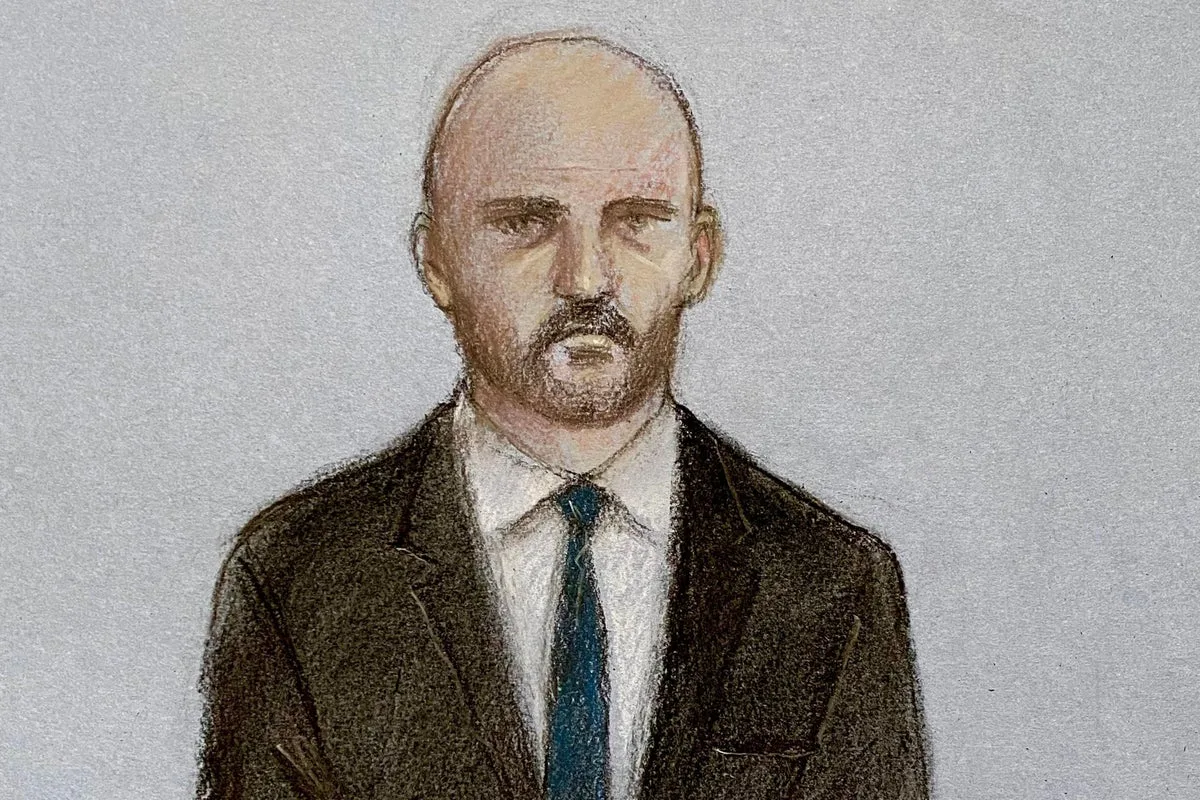
A 33-year-old man from Wrexham has been jailed for 14 years after admitting to assisting and encouraging suicides by selling a lethal substance online to vulnerable individuals. Miles Cross pleaded guilty to four counts of assisting or encouraging suicide following an investigation that linked his activities to the deaths of two people.
Police have described Cross as a “predator” who deliberately targeted individuals experiencing suicidal ideation, exploiting their vulnerability for financial gain and directing them through online spaces designed to normalise and escalate self-harm. The case has been described by North Wales Police as unprecedented within the force, both for the nature of the offending and for the way digital platforms were used to facilitate it.
The sentencing at Mold Crown Court followed a complex, multi-force investigation that exposed how Miles Cross established an online operation to supply a substance capable of causing death, charging £100 per package. His actions, police said, went beyond passive supply, extending to encouragement and guidance that amplified risk. The case has raised serious concerns about the role of online forums, cross-border digital infrastructure, and the ease with which harmful networks can reach people in crisis.
A calculated online operation targeting vulnerable individuals
Investigators said Miles Cross set up what amounted to a clandestine business using an internet discussion forum, operating under a pseudonym that concealed his real identity. Through this forum, individuals seeking information about suicide methods were able to contact him directly. Payments of £100 were made into Cross’s personal bank account, after which the substance was sent through the post. The packaging and distribution were deliberately discreet, enabling the transactions to pass undetected until links were made following a death.
Assistant Chief Constable Gareth Evans of North Wales Police said the offending was marked by its deliberate targeting of people with suicidal ideation. Miles Cross, he explained, had no personal connection to those he supplied. Instead, he sought out individuals at what police described as “the lowest time of their lives,” using online anonymity to present himself as a facilitator. The financial aspect of the operation was a critical aggravating factor, demonstrating that Cross profited from the distress of others.
Financial and digital forensic inquiries played a central role in establishing the scale of the offending. By analysing how much of the substance Miles Cross had purchased and comparing it with what remained in his possession, investigators concluded that four packages had been distributed. Each was sold for £100, and police were able to trace payments back to his bank account.
Read : Nurse Heather Thompson Fatally Shoots Two Sons and Grandmother in Quadruple Murder-Suicide
This accounting process allowed officers to determine how many people were potentially at risk and to prioritise efforts to locate recipients before harm occurred. Crucially, police said Miles Cross did not simply supply the substance. After completing the sale, he directed buyers via a QR code to an online forum based in the United States.
Read : If You Are Looking for Peace of Mind, These Ten Natural Havens Are for You
There, individuals were exposed to discussions that normalised suicidal behaviour and, according to investigators, encouraged them to continue along a path toward self-harm. This additional step, prosecutors argued, demonstrated active encouragement rather than mere facilitation, strengthening the case for multiple counts of assisting or encouraging suicide.
The investigation and its human consequences
North Wales Police became involved after a referral from Thames Valley Police, which had been investigating a suicide within its own force area. During that inquiry, officers identified that a lethal substance had been used. Financial checks revealed a payment trail leading back to Cross in north Wales. This discovery triggered a broader investigation aimed at identifying how many packages had been distributed and whether further lives were in immediate danger.
Assistant Chief Constable Evans said the initial priority was safeguarding. Once Cross was identified as the supplier, investigators focused on locating anyone who had purchased the substance and intervening before it could be used. This involved coordination with other police forces, the National Crime Agency, and communications regulators. The urgency of this work reflected the real and immediate risk posed by the substance already in circulation.
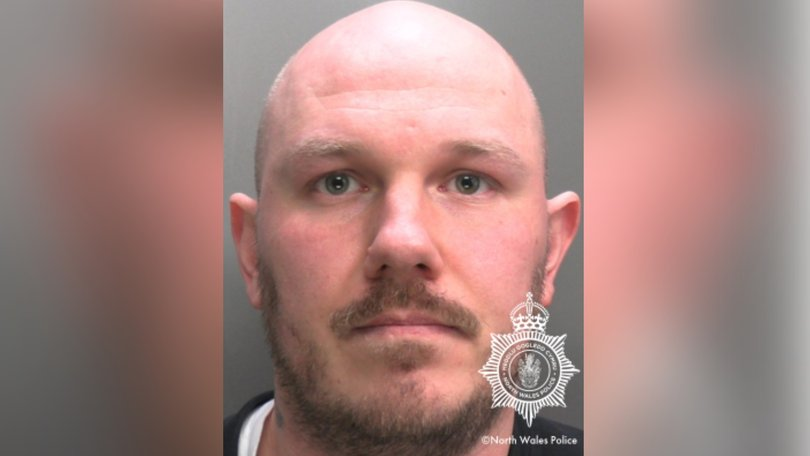
Two people died after using the substance supplied by Cross. Police were careful to emphasise the profound impact of these deaths on families and friends, acknowledging the grief and trauma left behind. Evans said it was essential to recognise this harm when considering the seriousness of the offending, noting that the consequences extended far beyond the courtroom.
One further victim, who purchased the substance but did not use it, provided testimony that proved significant. She told investigators that she felt preyed upon by Cross, describing interactions that left her feeling pressured rather than supported. Her survival, police said, offered a message of hope, illustrating that intervention and support can make a critical difference even after contact with harmful networks.
The investigation also highlighted the challenges posed by digital platforms operating across jurisdictions. The forum Cross used to direct buyers was hosted in the United States, complicating efforts to disrupt access. However, through cooperation with the National Crime Agency and Ofcom, police were able to restrict the forum’s accessibility from the UK. While this did not eliminate the broader issue of harmful online spaces, authorities said it demonstrated that coordinated action can reduce exposure and risk.
Wider implications for policing, online safety, and prevention
Police described the case as unique in their experience, not only because of the nature of the crime but also because of the explicit exploitation involved. Unlike cases where assistance may occur within personal relationships, Cross deliberately sought out strangers in distress. This, Evans said, marked a disturbing shift in how vulnerability can be monetised through digital anonymity.
Read : Martha Jo Blake Accused of Suffocating 97-Year-Old Mother After Assisted Suicide Denied
The case has prompted renewed calls for vigilance around online forums that discuss suicide and self-harm. While some spaces are intended to provide peer support, others can become environments where harmful ideas are reinforced. The ease with which Cross embedded himself in such networks, while remaining anonymous, underscores the difficulty of policing online harm without stifling legitimate discussion. It also raises questions about platform responsibility and the need for proactive moderation.
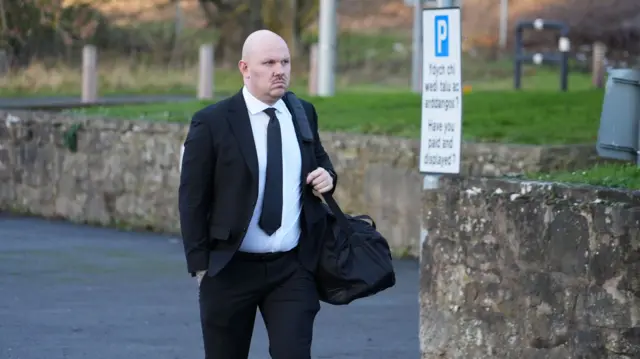
From a legal perspective, the 14-year sentence reflects the gravity with which courts view offences of assisting or encouraging suicide, particularly where financial gain and multiple victims are involved. Prosecutors argued that Cross’s actions were sustained, deliberate, and calculated, justifying a substantial custodial term. The sentence is intended not only to punish but also to deter others who might seek to exploit vulnerable individuals in similar ways.
Law enforcement leaders have emphasised that the case should also serve as a warning to those experiencing suicidal thoughts about the risks of seeking information from unregulated online sources. Evans urged anyone affected by the details of the case to seek help from specialist support organisations such as Samaritans, stressing that trained professionals can offer safe and confidential assistance. He warned against relying on online forums where predators may operate under the guise of support.
The investigation has reinforced the importance of early intervention, cross-force cooperation, and digital literacy in preventing harm. By tracing financial transactions and monitoring online activity, police were able to limit the scope of the offending and prevent further deaths. However, officers acknowledged that the case exposes gaps that can be exploited by determined individuals, particularly when technology enables rapid and discreet communication.
As authorities continue to grapple with the evolving landscape of online harm, the case of Miles Cross stands as a stark example of how vulnerability can be targeted with devastating consequences. It also illustrates the potential for coordinated policing and regulatory action to disrupt such activity, even when it crosses national borders. The lives lost remain central to the case, serving as a reminder of the real human cost behind digital crimes that might otherwise remain hidden.
Yo! Dudoanxsmbkubet, huh? Gotta check this one out. Hope it’s better than the last one I tried. Wish me luck! Check it out for yourself dudoanxsmbkubet!
I am glad to be one of several visitants on this outstanding site (:, thankyou for posting.