
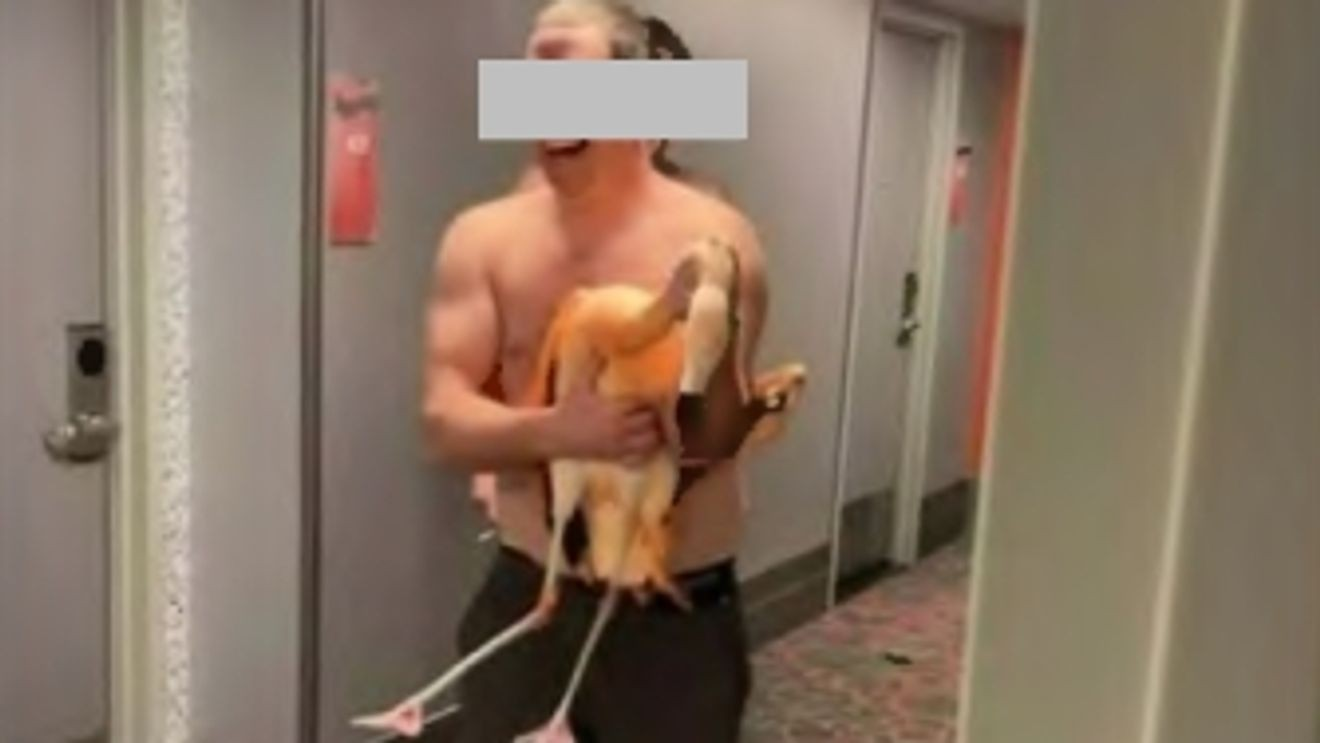
A quiet early morning on the Las Vegas Strip turned into a disturbing incident when a Canadian tourist was arrested after allegedly entering a hotel wildlife habitat and harming several animals. The suspect, identified as Mitchell Fairbarn, a 33-year-old man from Ontario, Canada, now faces multiple charges related to the alleged torture and injury of animals kept for public display and enjoyment. Authorities say the incident occurred at the Flamingo hotel, a well-known resort whose name and identity are closely tied to the colorful birds that live in its outdoor habitat.
According to investigators, security cameras captured footage of a man entering the restricted area before sunrise and grabbing one of the flamingos, later identified as a bird named Peachy. The Flamingo hotel’s wildlife habitat has long been considered one of the quieter attractions on the busy Las Vegas Strip. Visitors often stop to observe flamingos, pelicans, koi fish, turtles, and other animals that live in landscaped ponds and enclosures within the property.
Because the habitat is accessible to guests during normal hours, it is generally designed to be both inviting and carefully monitored. The alleged break-in, however, occurred during the early morning hours when the habitat was not meant to be accessed by the public. Police reports suggest the suspect entered the enclosure at approximately 5 a.m., when few people were present and the animals were largely unattended by visitors.
Investigators later reviewed security footage that allegedly shows the suspect entering the habitat and interacting with the birds. Authorities say the footage shows him grabbing one of the flamingos and struggling with it while other birds nearby were injured or distressed during the encounter. Flamingos are delicate animals with long legs and sensitive wings, and any physical handling can easily lead to injury. Police stated that several birds appeared to have been pinned down or harmed during the incident as the man attempted to remove one from the habitat.
The flamingo taken from the enclosure was reportedly carried away by the suspect and brought back to a hotel room. According to police statements cited in local reports, officers later discovered evidence inside the room that indicated the bird had been injured, including a large bloody feather and other materials. The discovery prompted further investigation into what exactly had happened after the animal was removed from the habitat. The suspect reportedly told officers that he believed the bird was in distress and claimed he attempted to help it by manipulating its wing.
Read : Wildlife Officials in the U.S. Are Planning to Kill 450,000 Barred Owls to Save Spotted Owls
The case has quickly drawn attention not only because of the unusual nature of the alleged crime but also because the Flamingo hotel’s wildlife habitat has been a longstanding attraction associated with the property. Flamingos have been part of the resort’s identity for decades, and many guests visit the habitat specifically to see the birds. The allegations therefore raised concerns about animal safety, visitor behavior, and how such habitats can be protected from individuals who attempt to interfere with the animals.
The Early Morning Incident at the Flamingo Habitat
According to investigators, the incident unfolded in the early hours of the morning when security cameras captured a man entering the Flamingo hotel’s wildlife habitat area. The footage reportedly shows the suspect approaching the birds and grabbing one of them, later identified by staff as a flamingo named Peachy. During the encounter, several other birds were allegedly injured or distressed as the suspect attempted to capture the animal.
Flamingos are social birds that typically move and rest in groups, and sudden disturbances can create chaos within a flock. Authorities say the footage indicated that multiple birds were pinned down or hurt while the man attempted to restrain Peachy. Flamingos rely heavily on their wings and legs for balance and movement, and rough handling can easily cause fractures or dislocations. Veterinarians later examined the animals and confirmed that some had been injured during the encounter, though reports indicated they were expected to recover.
Read : Man Shot Multiple Times While Trying to Break Up Fight on Christmas Morning in DeKalb County
After grabbing the bird, the suspect allegedly left the habitat and returned to a hotel room within the resort. Police later searched the room and found evidence suggesting the bird had been injured. Among the items recovered was a large feather stained with blood, which investigators believe may have come from the flamingo. Authorities also noted other materials that suggested the bird had been handled or treated in the room.
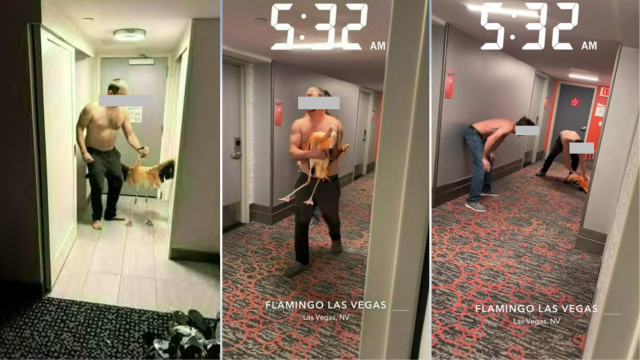
During questioning, the suspect reportedly told police he believed the flamingo’s wing had been dislocated and claimed he attempted to “pop” it back into place. According to police statements, he said this was a common practice with birds such as ducks and claimed his knowledge came from growing up in a farming environment. Investigators did not accept the explanation as justification for the alleged actions, and the claim did little to reduce the seriousness of the accusations.
Wildlife experts generally warn against attempting to treat injured animals without professional training. Birds, especially species like flamingos, have delicate skeletal structures that require careful handling by veterinarians or trained wildlife staff. Attempting to manipulate a wing or joint without proper knowledge can worsen injuries rather than fix them. For that reason, hotels and wildlife habitats typically rely on trained animal care teams to manage any health issues among the animals.
The Flamingo hotel’s habitat is maintained by professionals who monitor the birds’ health and behavior. When animals appear injured or sick, staff members usually consult veterinarians who specialize in avian care. Authorities therefore questioned why the suspect attempted to intervene on his own rather than notifying hotel staff if he truly believed the bird was injured.
Investigation, Arrest, and Criminal Charges
Following the incident, law enforcement officers were called to investigate what had occurred inside the Flamingo hotel’s habitat. Security footage reportedly played a key role in identifying the suspect and determining how the incident unfolded. Police tracked the individual seen on the video and eventually located him within the hotel.
Mitchell Fairbarn, a 33-year-old tourist from Ontario, Canada, was taken into custody and later transported to the Clark County Detention Center. Authorities charged him with four counts related to torturing, maiming, or killing an animal kept for companionship or pleasure. These charges reflect laws designed to protect animals that are kept in zoos, habitats, or other environments intended for public viewing or enjoyment.
During court proceedings, a Las Vegas judge described the alleged actions as extremely concerning. Animal cruelty laws in many jurisdictions are taken seriously, particularly when the animals involved are part of a public exhibit or habitat. The charges filed against Fairbarn indicate that investigators believe multiple animals may have been harmed during the encounter, not just the flamingo that was removed from the habitat.

The court ordered that Fairbarn be held on bail set at $12,000. Bail conditions are intended to ensure that a suspect returns for future court appearances while allowing temporary release under specific terms. At the time of the initial hearing, it was not immediately clear whether the suspect planned to contest the charges or what legal arguments might be presented in his defense.
Cases involving harm to animals in public habitats often draw public attention because such animals are considered part of shared community attractions. The Flamingo hotel’s birds, for example, are not only part of the property’s branding but also a popular feature for visitors who stop to watch them during their stay. Incidents involving interference with the animals therefore raise questions about both legal responsibility and public behavior in shared spaces.
Law enforcement officials emphasized that the charges stem from evidence gathered during the investigation, including the security footage and items recovered from the hotel room. The legal process will ultimately determine whether the suspect is found guilty or innocent of the allegations. Until then, the case remains under review within the Clark County court system.
Animal Care, Habitat Protection, and Ongoing Recovery
While the legal process moves forward, attention has also turned to the animals affected by the incident. According to hotel representatives, the injured birds have been receiving treatment from veterinarians and animal care specialists. Early reports indicated that the animals were recovering from their injuries and were expected to continue improving with proper medical care.
Flamingos require specialized care due to their unique physical characteristics. Their long legs and delicate wings make them vulnerable to injury when handled improperly. Even minor stress or rough contact can cause damage that takes time to heal. Veterinary teams therefore monitor injured birds carefully to ensure that fractures, ligament injuries, or internal trauma are properly addressed.
The Flamingo hotel’s wildlife habitat includes more than just flamingos. The area is home to several species of exotic waterfowl, brown pelicans, and a variety of fish such as sturgeon, koi, and albino catfish. Turtles, local songbirds, and native hummingbirds are also part of the ecosystem within the landscaped environment. Maintaining the safety of such a diverse collection of animals requires constant monitoring and careful management by trained staff.
Incidents like this often prompt discussions about how wildlife habitats can be protected from unauthorized access. While many hotel habitats are designed to feel open and welcoming to visitors during normal hours, they typically rely on surveillance cameras, security patrols, and restricted access areas to protect animals after closing. The early morning timing of this incident suggests the suspect entered the habitat when it was not intended to be open to guests.
Animal welfare advocates frequently emphasize the importance of respecting boundaries when visiting wildlife displays. Even when animals appear calm or approachable, they remain vulnerable to stress and injury if disturbed by humans. For this reason, most habitats include clear signage instructing visitors not to touch, feed, or attempt to interact physically with the animals.
The recovery of the injured birds remains a priority for the hotel’s animal care staff. Veterinarians continue to monitor their condition and provide treatment as needed. Hotel representatives have indicated that the animals are receiving proper care and are gradually returning to normal activity levels within the habitat.
The case involving Mitchell Fairbarn has also sparked renewed attention to the role of surveillance and staff oversight in public animal exhibits. Hotels and resorts that maintain wildlife habitats often invest heavily in ensuring the animals’ safety, both to meet ethical standards and to protect a unique attraction that guests value. The outcome of the investigation and legal proceedings may influence future decisions about security and access controls within such environments.
References:
Expekt casino
References:
https://postheaven.net/selfsleep3/best-tor-casinos-online-gamble-with-100-anonymity
References:
Drugs for muscle growth
References:
https://www.k0ki-dev.de/michalgustafso
References:
Western lotto max
References:
https://schoolido.lu/user/blousejune3/
References:
Long term effects of anabolic steroids
References:
http://vereinigte-emsdetten.de/Archiv/index.php/;focus=STRATP_com_cm4all_wdn_Flatpress_29136885&path=&frame=STRATP_com_cm4all_wdn_Flatpress_29136885?x=entry:entry220425-122813%3Bcomments:1
References:
Steroid cutting cycle
References:
https://galleryauxburg.com/en/BLOG/index.php/;focus=STRATP_com_cm4all_wdn_Flatpress_51982244&frame=STRATP_com_cm4all_wdn_Flatpress_51982244?x=entry:entry250708-195027%3Bcomments:1