
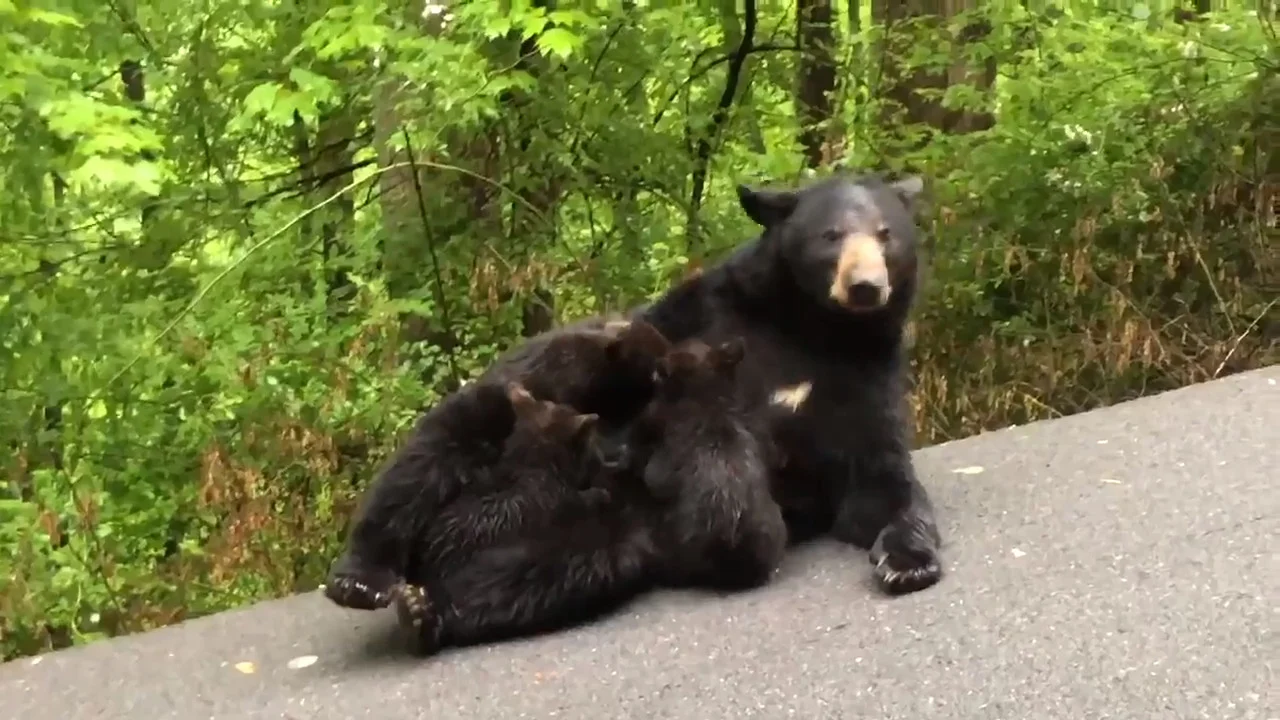
The quiet mountain forests of Miyagi Prefecture became the scene of a tragic and deeply unsettling incident in December when an elderly hunter lost his life under harrowing circumstances. Mitsuo Kato, an 89-year-old resident of Sendai City, was found dead while checking traps he had set in a familiar forested area of Yamato Town. What authorities believe to have been a routine inspection turned fatal when a bear, inadvertently caught in a snare trap intended for wild boars, attacked him.
The case has drawn renewed attention to the growing risks associated with human and wildlife interactions in rural Japan, particularly amid reports of an unusually high number of bear sightings and encounters this year. Kato was discovered collapsed in a mountain forest shortly after 8 a.m. on December 20, with severe injuries to his head and body. Emergency responders later confirmed his death, and police determined the cause to be traumatic shock, consistent with a bear attack.
Nearby, a bear was found restrained by a wire snare, its right front paw caught but allowing it enough freedom of movement to remain highly dangerous. The animal was subsequently exterminated by authorities due to the threat it posed. Investigators believe Kato was attacked while attempting to check or manage the trap, unaware of the immediate danger posed by the injured and agitated bear. The incident has resonated across the region, raising difficult questions about hunting practices, wildlife management, and the changing behavior of bears in Japan’s mountainous regions.
The Circumstances Surrounding the Fatal Encounter
According to local police and reports from NHK One, the bear involved in the attack had become caught in a snare trap designed for wild boars and deer. Such traps use wire loops to restrain an animal’s limb and are typically anchored to nearby trees. While regulations are in place to reduce the likelihood of bears being caught in these devices, the system is not infallible. In this case, the bear’s paw became trapped, but it retained the ability to move within the radius allowed by the wire, estimated to be about four meters in length.
Isao Asai, head of the Kurokawa branch of the Miyagi Prefectural Hunters Association and commander of the Yamato Town Bird and Animal Damage Control Team, was among the first to reach the site. He described a chaotic scene in which the bear, still partially mobile, had apparently knocked Kato to the ground before climbing a tree. The distance between the trap’s anchor point and where Kato fell was approximately two meters, placing him well within the bear’s reach.
Near the scene, authorities found several items linked to Kato, including a sign bearing his name that identified him as the person who set the trap. Also recovered were a spear-like device used to administer electric shocks to wild boars and a knife, suggesting that Kato was prepared to deal with a trapped animal. However, a bear caught in a snare presents a far greater and more unpredictable danger than the animals such traps are intended to capture.
Read : Top Ten Most Famous Cartoon Characters Around the World
Police have stated that Kato likely believed he was dealing with a routine situation when he approached the trap. Bears caught in snares can exhibit extreme stress and aggression, particularly when injured. The combination of the animal’s size, strength, and desperation can quickly turn fatal, even for experienced hunters.
Rising Bear Encounters and Environmental Factors
The fatal attack has occurred against a backdrop of increasing bear activity across Miyagi Prefecture and other parts of Japan. According to hunting association officials, this year has seen an unusually large number of bears venturing into areas where humans are active. Experts attribute this trend to environmental factors, including food shortages in the mountains and milder weather conditions.
Asai noted that a lack of natural food sources has likely driven bears closer to human settlements and hunting zones. Additionally, the absence of snow in some areas has delayed or prevented bears from entering hibernation, extending the period during which encounters can occur. When bears remain active later into the year, the chances of accidental confrontations rise significantly.

Japanese authorities have long grappled with balancing wildlife conservation and public safety. Bears are protected under certain regulations, but when they pose an imminent danger to human life, extermination is permitted. In rural regions like Yamato Town, hunters play a critical role in managing animal populations and preventing damage to crops and property. However, incidents like this highlight the inherent risks faced by those who undertake such work, particularly elderly hunters who continue to operate well into advanced age.
The Miyagi Prefectural Hunters’ Association has emphasized that snare traps are designed with safeguards to minimize unintended captures. Regulations limit the diameter of the trap’s tube to a maximum of 12 centimeters, making it difficult for animals with large paws, such as bears, to become ensnared. Despite these measures, mistaken captures do occur, underscoring the limitations of current systems.
Hunting Practices, Safety Concerns, and Community Impact
The death of Mitsuo Kato has sent shockwaves through the local hunting community, where he was widely respected as a senior member. Masaru Ota, head of the hunters’ association branch to which Mitsuo Kato belonged, expressed deep sorrow over the incident, describing it as an unfortunate accident. He noted that Kato was originally from Yamato Town and was intimately familiar with the terrain, often traveling from Sendai City to set traps in areas he knew well.
Mitsuo Kato was the oldest member of his branch and frequently accompanied other hunters into the mountains. Colleagues remembered him as a gentle and supportive figure who looked after younger members and shared his experience generously. His death has prompted renewed discussion within the association about safety protocols, particularly for checking traps alone.

Unlike box traps, which confine animals within a metal enclosure, snare traps allow for a degree of movement that can be extremely dangerous if the trapped animal is a large predator. While box traps are typically used for bears, their deployment is more complex and resource-intensive. Snare traps remain common for controlling wild boar and deer populations, which have caused significant agricultural damage in many parts of Japan.
In the aftermath of the attack, authorities have reiterated the importance of caution when approaching traps, especially in areas known to be frequented by bears. Some experts have called for additional training, improved communication systems, and stricter guidelines for elderly hunters who may face increased physical risks. Others argue that broader environmental solutions are needed, including better forest management and measures to restore natural food sources for wildlife.
For the residents of Yamato Town and surrounding communities, the incident serves as a stark reminder of the unpredictable nature of living alongside wildlife. While hunting and animal control are integral to maintaining balance in rural areas, they carry inherent dangers that cannot be fully eliminated. The loss of an experienced hunter like Mitsuo Kato has left a profound sense of grief and reflection, not only for those who knew him personally but also for a region grappling with the evolving challenges of human-wildlife coexistence.
As investigations continue, authorities are focusing on understanding the precise sequence of events that led to the fatal encounter. While the evidence points clearly to a bear attack, officials hope that lessons learned from this tragedy can help prevent similar incidents in the future. For now, the community mourns the loss of a respected elder whose life ended while carrying out work he had done for decades, in service of protecting both land and livelihoods.
I saw rr88h1 get mentioned in an article. I’m curious to give this site a try… Here is the link: rr88h1