
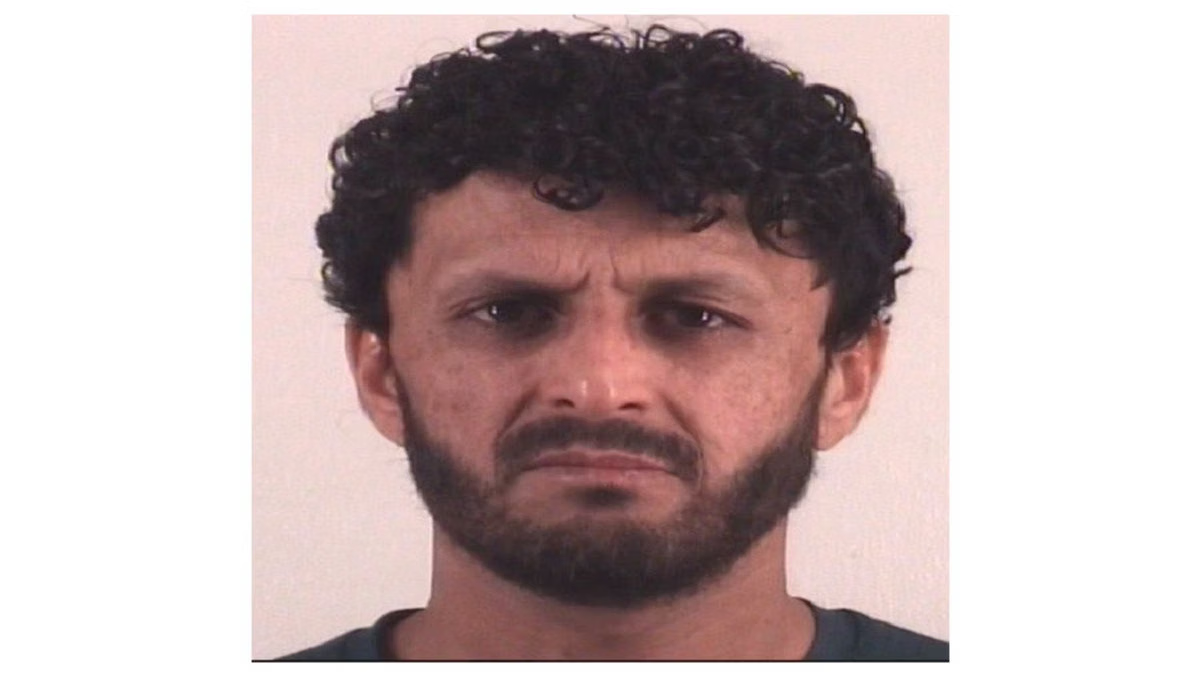
The arrest of Afghan national Mohammad Dawood Alokozay in Fort Worth has intensified national scrutiny on immigration vetting and security risks linked to the U.S. evacuation and resettlement programs following the Afghanistan withdrawal. Authorities allege that Alokozay posted a video online suggesting he was building a bomb and intended to target a location in the Fort Worth area, prompting a swift response from state and federal agencies.
His detention came just one day before another Afghan national admitted to the United States through the same resettlement initiative allegedly shot two National Guard members in Washington, D.C. The close timing of the two incidents fueled public debate and political reactions surrounding the Biden-era Operation Allies Welcome program, under which both men arrived in the country. As more details emerge, the case of Alokozay raises questions about oversight gaps, the handling of high-risk individuals, and inconsistencies in local reporting records.
Arrest and Investigation Details
According to statements from Tricia McLaughlin, Assistant Secretary at the Department of Homeland Security, authorities were alerted after Mohammad Dawood Alokozay posted a TikTok video in which he appeared to be assembling an explosive device. The video reportedly made direct reference to a target in the Fort Worth area, prompting immediate investigative action. The Texas Department of Public Safety, in coordination with the FBI’s Joint Terrorism Task Force, arrested Alokozay on Tuesday and charged him at the state level with making a terroristic threat. DHS confirmed that Immigration and Customs Enforcement lodged a detainer following his arrest, underscoring federal interest in the case.
Mohammad Dawood Alokozay was taken into custody at an apartment complex where investigators say he made the video that triggered the emergency response. He is being held at the Tarrant County Corrections Center. County records show a booking entry under his name, but the inmate listing identifies his race as “White,” a discrepancy noted by independent journalists after DHS publicly confirmed that Alokozay is an Afghan national. Local law enforcement has not yet explained how this classification error occurred or whether it may be corrected as the case proceeds.
Authorities have not publicly detailed the extent of the materials seized during the arrest, nor have they confirmed whether any explosive components were recovered from the premises. The investigation into whether Mohammad Dawood Alokozay had the capability or intent to carry out an attack remains ongoing.
BREAKING: An Afghan national was arrested this week after posting a video of himself on TikTok indicating he was building a bomb with an intended target of the Fort Worth area, according to DHS.
— Fox News (@FoxNews) November 29, 2025
Mohammad Dawood Alokozay is charged at the state level with making a terroristic… pic.twitter.com/Dmbmtp3gNs
At this stage, his charges reflect the communicated threat rather than an attempted bombing. In Texas, a terroristic threat charge encompasses a broad range of conduct including threats to commit violence causing public fear or disruption. If convicted, he could face significant state penalties, and federal charges could be added depending on the findings of the broader inquiry.
Connection to Operation Allies Welcome and the Washington, D.C. Shooting
One of the most politically sensitive aspects of the case is Mohammad Dawood Alokozay’s immigration background. Officials confirmed that he entered the United States on September 7, 2022, under Operation Allies Welcome, a program initiated during the Biden administration to resettle Afghan allies after the U.S. military withdrew from Afghanistan in 2021. The program was designed to evacuate vulnerable Afghans, including those who assisted the U.S. military, government, and intelligence community during the two-decade conflict.
Alokozay’s case gained additional public attention because of its proximity to another high-profile incident involving an individual admitted under the same program. Just one day after Alokozay’s arrest in Fort Worth, authorities in Washington, D.C. reported that Rahmanullah Lakanwal, another Afghan national also resettled through Operation Allies Welcome, shot two National Guard members near the White House grounds. One of the victims, Guard member Sarah Beckstrom, later died from her injuries, while the other, Andrew Wolfe, remains in critical condition.
According to emerging reports, Lakanwal had previously assisted the CIA and served in an agency-backed unit within Afghanistan’s military structure before entering the United States. The timing of the two incidents — one involving a bomb threat and the other a shooting of military personnel — has generated significant political backlash and raised concerns among security analysts.

Critics argue that the background screening process for evacuees may have been insufficiently rigorous amid the urgency of the 2021 evacuation. Supporters of the program counter that the majority of Afghan evacuees have posed no threat and that these cases may represent isolated incidents rather than systemic failure. However, the public and political reaction intensified after the White House issued statements acknowledging national security concerns linked to the current administration’s immigration policies.
White House Press Secretary Karoline Leavitt directly addressed the matter, accusing the prior administration of failing to prevent risks associated with the large-scale resettlement. She stated that the past four years had produced a security crisis and emphasized President Donald Trump’s directive to identify and remove individuals posing threats.
Following the D.C. shooting, the Trump administration halted all asylum decisions temporarily, citing concerns stemming from the incident. While this moratorium does not directly affect Alokozay, it reflects the broader national response and the heightened scrutiny now placed on Afghan arrivals and asylum applicants.
Broader Implications and Emerging Questions
The arrest of Mohammad Dawood Alokozay highlights several complex issues relating to immigration policy, national security, and the practical challenges of vetting large-scale resettlement populations. One immediate concern is the accuracy and reliability of information collected during the resettlement process. Operation Allies Welcome was executed rapidly under crisis conditions, with tens of thousands of Afghans relocated in a short timeframe.
Security agencies conducted background checks using available biometric and intelligence databases, but gaps remain due to the limitations of Afghan record-keeping and the chaotic nature of the evacuation. In the cases of both Alokozay and Lakanwal, investigators are now examining whether earlier warning signs existed and whether additional screening measures might have prevented these incidents.
Read : 13-Year-Old Afghan Boy Survives Perilous 94-Minute Flight in KAM Air Wheel Well from Kabul to Delhi
The local inconsistency in Tarrant County’s inmate record — listing Alokozay as “White” despite DHS identifying him as Afghan — also raises questions about administrative accuracy and communication between agencies. While recording errors are not uncommon in large detention systems, the discrepancy drew national attention because it contradicts official federal statements and may complicate public understanding of the case.

Observers argue that accurate demographic information is essential in cases involving terrorism-related charges, particularly when national security narratives are actively shaping the public discourse. The political ramifications are equally significant. The Trump administration has used both the Fort Worth arrest and the D.C. shooting to emphasize what it characterizes as failings in the previous administration’s immigration approach.
Calls for stricter vetting, enhanced monitoring, and revisions to refugee and parole programs are expected to intensify. On the other hand, the incidents have also prompted discussions about the treatment and integration of Afghan evacuees. Many arrived after years of serving U.S. military and intelligence efforts, and advocacy groups caution against broad generalizations that may stigmatize entire communities based on isolated criminal actions.
From a law-enforcement perspective, Alokozay’s case underscores the role of online platforms in identifying threats. The initial report arose from a TikTok video, demonstrating how digital activity can trigger real-world investigations. Agencies increasingly monitor social-media content for early signs of radicalization or dangerous behavior, though such monitoring raises privacy considerations and resource challenges.
In this instance, the swift arrest by the Texas Department of Public Safety and the FBI’s Joint Terrorism Task Force suggests that the system can respond quickly when credible threats surface. The coming weeks are likely to bring additional clarity about the nature of Alokozay’s threat, the materials involved, and his motivations. Federal and state investigators will examine whether he acted alone, whether he had ties to extremist ideology, and whether mental-health concerns may have played a role.
They will also determine whether further charges, including federal terrorism counts, are appropriate based on the evidence collected. Meanwhile, his detention at the Tarrant County Corrections Center remains in effect, and ICE’s detainer ensures that federal authorities maintain custody interest regardless of the outcome of state proceedings.
The parallel investigation into the D.C. shooting by Lakanwal will remain part of the national conversation, given the shared immigration pathway and the severity of the attack. As details continue to emerge, policymakers are preparing for renewed debate over the structure and oversight of resettlement programs, especially those involving individuals from conflict zones who may have limited documentation. Government agencies may also face pressure to review internal databases, update procedural safeguards, and reassess cooperative frameworks between federal and state partners.
The Alokozay case has already become a focal point in broader immigration and national-security discussions. It is likely to remain under close public watch as authorities release further information and determine the full extent of the threat he posed to the Fort Worth community.
Kralbet Partner… this seems like an affiliate link. Wonder what deals they’re offering. Let’s see if it’s worth the click! Potentially lucrative promotions here: kralbetpatner