
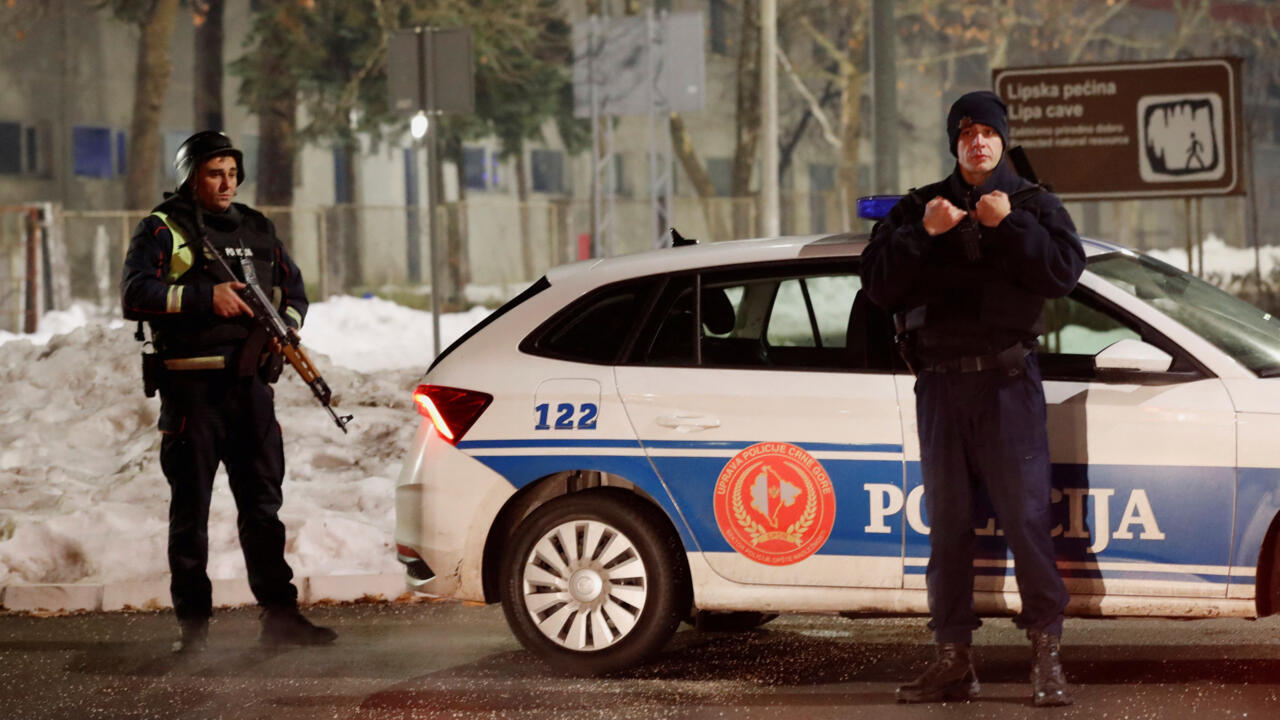
The tranquil town of Cetinje in Montenegro was rocked by a horrific shooting rampage that left 12 people dead, including two children, and four others injured.
This tragic incident has plunged the nation into mourning and drawn attention to issues of gun culture and violence in the small Balkan country. The gunman, Aco Martinović, a 45-year-old local resident, ended his own life while surrounded by police after the deadly spree.
The Shooting Rampage That Shattered a Community
Cetinje, a picturesque town located about 30 kilometers northwest of Montenegro’s capital, Podgorica, became the epicenter of national grief and shock following the massacre.
The sequence of events began in a bar where Martinović had been drinking with others. What started as a bar brawl escalated into a devastating spree of violence when Martinović returned home, armed himself, and launched a shooting attack at the bar.
The first victims were the bar owner and their children, who were fatally shot on the premises. Martinović then left the bar and continued his rampage at three additional locations, targeting both acquaintances and strangers.
Read : Tesla Cybertruck Explode Outside Trump’s Las Vegas Hotel: Watch
Among the victims were members of his own family, highlighting the deeply personal and tragic nature of his actions. The attack, which occurred around 5:30 p.m. on Wednesday, left a trail of devastation in its wake.
The Gunman’s Final Moments
After the shooting spree, Martinović fled the scene, prompting an intensive manhunt. Special police units were dispatched, and roads in and out of Cetinje were blocked as law enforcement swarmed the area. Martinović was eventually located by police, and a standoff ensued. Realizing he was surrounded, he ended his life by shooting himself in the head.
Read : NATO Rejects Polish Proposal to Shoot Down Russian Missiles Over Ukraine
Authorities later confirmed that Martinović succumbed to his injuries while being transported to a hospital in Podgorica. Interior Minister Danilo Šaranović remarked on the tragedy, describing Martinović as an individual whose rage and brutality made him more dangerous than organized criminal elements.
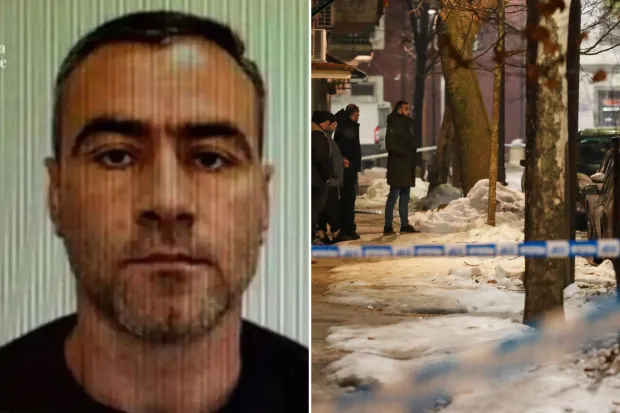
The nation’s grief was compounded by revelations about Martinović’s past. He had a history of violent behavior and had previously been convicted of illegal weapons possession. Despite this, he had avoided severe punishment, with his latest conviction still under appeal at the time of the shooting.
National Mourning and Reflection
In the wake of the tragedy, Montenegro’s government declared three days of national mourning. Flags were flown at half-mast, and public events were canceled as the nation grappled with the enormity of the loss. Prime Minister Milojko Spajić expressed his sorrow, calling the incident a “terrible tragedy” that would leave an indelible mark on the nation.
President Jakov Milatović also expressed his deep shock and sadness. Writing on the social media platform X, he lamented the loss of innocent lives and acknowledged the profound impact the tragedy had on the country, especially during what should have been a festive holiday season.
This was not the first such tragedy in Cetinje. In 2022, another mass shooting claimed the lives of 10 people, including two children, before the perpetrator was killed by a passerby. These incidents have reignited debates about gun control and the prevalence of firearms in Montenegro, a country with a rich gun culture where many citizens possess weapons.
The Need for Change
The shooting has underscored the need for stronger measures to address gun violence and mental health in Montenegro. While gun ownership is deeply ingrained in the country’s culture, there is growing recognition that stricter regulations and enforcement are necessary to prevent future tragedies. The government faces mounting pressure to implement reforms that balance tradition with public safety.
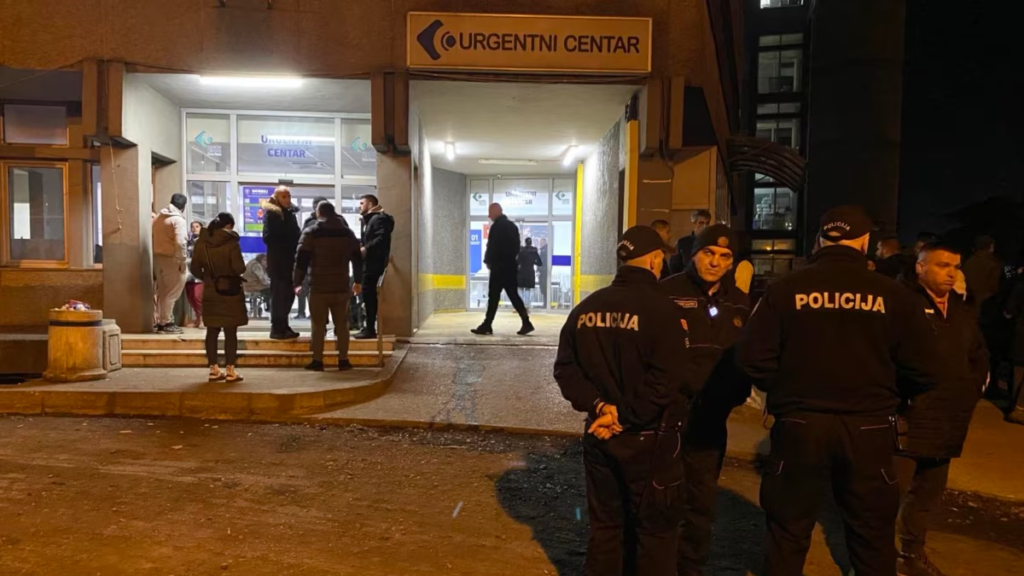
Montenegro’s small population of 620,000 has been left reeling by the back-to-back mass shootings in Cetinje. Communities are calling for greater support systems to address issues of violence, mental health, and the availability of firearms. The challenge lies in respecting cultural practices while ensuring the safety and security of citizens.
The Cetinje tragedy serves as a stark reminder of the devastating impact of unchecked rage and the dangers posed by individuals with a history of violent behavior. As the nation mourns the loss of 12 innocent lives, it must also confront the systemic issues that allow such tragedies to occur.