
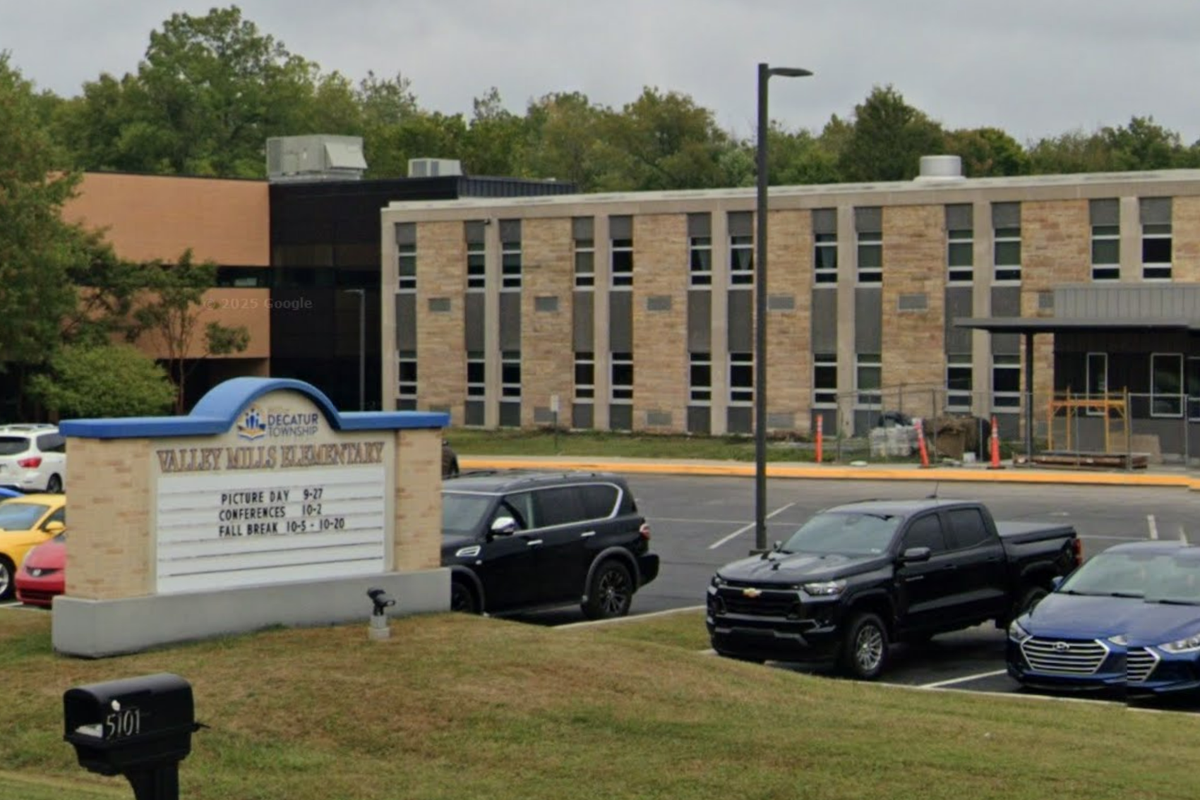
On April 9, 2025, an alarming incident unfolded at Valley Mills Elementary School in Indianapolis, Indiana, when Carrie Rivers, a 48-year-old mother, arrived on campus armed with a handgun to confront her daughter’s sixth-grade teacher.
The confrontation stemmed from Rivers’ objection to a classroom assignment that she believed promoted same-sex relationships. After escalating the situation with threatening messages, Rivers was arrested and charged with felony possession of a firearm on school property and misdemeanor harassment.
This case has ignited debates about parental rights, school safety, and the treatment of LGBTQ+ educators, highlighting tensions in Indiana’s educational landscape.
The Incident at Valley Mills Elementary School
The events began when Carrie Rivers, upset over an assignment given to her daughter, entered Valley Mills Elementary School around 10:20 a.m. to withdraw her child for homeschooling. According to court documents, Rivers told police the assignment involved “same-sexuality relationships,” which she felt was inappropriate for her sixth-grade daughter.
The teacher, who is openly lesbian and displays a family photo with her wife on her desk, clarified that the assignment was about flags. It included examples of country and state flags, as well as a rainbow Pride flag with the words “Be Kind” displayed in the classroom. After Carrie Rivers expressed her concerns, the teacher exempted her daughter from completing the assignment, but this did not quell Rivers’ anger.
Decatur Township School Police were called to the school after staff activated a silent alarm about an “irate parent.” Upon arrival, officers noticed a holstered firearm on Rivers’ waistband. Officer Tabetha Emenaker removed the gun, and Rivers admitted she was carrying it, claiming she forgot to leave it in her car because she “always wears it.”
Read : Payne Family of Five Found Dead in Indiana Home with Gunshot Wounds
Carrie Rivers also used a homophobic slur against the teacher during the confrontation and accused her of pushing a personal agenda. Despite being escorted off the property without immediate arrest, Rivers’ actions took a darker turn later that day.
Threats and Legal Consequences
Within 25 minutes of leaving the school, Rivers sent threatening messages to the teacher via the school’s ParentSquare messaging system.
The messages included statements like, “Say ur prayers and kiss ur kids goodbye and goodnight u never know when god says its our time so be prepared,” and accused the teacher of being a “child predator” who promotes same-sex relationships to “precious innocent kids.”
Rivers also referenced the teacher’s wife, a police officer, suggesting that her position protected the teacher from harm. Later that morning, an account believed to belong to Rivers, using her maiden name, sent a Facebook friend request to the teacher with a message calling her a “sick, nasty teacher” for allegedly encouraging same-sex relationships.
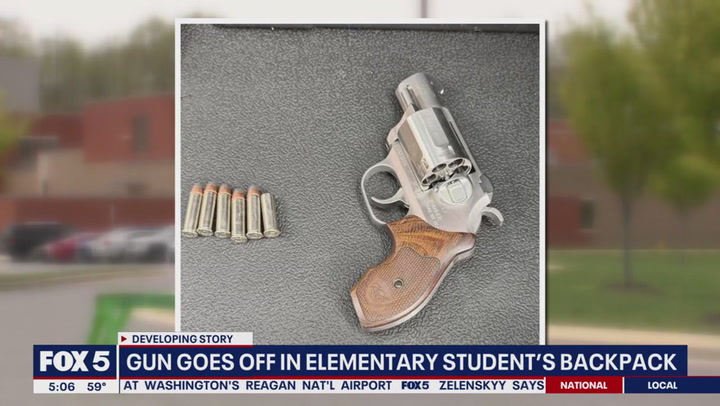
The teacher, fearing for her safety, did not return to work the following day. The messages, combined with Rivers’ armed presence at the school, prompted police to file charges on April 11. Rivers was arrested on April 12, charged with possession of a firearm on school property—a felony in Indiana—and harassment via written communication, a misdemeanor.
Read : Thailand Becomes Third Asian Country to Legalize Same-Sex Marriage After Taiwan and Nepal
A Marion County judge set her bond at $500, and she was released the same day. Her initial hearing is scheduled for April 23, and she has been issued a “Stay Away Order” barring her from Valley Mills Elementary School property.
The Decatur Township School District issued a statement emphasizing that no students or staff were threatened during the incident and praised the police for handling the situation without incident.
Broader Implications for Schools and Society
This incident reflects deeper societal divides over education, parental rights, and the visibility of LGBTQ+ identities in schools. Carrie Rivers’ actions, including her claim that she forgot she was carrying a gun, have raised concerns about school safety protocols.
Her husband, Leon Rivers, defended her to NBC News, stating that many parents carry guns when dropping off their children and that she meant no harm, having simply forgotten to remove the weapon. However, possessing a firearm on school property is a serious offense in Indiana, and the threatening messages sent afterward escalated the severity of the case.
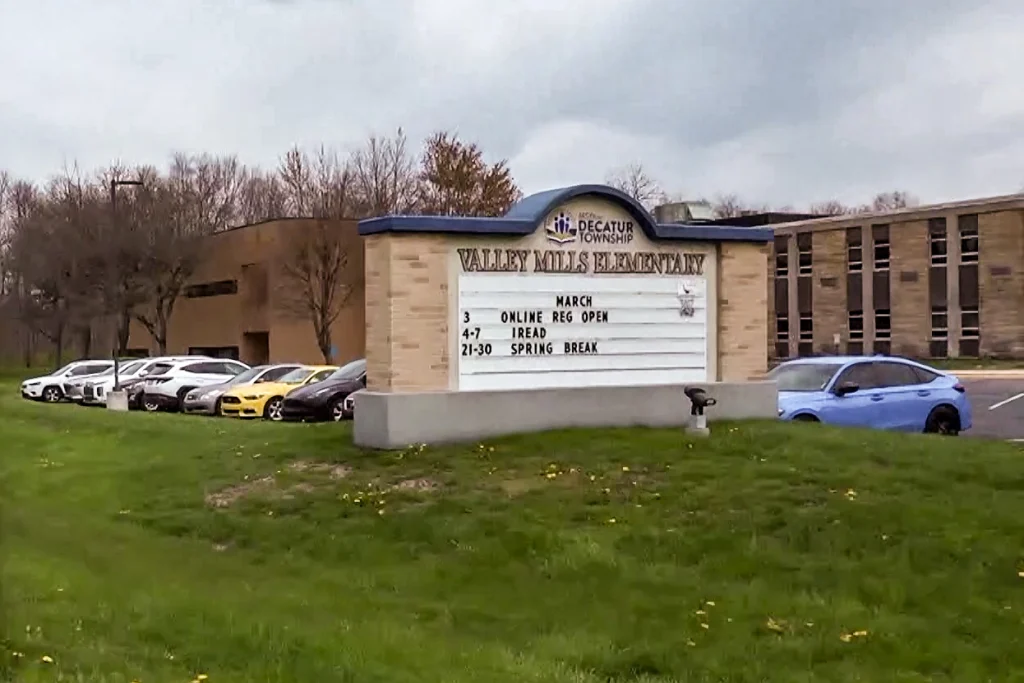
The case also underscores the challenges faced by LGBTQ+ educators, particularly in politically charged climates. The teacher’s inclusion of a rainbow flag in a lesson about cultural symbols was interpreted by Carrie Rivers as an attempt to “indoctrinate” her daughter, despite the assignment’s broader focus and the option to opt out.
Similar incidents, such as recent laws in states like Utah banning Pride flags in public schools, highlight growing restrictions on LGBTQ+ visibility in education. Advocacy groups have noted that such cases contribute to a hostile environment for queer educators, who face increased scrutiny and threats for their identities or classroom materials.
Indiana’s lack of stringent gun laws and its permissive concealed carry policies have also come under scrutiny. The ease with which Rivers entered the school armed, even unintentionally, has prompted calls for stricter enforcement of no-firearm policies on school grounds.
Meanwhile, the Decatur Township School District is reviewing its safety measures to prevent future incidents, reinforcing its commitment to a secure learning environment. The case has left the community grappling with how to balance parental concerns, educator rights, and student safety in an increasingly polarized society.
Moving Forward with Caution and Reform
As the legal process unfolds, the Valley Mills incident serves as a stark reminder of the need for clear communication between schools and parents, as well as robust safety protocols.
The teacher’s decision to exempt Rivers’ daughter from the assignment demonstrates an attempt to accommodate parental concerns, yet it was not enough to prevent escalation. Schools may need to implement more proactive measures, such as parent education sessions on curriculum content, to address misunderstandings before they turn confrontational.
For the broader education system, this case highlights the importance of protecting educators from harassment and ensuring that classrooms remain safe spaces for all. The threatening nature of Carrie Rivers’ messages, coupled with her armed presence, has left the teacher and school staff shaken, underscoring the real dangers faced by educators in contentious cultural debates.
Community leaders are calling for dialogue to bridge divides, encouraging parents to engage constructively with schools rather than resorting to intimidation. Carrie Rivers’ actions have sparked a local and national conversation about the intersection of gun rights, parental involvement, and LGBTQ+ inclusion in schools.
As her court date approaches, the focus remains on ensuring justice for the teacher and implementing changes to prevent similar incidents. The Valley Mills Elementary School community is working to heal, but the incident has left a lasting impact, urging stakeholders to prioritize safety, respect, and understanding in education.