
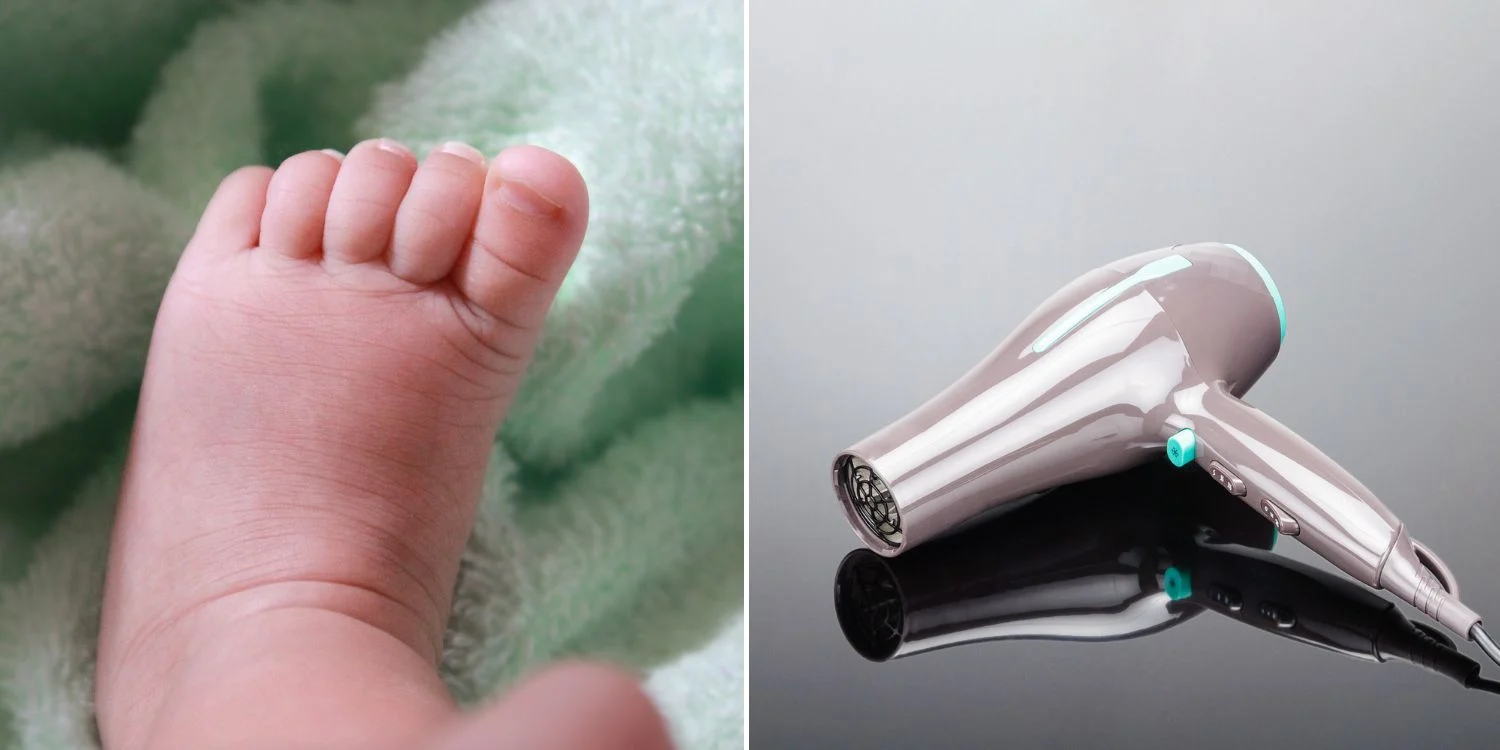
A heartbreaking incident in Taipei, Taiwan, resulted in a newborn losing three of her toes after Mother Falls Asleep with Hair Dryer On, identified as Wu, accidently fall asleep while using a hairdryer to dry the baby’s damp bedsheet.
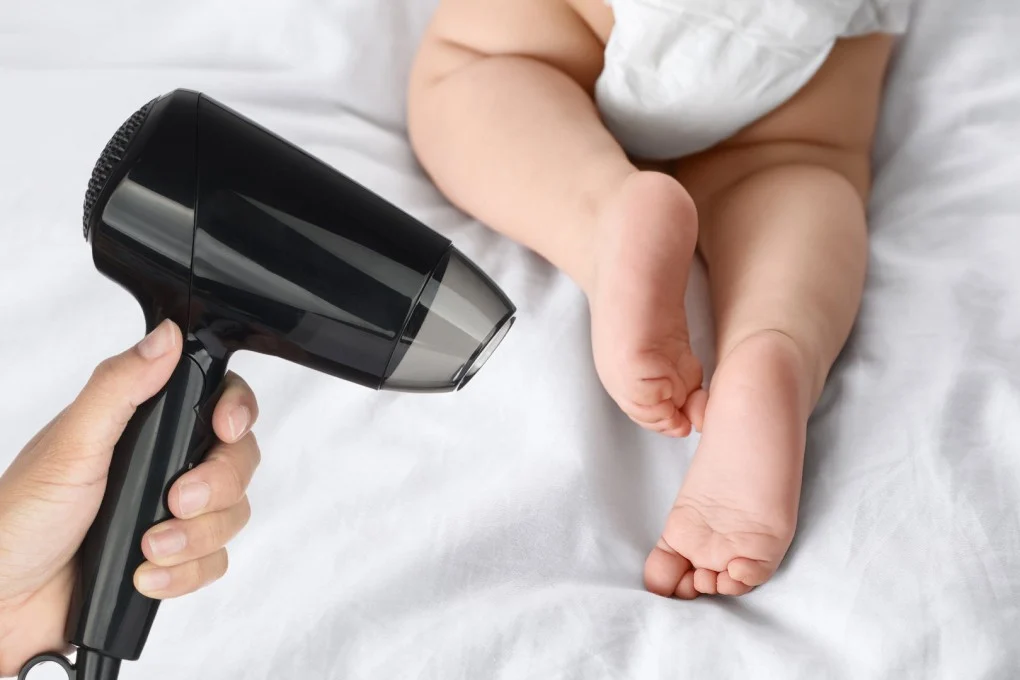
The intense heat from the device exposed the infant’s legs for three hours, leading to severe burns and the eventual amputation of the middle, ring, and little toes on her left foot.
The tragic event, which took place on September 16, 2023, has sparked widespread debate about parental responsibility, post-partum depression, and the challenges of caring for a newborn.
A Tragic Mistake with Devastating Consequences
Wu had intended to dry the baby’s bedsheet using a hairdryer but, due to exhaustion and the effects of post-partum depression medication, she fell into a deep sleep.
Her newborn daughter’s legs were left exposed to the heat for an extended period, causing critical burns on 15.5% of her body. When Wu woke up at 4 p.m. and realized the severity of the situation, she immediately called emergency services, rushing her baby to the hospital.
Despite medical efforts to treat the burns, the damage to the infant’s left foot was irreversible. Doctors had no choice but to amputate three of her toes. The incident led to legal consequences for Wu, as she was charged with negligence resulting in severe injury.
During her trial, Wu explained that she had not expected the hairdryer to cause such harm, believing the heat was manageable, especially after moving her child away from the device.
However, the judge ruled that as the primary caretaker, Wu should have anticipated the potential dangers. Babies often move unpredictably, rolling or kicking while sleeping.
Read : Infant Son Burned to Death as Mother Falls Asleep with Hair Dryer On Near Him in Georgia
The court further argued that, given Wu’s educational background and cognitive abilities, she should have recognized the risks of prolonged exposure to a heat source. The judge emphasized that hairdryers are widely known to cause burns when used improperly, making Wu’s negligence inexcusable.
Read : Aishwarya Rai Gets Loudest Cheers As She Walks Cannes Red Carpet With Broken Hand
Wu was sentenced to five months in prison and fined NT$150,000 (US$4,550) for her actions. While the court acknowledged that the amputation would impact the child’s ability to walk, it was not deemed an unmanageable injury due to advancements in modern medicine.
Public Reaction and Divided Opinions
The case has ignited widespread debate, with people expressing both outrage and sympathy. Many online commenters criticized Wu, questioning how a mother could sleep through her baby’s cries of pain. Some argued that parental instinct should have woken her up immediately, preventing the injury from escalating to such an extent.
One individual remarked, “Mothers can immediately hear their baby’s cries, so how could she not wake up?” Another added, “It’s impossible! There’s no way a crying baby wouldn’t wake up a mum!” These reactions reflect a broader societal expectation that parents, especially mothers, must always be alert and responsive to their children’s needs.
On the other hand, some people sympathized with Wu, acknowledging the immense difficulties of caring for a newborn. The exhaustion that comes with motherhood, combined with the effects of post-partum depression, can lead to tragic mistakes.
One commenter pointed out, “While it’s true that she made a grave mistake, taking care of a newborn when you’ve just given birth and haven’t fully recovered is incredibly challenging and exhausting. It’s tough for all mothers out there.”
The incident has also highlighted the increasing prevalence of post-partum depression in Taiwan. Reports indicate that the rate of post-partum depression among Taiwanese women has risen to 20%, a concerning trend that underscores the need for better support systems for new mothers.
Despite this, the annual budget allocated for post-partum psychological counseling between 2022 and 2024 remains below NT$100,000 (US$3,000), an amount that critics argue is insufficient to address the growing issue.
The Need for Greater Awareness and Support
This case serves as a sobering reminder of the risks associated with parental exhaustion and post-partum depression. While Wu’s actions had tragic consequences, they also highlight the immense pressures faced by new mothers, particularly those dealing with mental health challenges.
The lack of adequate post-partum support and resources in Taiwan raises questions about whether the incident could have been prevented if more assistance had been available. In many countries, new mothers receive extensive post-partum care, including home visits from healthcare professionals and mental health screenings.
However, in Taiwan, resources for post-partum mental health remain limited, leaving many mothers to cope with overwhelming responsibilities on their own.
Expanding support services, raising awareness about the dangers of post-partum depression, and encouraging open conversations about maternal health are crucial steps in preventing similar tragedies in the future.
Furthermore, this case highlights the importance of safety education for parents. While household appliances like hairdryers may seem harmless, improper use can lead to severe injuries.
New parents should be provided with guidance on baby-proofing their homes, understanding potential hazards, and recognizing signs of exhaustion that may impair their ability to care for their child safely.
Ultimately, the story of Wu and her newborn daughter is a tragic but important lesson for society. It emphasizes the need for compassion and understanding when addressing cases of parental negligence, especially when mental health plays a significant role.
At the same time, it serves as a call to action for governments and healthcare systems to provide better support for new mothers, ensuring that exhaustion and depression do not lead to irreversible consequences.