
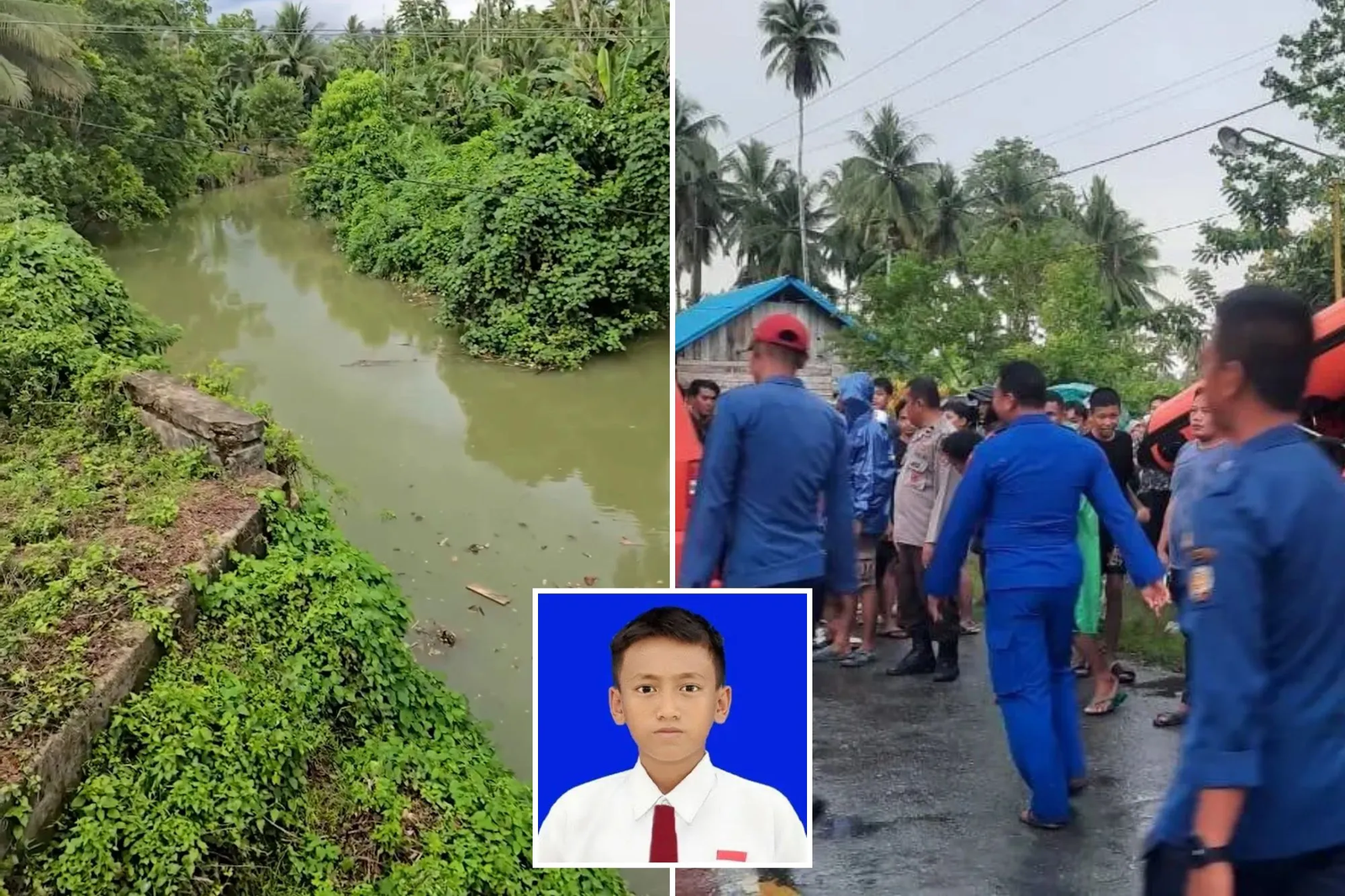
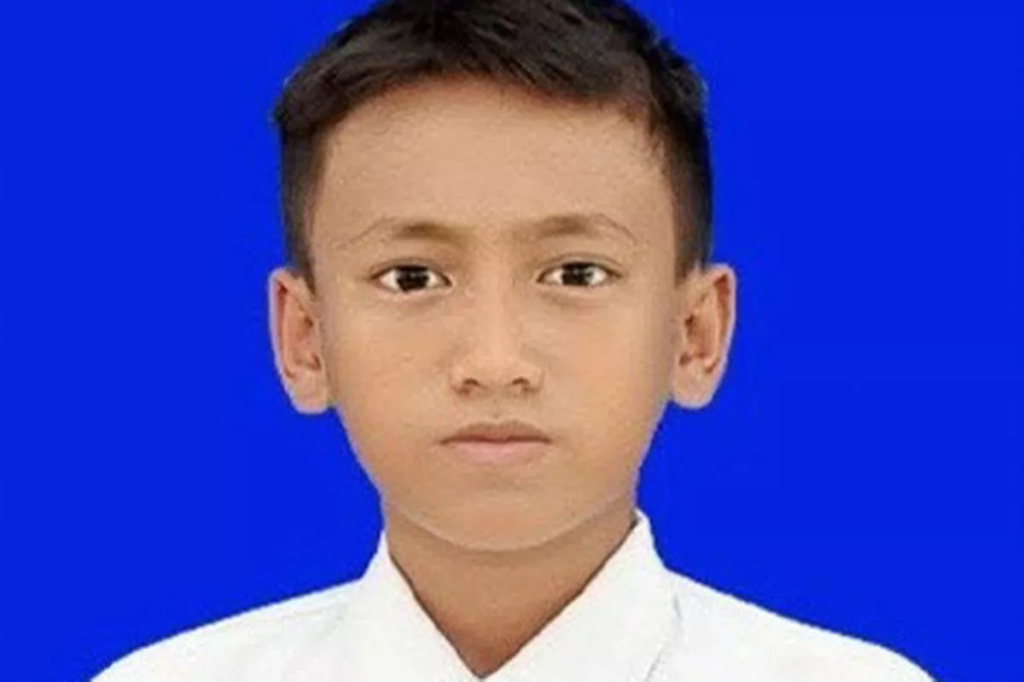
The death of 14-year-old Muhammad Rafli Hamzah in Southeast Sulawesi, Indonesia, has drawn renewed attention to the dangers faced by communities living alongside rivers that double as both lifelines and wildlife habitats. The teenager was attacked and killed by a crocodile while washing clothes in a river near his home, an activity that remains part of daily life for many families in rural Indonesia. The incident unfolded in full view of his school friends and younger sibling, leaving witnesses traumatized and a community in mourning. Beyond the personal tragedy, the case highlights broader issues involving human–wildlife conflict, environmental pressures, and the ongoing reliance on natural waterways for basic needs.
The Fatal Attack in South Konawe Regency
Muhammad Rafli Hamzah was carrying out a routine chore when the attack occurred. On the day of the incident, he had gone to a river in South Konawe Regency, located in Indonesia’s Southeast Sulawesi Province, to wash clothes. The river, like many in the region, is commonly used by residents for bathing, laundry, and fishing due to limited access to piped water and other infrastructure. According to police and eyewitness accounts, the teenager was standing at the riverbank when a crocodile suddenly emerged from the water.
The reptile seized the boy and dragged him into the river as his friends and younger sibling looked on helplessly. Witnesses reported that Muhammad attempted to struggle free, but the force of the crocodile and the speed of the attack left no opportunity for effective rescue. Emergency services were alerted quickly, and a large search effort began soon after. Family members, local residents, rescue volunteers, and authorities joined forces to search the river.
The operation involved multiple boats, including vessels owned by local fishermen who were familiar with the river’s currents and terrain. After several hours of searching, Muhammad’s body was discovered floating approximately 200 metres from the location where he had been attacked. Police confirmed that the body bore multiple bite marks consistent with a crocodile attack. Ipda Alimudin Latif, the Kolono Police chief, stated that the victim was found deceased and had sustained numerous bite wounds, underscoring the severity of the encounter.
Read : Australian Villagers Kill and Eat Giant Crocodile Which Hunted Their Pets
The recovery of the body marked the end of the search but not the end of the community’s distress. For those who witnessed the attack, including children, the event left lasting psychological scars. The sudden loss of a young life during an everyday task has amplified fears among residents who continue to depend on the same river for survival.
Crocodile Populations and Human–Wildlife Conflict in Indonesia
Indonesia is home to an extensive range of crocodile species, with experts identifying at least 14 species across the archipelago. Among them, the estuarine crocodile, also known as the saltwater crocodile, is considered the most aggressive and poses the greatest risk to humans. These reptiles thrive in Indonesia’s tropical climate and inhabit rivers, swamps, estuaries, and coastal areas. Southeast Sulawesi, like many other regions, provides suitable conditions for crocodile populations to flourish.
In recent years, conservationists and researchers have observed an increase in crocodile sightings near human settlements. One contributing factor frequently cited is overfishing, which reduces the availability of natural prey such as fish. As food sources become scarce in traditional habitats, crocodiles are believed to range further inland, bringing them into closer contact with villages. This shift increases the likelihood of encounters with people who rely on rivers for daily activities.
Read : China to Auction 100 Tonnes of Live Crocodiles, Including the Notorious ‘Crocodile God’ Mo
Environmental changes linked to human activity have also played a role. Widespread tin mining and other forms of land exploitation have altered natural landscapes, forcing both humans and wildlife to adapt. As mining operations expand, villagers often move closer to rivers and wetlands, encroaching on areas historically occupied by crocodiles. This overlap has intensified competition for space and resources, raising the risk of fatal incidents.
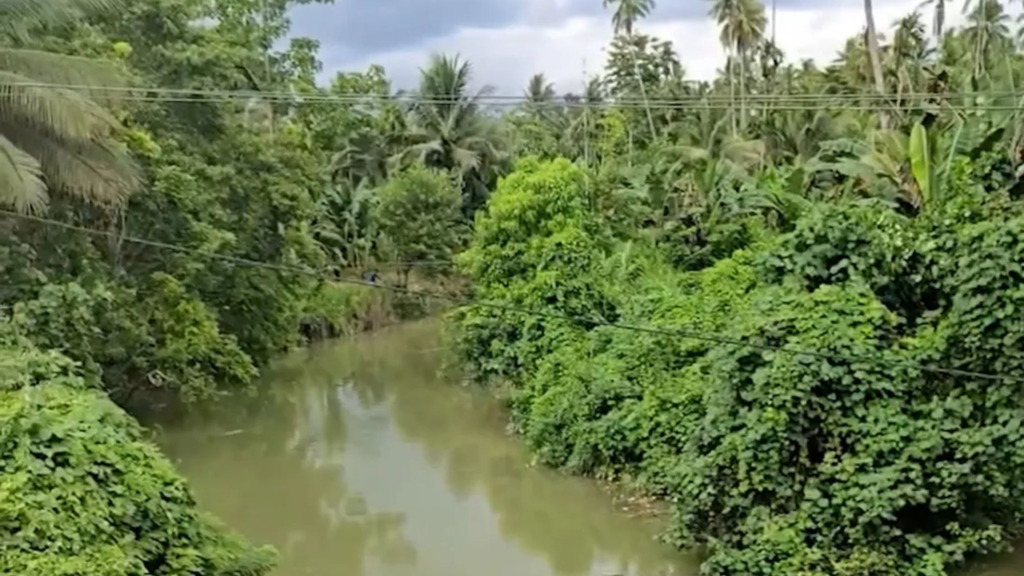
Authorities and wildlife experts have repeatedly warned about the dangers of using rivers known to be crocodile habitats. In many cases, warning signs are either absent or ignored, partly because residents have few alternatives. For communities without reliable access to clean water, avoiding rivers altogether is not always feasible. As a result, even when the risks are understood, daily necessity can outweigh safety concerns.
The attack on Muhammad Rafli Hamzah is not an isolated case. Just one month earlier, a 10-year-old boy named Affan was killed by a crocodile while swimming with friends in the Inggoi River in North Maluku, Indonesia. Witnesses reported that Affan screamed for help as he was dragged under the water, but assistance arrived too late. Police later confirmed that the area was a known crocodile habitat, with locals frequently reporting sightings of swamp crocodiles. Such incidents have become increasingly common, reinforcing concerns about the growing frequency of human–crocodile conflicts.
Community Impact, Safety Measures, and Ongoing Challenges
The death of Muhammad has had a profound impact on his local community. Rivers in rural Indonesia are not merely geographical features; they are central to daily life, culture, and survival. Families depend on them for washing, bathing, and subsistence fishing. Children often accompany adults or gather in groups near riverbanks, making them particularly vulnerable to sudden attacks. When a tragedy occurs in such a shared space, it resonates deeply, altering how residents perceive an environment they have relied on for generations.
Read : 7-Year-Old Boy Lost Arm in Crocodile Attack During Fishing Trip in Roodekoppies Dam
In the aftermath of the incident, local authorities urged residents to heighten their awareness and exercise greater caution. Police statements emphasized the importance of preventing similar tragedies, though implementing effective safety measures remains a complex challenge. Physical barriers, such as fencing off river access points, are difficult to maintain across vast and remote areas. Relocating communities or providing alternative water sources requires significant investment and long-term planning.
Some regions have attempted to address the issue through public education campaigns, teaching residents how to identify signs of crocodile presence and avoid high-risk behaviors. These initiatives often stress avoiding rivers during certain times of day, refraining from washing clothes or bathing alone, and steering clear of murky waters where crocodiles are harder to detect. However, adherence to such guidance is inconsistent, particularly when daily routines are deeply ingrained.
Wildlife management strategies, including relocating crocodiles deemed dangerous, have also been employed in certain areas. Conservationists caution that such measures must be handled carefully to avoid disrupting ecosystems further. Crocodiles are protected species in Indonesia, and their removal or relocation requires coordination between environmental agencies and local governments. Balancing human safety with wildlife conservation remains a delicate task.
For families like Muhammad’s, these broader debates offer little consolation. The loss of a child is irreversible, and the circumstances surrounding his death underscore the vulnerability faced by many rural communities. As Indonesia continues to develop and its population grows, pressures on natural habitats are likely to intensify, potentially leading to more frequent encounters between humans and wildlife.
The incident in South Konawe Regency stands as a stark example of how environmental change, economic necessity, and daily survival intersect in ways that can have fatal consequences. Without sustained investment in infrastructure, environmental management, and community education, rivers that sustain life may continue to pose deadly risks for those who depend on them.
66wins, eh? Yeah, I’ve messed around on that site a bit. Nothing too crazy, but a decent enough experience. Fast loading speeds are a plus! See for yourself: 66wins
I have been absent for some time, but now I remember why I used to love this web site. Thank you, I¦ll try and check back more often. How frequently you update your web site?