

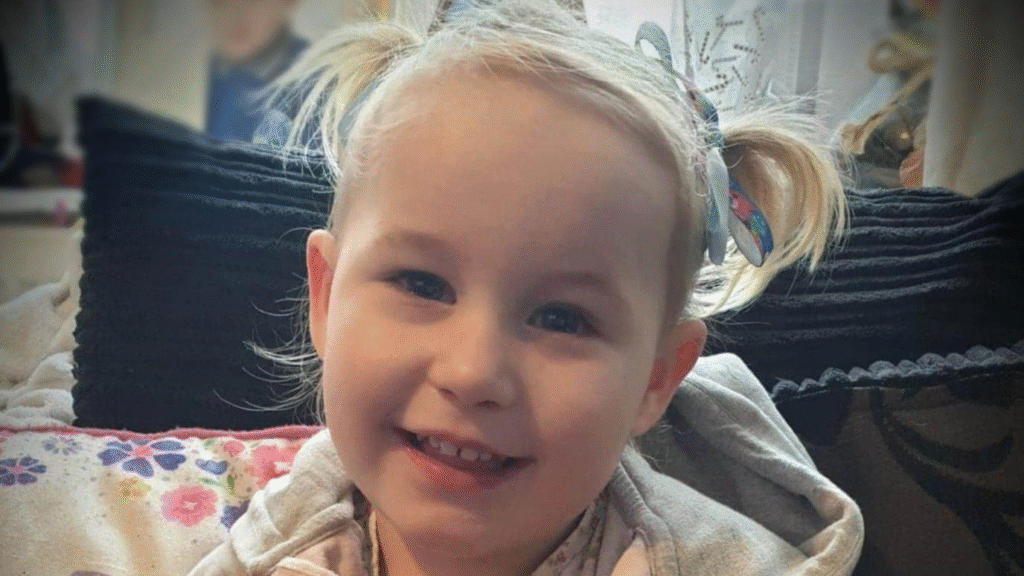
The death of Kyle Bevan inside HMP Wakefield has drawn renewed focus on prison violence, inmate hierarchy, and the challenges faced by high-security facilities housing some of the most dangerous offenders in the United Kingdom. Bevan, who had been serving a minimum sentence of 28 years for the murder of two-year-old Lola James, was found dead in his cell on Wednesday morning.
The incident has led to murder charges against three fellow inmates: Mark Fellows, 45, Lee Newell, 56, and David Taylor, 63. The case has intensified public scrutiny of conditions inside HMP Wakefield, often referred to as “Monster Mansion” due to the number of high-profile and violent offenders held there. The circumstances surrounding Bevan’s death raise broader questions about prison safety, the treatment of offenders convicted of crimes against children, and the systemic pressures affecting prison operations.
Kyle Bevan’s original conviction had drawn national concern due to the severity and brutality of the injuries sustained by Lola James. The court had been told that she suffered injuries more commonly associated with severe trauma, including damage similar to those found in high-impact crashes. The intensity of the violence inflicted on the child contributed to a lengthy prison sentence and widespread condemnation.
Kyle Bevan had been incarcerated at HMP Wakefield for just two and a half years before his death, but reports have suggested that the environment inside the prison has become increasingly volatile. In the months before this incident, the facility had already been under scrutiny following the killing of another inmate, former Lostprophets singer and convicted child sex offender Ian Watkins. Taken together, these incidents point to escalating tensions within the prison system, particularly for inmates serving sentences for crimes involving children.
Background of Kyle Bevan’s Conviction
Kyle Bevan was convicted in April 2023 for the murder of his two-year-old stepdaughter, Lola James, in Pembrokeshire in 2020. During the sentencing phase, the court heard harrowing details of the hours-long assault that led to the child’s death. Medical evidence indicated that the toddler had sustained more than one hundred external injuries, along with catastrophic trauma to her head and eyes.
The judge presiding over the case described the attack as intense, prolonged, and marked by deliberate violence. The description of the suffering inflicted upon the child evoked widespread grief and outrage across the United Kingdom. Bevan was ordered to serve a minimum of 28 years before the possibility of release, reflecting the gravity of the crime.
Bevan’s arrival at HMP Wakefield was not unexpected, as the prison commonly houses individuals convicted of high-profile and severe offenses. The institution has long held a reputation for strict security and a concentrated population of offenders who pose significant risks. However, the environment can also foster strong inmate hierarchies, especially concerning those convicted of crimes against children.
Read : Aileen Wuornos Story Returns to Spotlight in Netflix’s Queen of the Serial Killers
Within prison culture, such offenders are frequently targeted and viewed with heightened hostility by others. This dynamic often necessitates careful management, monitoring, and housing arrangements designed to ensure their safety. In practice, the ability to shield such inmates varies widely from facility to facility and is heavily dependent on staffing, physical infrastructure, and available resources. Reports from the inspectorate published in September highlighted growing concerns about HMP Wakefield’s ability to manage safety and maintain an orderly environment.
Read : Elevating Heights: Discovering the Top 10 Largest Mountains Across the Globe
The report noted increased levels of violence and a significant number of prisoners who reported feeling unsafe. It also indicated that large portions of the population were locked in their cells during daytime hours, suggesting that meaningful engagement and structured activity were lacking. These conditions can contribute to an atmosphere in which tensions escalate, altercations become more common, and targeted violence is more difficult to prevent.
The Charges Against the Three Prisoners
Following Bevan’s death, West Yorkshire police launched an investigation which resulted in charges against three fellow inmates: Mark Fellows, Lee Newell, and David Taylor. All three men appeared before Leeds magistrates court via video link. Fellows and Newell offered only basic confirmations of their identities, while Taylor stated during the hearing that he was innocent and did not understand the charges. The men, all of whom identify as white British, were remanded into custody and are scheduled to appear before Leeds crown court for further proceedings.
Each of the accused had already been serving prison sentences for serious offenses prior to the incident. Mark Fellows, for instance, is known for his conviction in connection with organized crime and targeted killings. The presence of high-profile and often violent offenders in HMP Wakefield adds another layer of complexity to managing inmate relations. Individuals with established histories of violence may have greater access to influence, networks, and leverage within the prison environment.
When combined with poor conditions and insufficient supervision, these dynamics can lead to outcomes such as the one now under investigation. The death of Bevan follows closely after the killing of Ian Watkins at the same prison. Watkins, who had been serving a lengthy sentence for a series of sexual offenses involving children, was stabbed to death last month. Two inmates have been charged in that case and are expected to stand trial next year.
The similarity between the cases has generated significant public interest, raising questions about whether sufficient protections are being implemented for inmates at heightened risk of targeted violence. Meanwhile, the occurrence of multiple violent deaths in a short period has intensified discussions about whether structural improvements and staffing changes are urgently needed at the facility.
Investigators will be examining the circumstances surrounding Bevan’s death, including the possibility of premeditation, the actions of staff, the timing of cell checks, and whether any warning signs were present before the incident occurred. The fact that the defendants have varying reactions to the charges may also shape how the legal proceedings unfold. Further hearings will clarify the prosecution’s position and the defense responses from each party.
Conditions and Safety Concerns at HMP Wakefield
HMP Wakefield has long been one of the country’s most secure prisons. However, the recent inspectorate report highlighted substantial concerns related to safety, infrastructure, prisoner wellbeing, and staffing. The report stated that around half of Wakefield’s population was confined to their cells during the working day due to limited access to work, education, and rehabilitative activities. This lack of structured daily engagement can undermine stability within the facility by reducing opportunities for meaningful routine, personal development, or supervised socialization.
The report also pointed to declining physical infrastructure, which affects the quality of living conditions and the functioning of security measures and workshops. When infrastructure degrades, the ability of staff to intervene in conflicts or monitor inmate interactions may be compromised. The environment can shift from one with controlled oversight to one in which staff are primarily managing crisis situations rather than preventing them.
The increase in violence noted by the inspectorate underscores the severity of the challenges currently facing the prison. Even in high-security environments, where risk management is a central focus, the capacity to maintain order relies on sufficient staffing, training, and operational resources. Reduced workforce numbers or increased population pressures can introduce instability. The presence of inmates with violent histories, including those with notoriety or reputational influence, may further complicate attempts to mitigate conflict.

Violent incidents involving inmates convicted of offenses against children reveal harsher social dynamics within prisons. Such individuals are frequently ranked at the lowest level of inmate hierarchy, making them targets for threats, intimidation, and harm. Prisons often have to implement segregation or protective measures to safeguard these individuals. Yet when such measures are insufficient or inconsistently applied, the risk of violent retaliation increases substantially.
Bevan’s death, closely following the killing of Watkins, suggests that the situation at HMP Wakefield may require significant review. Stakeholders may debate whether enhanced monitoring protocols, specialized housing arrangements, or increased staff support should be implemented to reduce the likelihood of further violence. The issue also raises broader questions regarding how the criminal justice system manages offenders whose crimes evoke particularly strong reactions from others.
While public sentiment regarding individuals convicted of harming children may lead to apathy or approval toward violence against them, the prison system operates on principles that require the protection and safety of all inmates. Failure to maintain these standards not only undermines institutional control but also erodes the integrity of the justice system.
The outcomes of the legal proceedings involving Fellows, Newell, and Taylor will help clarify the circumstances surrounding Bevan’s death. Meanwhile, broader discussions about prison safety, inmate protection protocols, and systemic pressures on UK correctional facilities are likely to continue, particularly as the implications of these recent incidents at HMP Wakefield become more widely examined.
Fantastic site Lots of helpful information here I am sending it to some friends ans additionally sharing in delicious And of course thanks for your effort
Dàn Dealer chuyên nghiệp đến từ Châu Âu và Châu Á chắc chắn sẽ mang đến cho bạn những giây phút thăng hoa giải trí tuyệt vời. XN88 200+ Studio được phát sóng trực tiếp mỗi ngày cho bạn thoải mái tham gia và nhận thưởng bonus với hoa hồng hấp dẫn khi giành chiến thắng. TONY03-25