
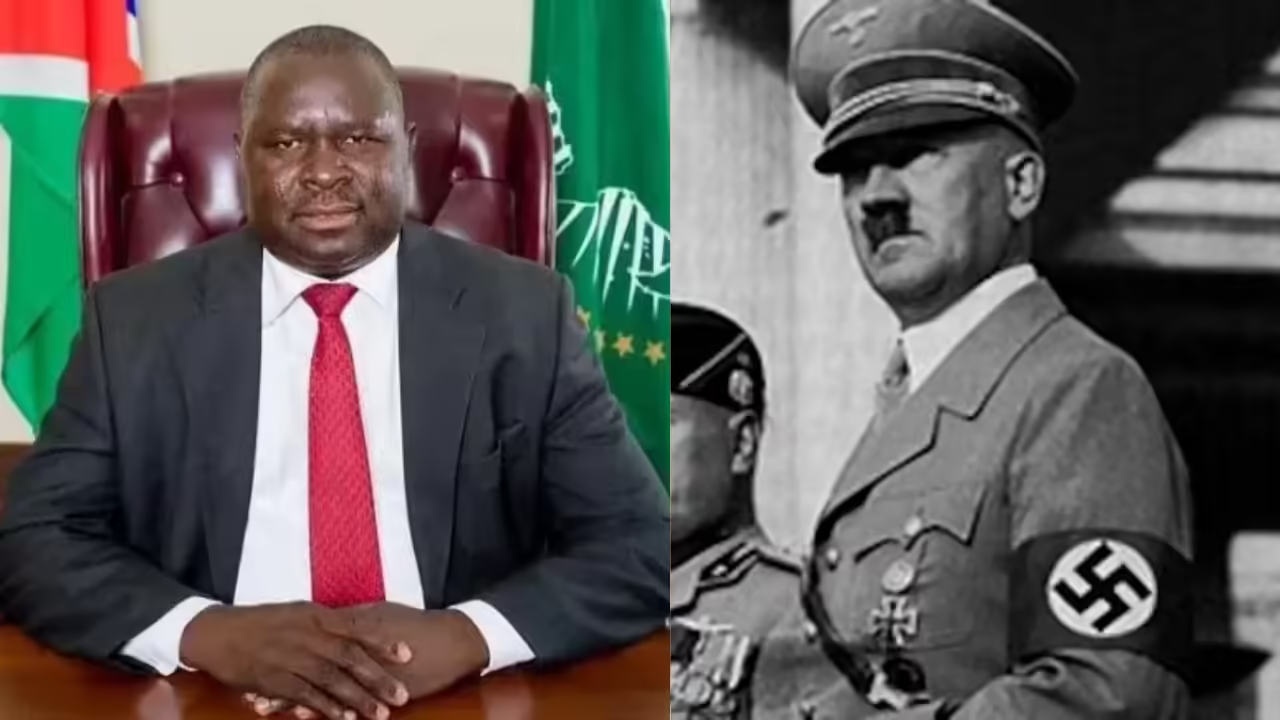
Adolf Hitler Uunona, a long-serving regional councillor in northern Namibia, has again secured electoral victory while simultaneously beginning a significant personal transition: formally removing the middle name “Hitler” from his official identity documents. The development follows years of public curiosity, international media attention, and persistent misunderstandings sparked by a name that evokes one of history’s most notorious figures.
Despite the repeated need to clarify his lack of association with the Nazi leader, Uunona has maintained a successful political career for two decades. His decision marks an important moment not only for him personally but also for observers who have watched his steady rise in Namibian politics amid the unusual circumstances surrounding his name.
Historical Context of Germanic Names in Namibia
To understand why a Namibian politician carried the name Adolf Hitler in the first place, it is necessary to recognize the historical depth of German influence in the region. Namibia, then known as German South West Africa, was a German colony from 1884 until 1915. During this period, German administrators, settlers and cultural structures established a strong presence.
Names of German origin entered local usage, sometimes through direct cultural exchange and sometimes through the adoption of European naming conventions without full awareness of the broader historical implications. Within certain communities, names commonly associated with German heritage became normalized, and families selected them without necessarily linking them to the specific individuals who bore them.
In this context, Adolf Uunona was given his name during a time when the resonance of certain German names was not widely explored or explained in rural areas. He has repeatedly said his father likely did not understand the historical meaning or the atrocities associated with Adolf Hitler. For many in Namibia, especially in regions distant from major urban centers, European names were seen simply as names rather than ideological symbols.
Read : Top 10 Diamond Producing Countries in the World in 2024
Uunona has described how, growing up, he viewed his name as ordinary and unproblematic. Only in adolescence and adulthood did he come to understand the full weight carried by the infamous historical figure whose name he shared. That realization eventually shaped his public communication, his interactions with foreign journalists and his desire to separate his political identity from an unintended and unwanted association.
A Political Career Marked by Local Trust and Longevity
Adolf Hitler Uunona’s political reputation in Namibia extends far beyond the attention his name has attracted internationally. Representing Ompundja in the Oshana region, he has been a member of the South West Africa People’s Organisation (SWAPO) since 2004. Over the years, he has developed a reputation for reliable local leadership, community engagement and commitment to anti-apartheid principles. His repeated electoral victories—including his most recent, marking a fifth consecutive term—demonstrate consistent support from his constituents.
His success is rooted in more than name recognition; it reflects his effectiveness as a regional councillor and his strong ties to the communities he serves. Those who vote for him judge him on his governance, not the historical infamy of a European dictator whose name he shares.
Read : Namibia Plans to Kill Elephants for Meat Amid Crippling Drought: Report
Throughout his political life, Uunona has emphasized that he has no connection to Nazi ideology, stating plainly that he rejects any interpretation that links him to such beliefs. His constituents appear to understand that distinction clearly. In previous elections, he has even won by comfortable margins, underscoring that the controversy surrounding his name holds little sway among the people who know him personally and rely on his leadership.
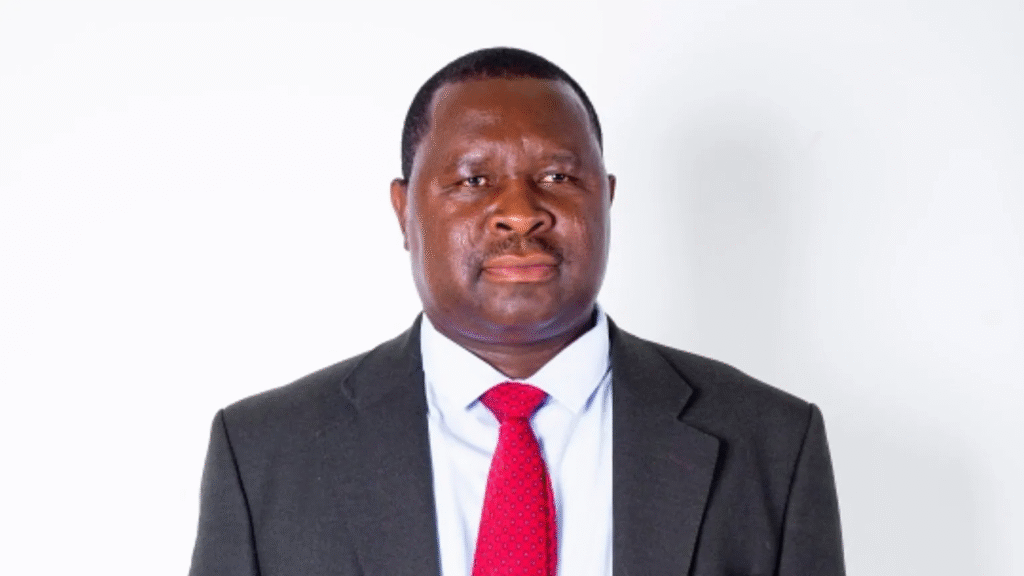
Nevertheless, Uunona has acknowledged that international media attention has created an unintended public image, especially outside Namibia. Headlines referring to a politician named Adolf Hitler regularly circulate globally after each election, often causing confusion or surprise to outside audiences unfamiliar with Namibia’s colonial history. This recurring cycle has contributed to his decision to formally modify how he is identified and addressed.
Over time, the burden of explanation followed him through interviews, public appearances and official duties. He often had to clarify his position to foreign reporters, reiterating that he had nothing to do with the ideology of the Nazi regime and that his upbringing and daily life bore no connection to the historical context that shaped the name’s global meaning. These recurring misunderstandings made it increasingly important for him to adopt a name presentation that better reflected who he is and how he wishes to be perceived.
The Name Change and Its Implications
In 2025, shortly before the latest election, Uunona took a decisive step by removing “Hitler” from his identity document. Local media in Namibia reported that he will now be formally known simply as Adolf Uunona. The choice was deliberate, reflecting a desire to eliminate a persistent source of confusion while staying true to his given first name, which he has carried for nearly six decades. Although the change is administrative in nature, its significance extends into the realms of public representation and international perception.
Read : Namibia: The Awe-Inspiring Frontier of Boundless Sands and Profound Mysteries
Uunona explained that being referred to as Adolf Hitler created an image that did not align with his beliefs or his political life. By formally altering his name, he aims to prevent misinterpretations that could overshadow his work. This shift also serves as an acknowledgment of how global awareness of certain names may complicate local identities shaped by unique cultural and historical circumstances.
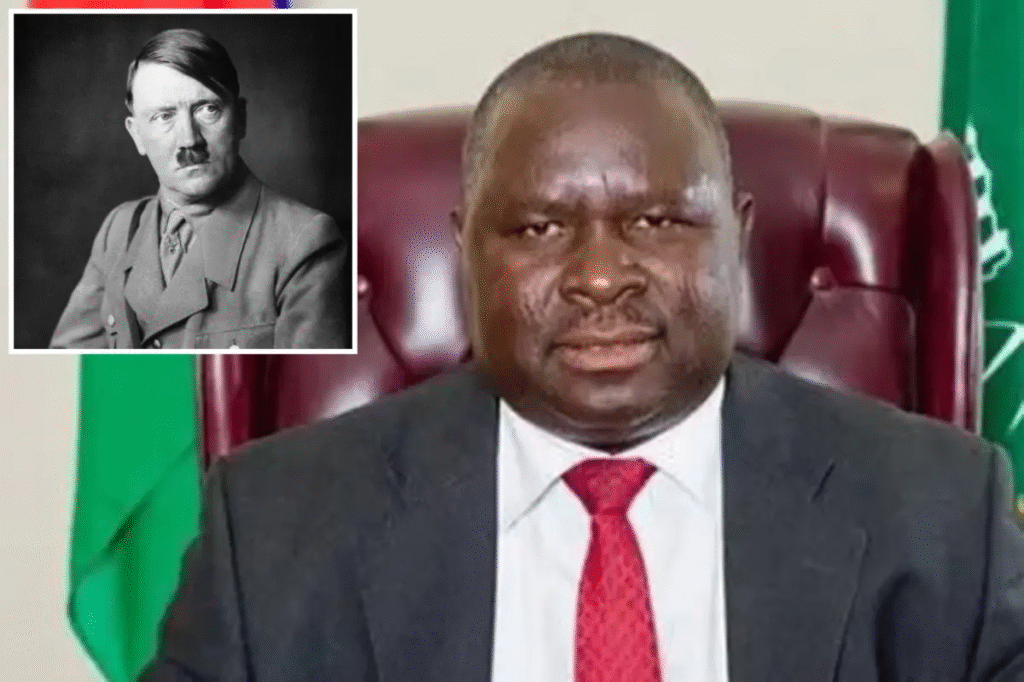
For Uunona, the decision represents an effort to take control of his narrative. He has spent years emphasizing that he should not—and does not—carry the legacy of a dictator he never knew and whose ideology he rejects. The name change allows him to engage in public service without continually confronting symbolic associations that misrepresent him. It does not erase his past, but it redefines how he presents himself in both local and global contexts.
The modification also highlights a broader discussion about how historical legacies of colonial powers continue to influence contemporary identities. Germanic names remain common in Namibia, but only a few, such as Adolf Hitler, carry the kind of global notoriety that overshadows their cultural origins. Uunona’s case therefore sheds light on the complexities that can arise when local naming traditions intersect with international historical memory.
His action may encourage others who feel burdened by inherited names to consider their own options for personal or public clarity. At the same time, it illustrates that names, while meaningful, do not solely define a person’s character or political record. Uunona’s two decades of public service speak to his actual identity far more clearly than the name he bore for so long.
In interviews, he has noted that as a child, the weight of the name did not register. Only later did he fully understand the global implications attached to it. This long-term evolution—from innocence, to repeated explanation, to formal change—shows how personal identity can be shaped not only by heritage but also by the changing contexts in which one lives.
Adolf Uunona’s decision marks a new chapter in his career, allowing him to continue representing his community with a name that aligns more clearly with his values and intentions. As he moves forward, his political work remains central to his public identity, while his chosen name helps ensure that his leadership is evaluated on its merits rather than overshadowed by historical associations he never sought to inherit.
Yo, check it out, I found this jili7slotdemofree site where you can try out the JILI7 slots for free! A great way to test the waters before you throw any cash in.