
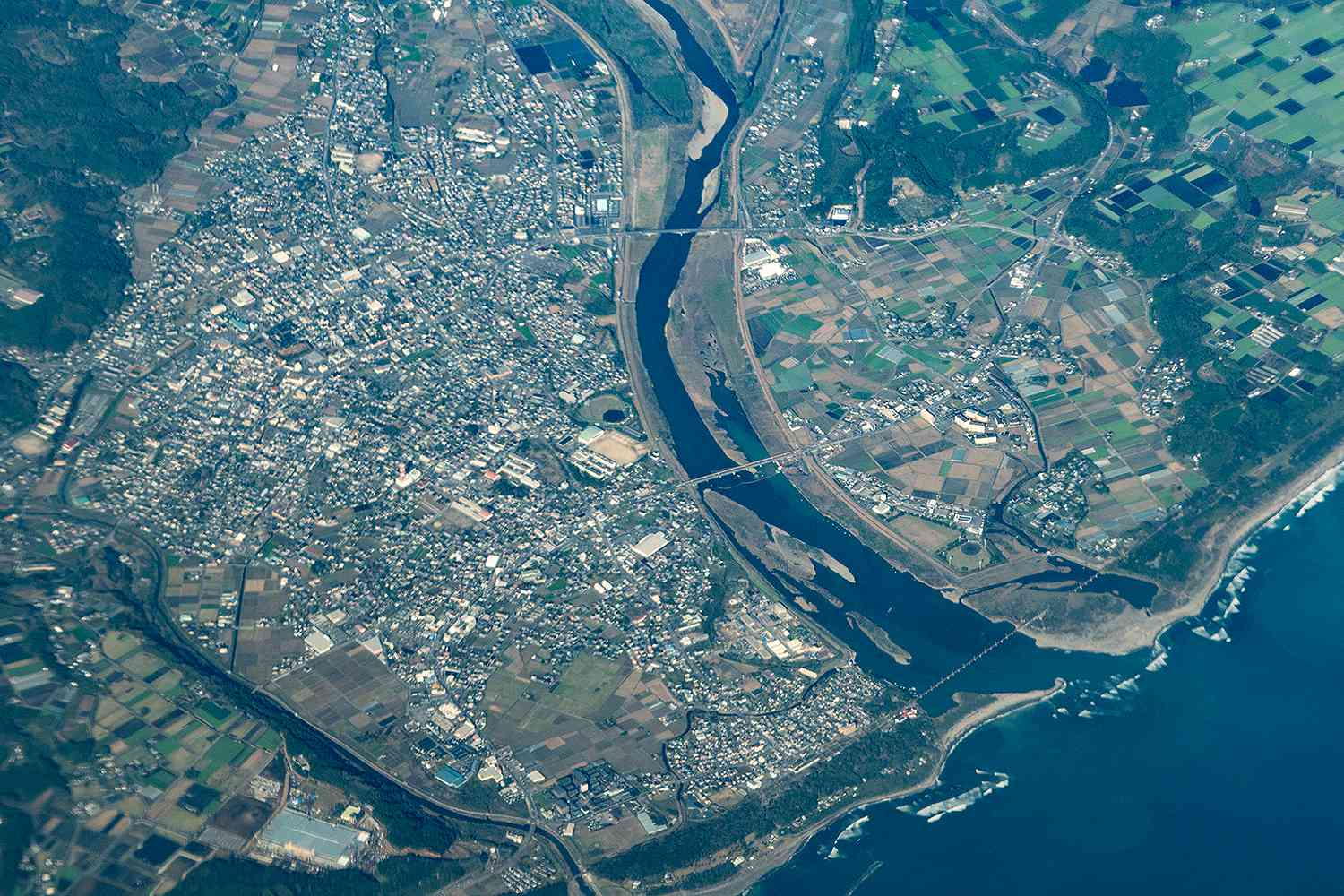
Japan has long been vulnerable to powerful earthquakes due to its position along the Pacific Ring of Fire, where multiple tectonic plates converge. The latest government projections paint a grim picture of the potential devastation that Nankai Trough Megaquake could bring.
According to a revised estimate, up to 298,000 people could lose their lives if an earthquake of magnitude 9 were to strike the region. This new figure, though slightly lower than the 2012 projection of 323,000 deaths, still represents an enormous loss of life and property.
Additionally, economic damages are now estimated at US$2 trillion, a significant increase from previous calculations. Despite advancements in infrastructure and disaster preparedness, Japan’s government remains concerned about its ability to mitigate the impacts of such a catastrophic event.
The Science Behind the Nankai Trough Megaquake
The Nankai Trough is an 800-kilometer-long undersea trench running along Japan’s Pacific coast, stretching from Shizuoka Prefecture to the southern tip of Kyushu. It is a subduction zone where the Philippine Sea Plate is gradually being pushed beneath the Eurasian Plate.
Over time, immense stress builds up along this fault line, and when it is suddenly released, it results in a powerful earthquake. Historically, megaquakes have occurred in this region every 100 to 200 years. The last major earthquake in the Nankai Trough occurred in 1946, registering a magnitude of 8.1 and causing the deaths of nearly 1,400 people.
Scientists warn that another massive earthquake is overdue. A government panel recently increased the estimated probability of a Nankai Trough megaquake occurring in the next 30 years to between 75 and 82 percent. This suggests that Japan may be on the verge of experiencing one of the most devastating seismic events in its history.
In August 2023, after a magnitude-7.1 earthquake struck southern Japan, the Japan Meteorological Agency issued its first-ever “megaquake advisory,” a precautionary measure introduced after the 2011 Tohoku earthquake and tsunami. While the advisory was lifted after a week, it triggered panic buying and shortages of essential goods like rice and bottled water.
Read : Woman Gives Birth On Bangkok Street After Earthquake Led to Hospital Evacuation
If a magnitude-9 earthquake were to hit, the shaking would be felt across 764 municipalities in 31 of Japan’s 47 prefectures. The earthquake would also generate a massive tsunami, with waves reaching heights of up to 34 meters in some areas. Low-lying coastal regions, which are home to millions of people, would be particularly vulnerable.
Read : 7.2 Magnitude Earthquake Hits Peru: Tsunami Alert Issued
According to the latest projections, 215,000 people would be killed by the tsunami, while 73,000 could perish due to building collapses and another 9,000 from fires. The government also warns that between 26,000 and 52,000 additional deaths could occur due to deteriorating conditions in evacuation shelters.
Potential Economic and Social Impact
Aside from the tragic loss of human lives, a Nankai Trough megaquake would have catastrophic economic consequences. The latest government estimates indicate that the disaster could cause 270 trillion yen (US$1.8 trillion) in damages, up from the previous estimate of 214 trillion yen.
The increase in projected economic losses is attributed to rising construction costs and inflation. Additionally, Japan’s gross domestic product (GDP) could shrink by 8.3 percent, equivalent to a loss of 45.4 trillion yen, in the first year following the earthquake.

Japan is no stranger to economic disruptions caused by earthquakes. The 2011 Tohoku earthquake and tsunami led to an economic downturn, as industries were forced to shut down, infrastructure was damaged, and the Fukushima nuclear disaster further compounded the crisis.
The government fears that a megaquake in the Nankai Trough could lead to a similar, if not worse, economic crisis. The collapse of buildings, destruction of transportation networks, and disruptions to supply chains would severely impact Japan’s ability to recover quickly.
Furthermore, Japan’s aging population presents a significant challenge in disaster response efforts. Many elderly individuals may struggle to evacuate quickly, increasing their risk of injury or death. The latest projections assume that only 20 percent of people would evacuate immediately in the event of a tsunami.
However, if the evacuation rate were increased to 70 percent, the number of tsunami-related deaths could be reduced from 215,000 to 94,000. The government has been working to improve evacuation procedures and awareness campaigns, but it remains uncertain whether these efforts will be sufficient to prevent mass casualties.
Japan’s Preparedness and Future Measures
Recognizing the immense threat posed by a Nankai Trough megaquake, Japan has been investing heavily in disaster preparedness. On Tuesday, the government is expected to announce a record 20 trillion yen funding package for a five-year earthquake resilience plan.
This initiative aims to strengthen infrastructure, improve early warning systems, and enhance evacuation facilities. The construction of quake-resistant buildings has already helped reduce the projected death toll from 323,000 in 2012 to 298,000 in 2024. However, Japan has yet to meet its ambitious goal of cutting disaster-related deaths by 80 percent and reducing the number of damaged buildings by 50 percent.

The government has also implemented policies to encourage people to prepare for disasters at the individual level. Public education campaigns emphasize the importance of having emergency kits, planning evacuation routes, and staying informed about potential seismic activity.
The recent surge in demand for emergency supplies following the 2023 megaquake advisory highlights the public’s growing awareness of earthquake risks.
Despite these efforts, challenges remain. Japan’s densely populated coastal regions make large-scale evacuations difficult, and many older structures are still not earthquake-resistant. Additionally, given the unpredictability of seismic activity, it is impossible to determine exactly when the next megaquake will strike.
The worst-case scenario outlined by the government suggests that if a magnitude-9 earthquake were to occur on a cold winter night with high winds, when people are least prepared, the resulting devastation could be even worse than current projections.
Japan’s experience with past disasters, such as the 1995 Kobe earthquake and the 2011 Tohoku earthquake, has provided valuable lessons in disaster management. However, as the threat of a Nankai Trough megaquake looms larger, it is clear that continuous efforts are needed to ensure that the country is as prepared as possible.
Investing in resilient infrastructure, improving evacuation strategies, and fostering a culture of preparedness among citizens will be key to minimizing the impact of the next megaquake.