

NASA’s Artemis I mission achieved monumental success, not only by showcasing the potential of deep space exploration but also by nurturing a unique legacy on Earth: Moon trees.
These seedlings, grown from seeds flown aboard the Artemis I mission, have taken root in communities across the United States, symbolizing the fusion of space exploration and environmental stewardship.
With over 2,000 trees planted across 236 locations, the initiative has sparked curiosity, environmental awareness, and education in profound ways.
Cultivating Curiosity and Connections
The Artemis I Moon tree program goes beyond planting seedlings; it plants the seeds of curiosity in young minds and strengthens community bonds. Schools, universities, museums, and other organizations selected to receive the Moon trees have used this opportunity to connect their communities with NASA’s mission of exploration and discovery.
For instance, in Greenfield, California, students at the Greenfield Union School District have rallied around their Moon tree, learning not only about botany but also about NASA’s Artemis I mission.
“Through class visits to the tree, students have gained a lot of interest in caring for the tree, and their curiosity for the unknown in outer space sparked them to do research of their own to get answers to their inquiries,” said Adria Gillespie, the district science coach.
Similarly, Eagle Pointe Elementary in Illinois took the planting of their Moon tree to another level by establishing a Lunar Quest club, where students delve into the wonders of NASA’s missions through simulated field trips to the Moon.
As part of their engagement, students created a time capsule and formed a committee to ensure the tree’s well-being, fostering responsibility and teamwork.
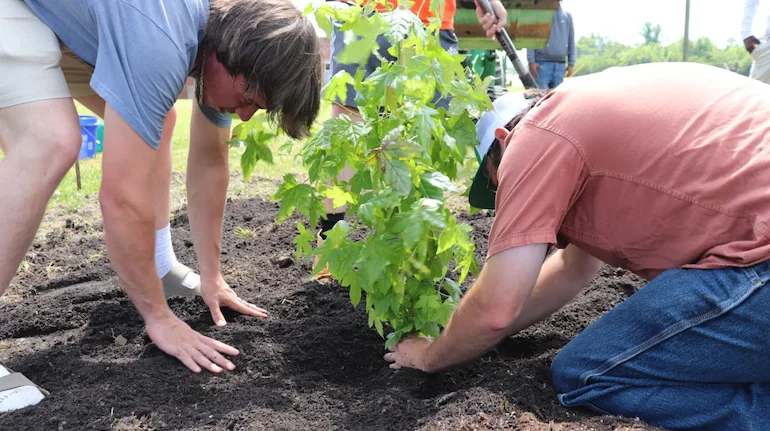
In Toledo, Ohio, Marshall STEMM Academy incorporated the Moon tree into their curriculum. From second graders engaging in reading activities centered on the tree to fourth graders preparing Moon tree presentations, the seedling has become an educational tool that connects students to space science.
Even local leaders and school board members have been inspired by the initiative, participating in a dedication ceremony to honor the tree and its symbolic significance.
Fostering Environmental Stewardship
NASA’s Moon tree program is not just about space; it’s about the planet we call home. Many communities have used the opportunity to create greener spaces, planting additional trees to complement their Moon tree seedlings and promote a healthier environment.
In Castro Valley, California, the non-profit organization ForestR planted oak, fir, and sequoia trees around their Moon tree, creating a supportive “tree family.” These efforts not only emphasize the importance of ecological balance but also demonstrate how space exploration and environmental conservation can go hand in hand.
The Gathering Garden in Mount Gilead, North Carolina, took a similar approach, surrounding their Loblolly Pine Moon tree with care and dedication from community volunteers.
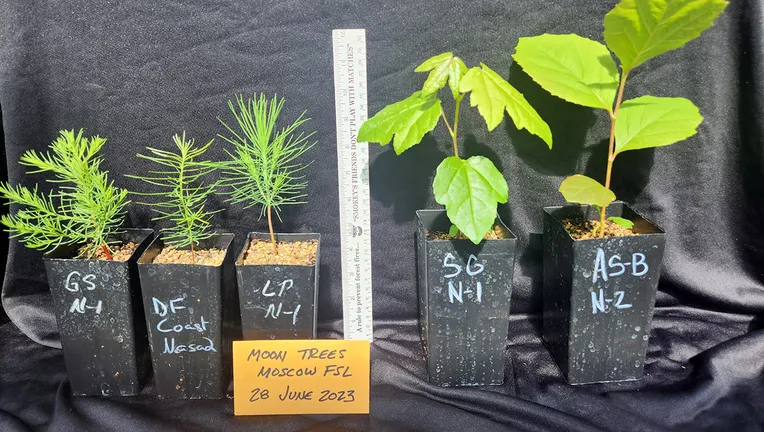
The garden has become a hub for environmental education, with local schools and 4-H clubs using the space to teach lessons about botany, sustainability, and space exploration. Regular updates through newsletters and social media ensure that the tree’s progress remains a point of pride for the community.
By integrating their Moon tree seedlings into broader environmental initiatives, these organizations exemplify how science and sustainability can intertwine to inspire meaningful change.
A Legacy of Exploration and Education
The Artemis I Moon trees continue a tradition that began during NASA’s Apollo 14 mission, when astronaut Stuart Roosa carried tree seeds into lunar orbit. Those original Moon trees were symbols of hope and exploration, and today’s Artemis I Moon trees carry forward that legacy, bridging the gap between generations.
NASA’s partnership with the USDA Forest Service has allowed this initiative to flourish. The trees, which include species like American Sycamore and Loblolly Pine, are symbols of resilience and growth. Each seedling’s journey—from space to Earth and finally to its new home—tells a story of innovation, exploration, and connection.
These Moon trees have also fostered educational opportunities that transcend traditional classroom learning. At Eagle Pointe Elementary, for instance, the tree has inspired hands-on science activities, creative writing assignments, and even lessons on history and space exploration. Students learn not only about the biological needs of the tree but also about humanity’s aspirations to explore the cosmos.
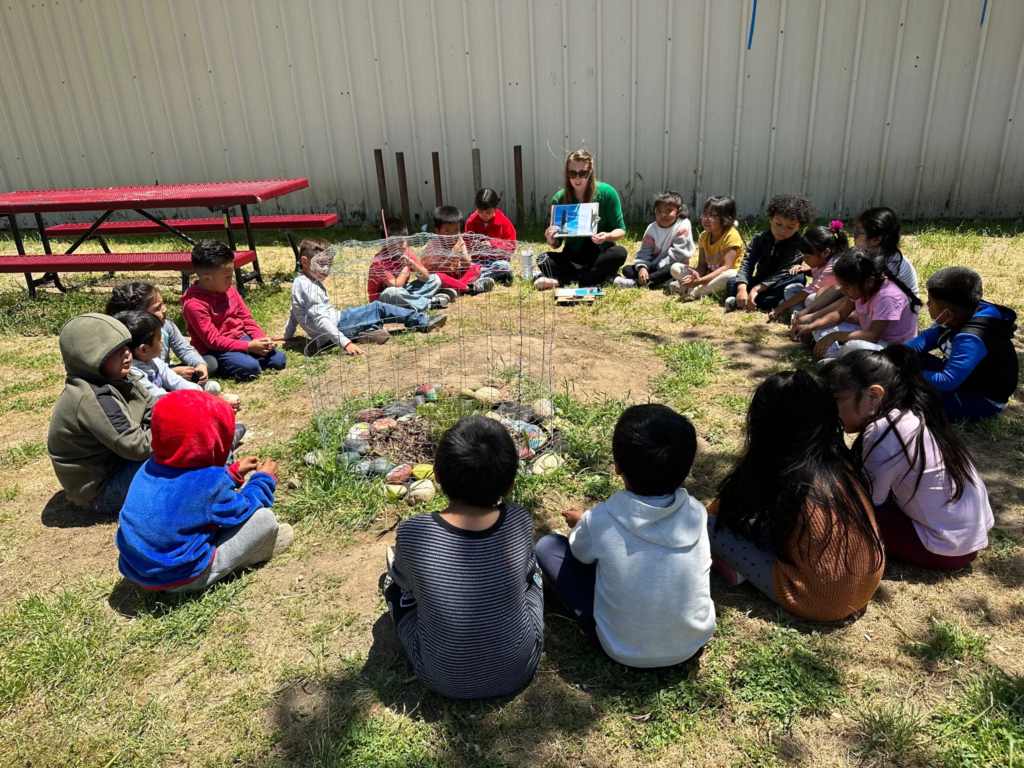
Beyond schools, federal agencies, universities, and museums have found unique ways to integrate the Moon trees into their missions. These efforts include public ceremonies, collaborative community projects, and ongoing educational initiatives that highlight the role of space exploration in advancing science and improving life on Earth.
Rooted in Hope, Growing for the Future
The Moon trees of the Artemis I mission are more than just seedlings; they are living representations of humanity’s boundless curiosity and the desire to connect Earth to the stars. As new homes for additional Moon tree seedlings are identified through 2025, communities across the country will continue to benefit from the impact of NASA’s efforts.
This initiative underscores the broader goals of the Artemis program: to inspire, educate, and advance science for the benefit of all. By fostering connections between communities, the environment, and space exploration, NASA’s Moon trees have become a beacon of hope, proving that even a tiny seed can grow into something extraordinary.