
Japan is widely regarded as one of the safest countries for solo travelers, often praised for its low crime rate, courteous people, and well-organized public services. Its reputation has made it a go-to destination for tourists seeking peace of mind.
However, a recent incident has challenged this image, raising questions about the true safety of traveling alone in this so-called “paradise” for solo adventurers. The horrifying experience of Natalisi Taksis, a solo traveler from Thailand, serves as a stark reminder that even the safest of places can have their vulnerabilities.
The Incident: A Horrifying Discovery
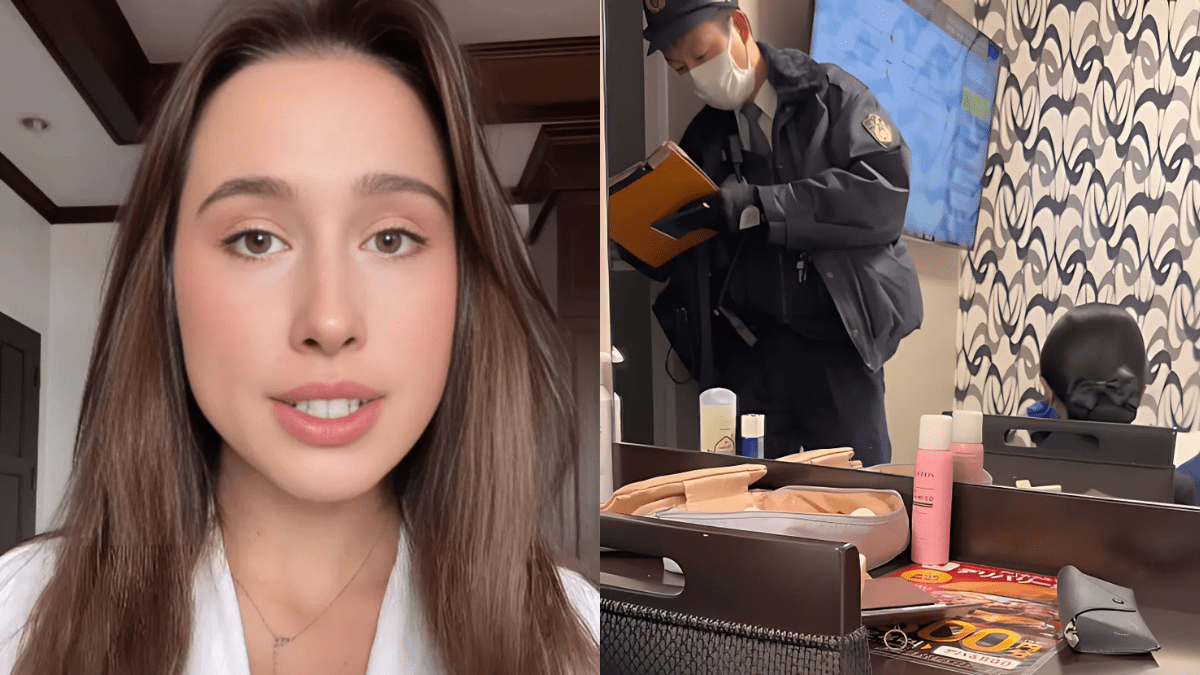
It was supposed to be an unforgettable vacation in the Land of the Rising Sun for Natalisi Taksis. Like many solo travelers, she sought a peaceful escape to explore the vibrant city of Tokyo, a city known for its incredible blend of modernity and tradition. However, her dream trip quickly turned into a nightmare when she discovered a man hiding under her hotel bed at the APA hotel.
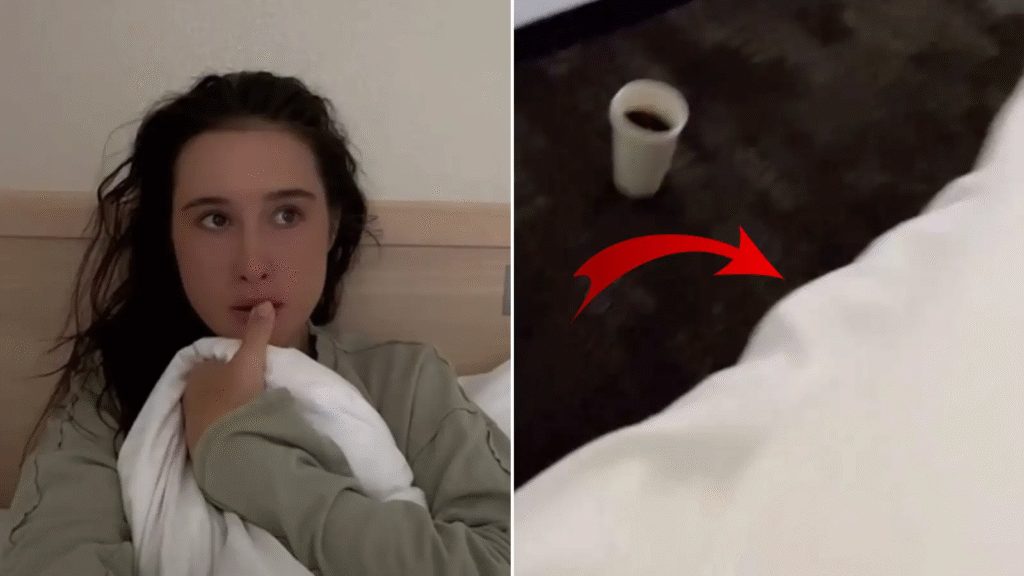
Taksis, who was staying in the hotel alone, had entered her room after a long day of sightseeing, expecting nothing out of the ordinary. However, as she began to settle in, she noticed something strange under the bed.
When she looked closer, her heart dropped—the unmistakable outline of a person was hidden beneath the frame. In her viral video, she described seeing two eyes staring back at her, frozen in terror.
Read : Man Jumps Out of Hotel Window During Argument with Girlfriend in China: Watch
The sheer shock of the situation left her stunned and momentarily paralyzed. The stranger, a man who appeared to be of Asian descent, fled as soon as he was discovered. This chilling encounter left Taksis feeling vulnerable and unsafe, questioning the security of the hotel she had trusted for her stay in Tokyo.
Lack of Support and Concerns About Security
After the shocking discovery, Taksis immediately reported the incident to the hotel staff. To her dismay, the hotel’s response was far from satisfactory. Despite being a high-profile hotel chain with a reputation for safety, APA Hotel failed to provide adequate support.
The hotel claimed that its CCTV cameras were not working at the time of the incident, raising serious doubts about their overall security system. The fact that such a lapse in security was not promptly addressed only deepened Taksis’ concerns.
The hotel’s management also refused to issue a full refund for her stay, despite the traumatic nature of the event. When she requested a copy of the police report, she encountered further resistance, as the hotel seemed unwilling to cooperate fully with the authorities.
This lack of transparency and refusal to take responsibility led to frustration, leaving Taksis feeling helpless and unsupported. Adding to her distress, the police investigation didn’t seem to be proactive.
Investigators discovered a power bank and a USB cable left behind by the intruder, but no further leads emerged immediately. This sluggishness in the investigation, combined with a lack of action from the hotel, made the entire situation even more disheartening. Taksis, feeling unsafe, moved to another hotel that same night, but the emotional toll of the experience lingered long after.
Public Reaction: Outrage and Misinformation
Taksis’ story quickly went viral on social media, with people around the world expressing their disbelief and anger at the situation. Many users expressed concern for her well-being, condemning the hotel’s poor response.
Some even called for the APA hotel chain to be banned from booking platforms, arguing that no one should have to experience such a traumatic incident while staying at what was supposed to be a safe and secure location.

While some commenters voiced support for Japan as a whole, others used this incident to question the idea that Japan is entirely safe for solo travelers. One social media user wrote, “I’m not saying that Japan is unsafe, but the APA hotel is not safe. Japan is a nice country.” This remark reflects the dichotomy many people face when their expectations of a destination are shattered by a single disturbing incident.
Despite the criticisms, it is essential to remember that this is one isolated event in a country that still enjoys a low crime rate compared to other places worldwide. Nevertheless, Taksis’ experience highlights how safety for solo travelers can never be taken for granted, even in seemingly secure locations.
Exploring Japan’s Reputation for Safety
Japan has long been regarded as one of the safest countries in the world, especially for solo travelers. This reputation is built on several factors, including its low crime rate, high levels of public trust, and the country’s strict adherence to law and order.
Major cities like Tokyo, Osaka, and Kyoto are considered among the safest metropolitan areas in the world, with well-maintained infrastructure and security systems. However, the recent incident with Taksis serves as a reminder that safety is not always guaranteed, even in places with an excellent track record.
While it is true that violent crime is rare in Japan, petty crime and hotel-related incidents can still occur. Hotel safety, in particular, is an area that can be overlooked by travelers, especially in a country like Japan where high-tech security systems are often assumed to be foolproof.
It is also crucial to acknowledge that not all accommodations are created equal. While Japan’s hospitality industry generally upholds high standards, isolated incidents like Taksis’ suggest that travelers should remain vigilant, even when staying at well-known hotel chains. Choosing accommodations with verified safety measures and a proven track record of handling emergencies can go a long way in ensuring a safe and enjoyable experience.
The Importance of Awareness and Preparedness
While Taksis’ harrowing encounter has understandably sparked concern, it also offers valuable lessons for solo travelers, particularly women. Her experience highlights the importance of being aware of one’s surroundings and taking precautions, even in places renowned for their safety. No matter how secure a destination is, it’s always wise to stay prepared for the unexpected.
Solo travelers, especially women, should take steps to ensure their safety when staying in hotels. Researching hotels thoroughly, reading guest reviews, and checking for any safety-related issues or incidents can help ensure peace of mind.
Additionally, always keep emergency contact numbers on hand and ensure that someone close to you is aware of your travel plans and accommodations. It’s also advisable to trust one’s instincts—if something feels off, it’s better to err on the side of caution.
The experience of Natalisi Taksis has shown that even in a country with a stellar reputation for safety, no place is completely free of risk. However, with the right preparation and awareness, travelers can still enjoy their trips while minimizing the chances of encountering similar frightening situations.
While Japan remains one of the safest countries to visit, travelers must not let their guard down entirely. Safety, as Taksis’ experience underscores, is not guaranteed—even in the safest of places. Being informed, prepared, and proactive can help ensure that any traveler’s journey remains as safe and enjoyable as possible.
References:
Nv1 Casino Bewertung https://www.jidelniplan.cz/
References:
Mirage Casino Einzahlung http://es.thefreedictionary.com/
References:
National Casino Bonus ohne Einzahlung wordpress.com
References:
Winnita Casino Bonus ohne Einzahlung http://n2ch.net
References:
Hexabet Casino Bewertung http://bzgm.alafdal.net/go/aHR0cHM6Ly9qb2JzLmtodHAuY29tLm15L2VtcGxveWVyLzkxMTAwLzFnby1jYXNpbm8tYm9udXMtMjAyNi01MC1mcmVpc3BpZWxlLW9obmUtZWluemFobHVuZy8
References:
Casino Royal Erfahrungen ww.visit-x.net
References:
Swift Casino App vsfs.cz
References:
Wildz Casino Erfahrungen http://pasarinko.zeroweb.kr/
References:
Quickwin Casino Einzahlung https://www.mong9editor.com/xe/for_ckeditor/2437
References:
Lucky Elf Casino Login https://jobs.khtp.com.my/employer/92199/instant-casino-freispiele-tages-aktionen/
References:
Quickwin Casino Test https://montenegro-racing.com/convert/index.php?action=profile;u=33332