
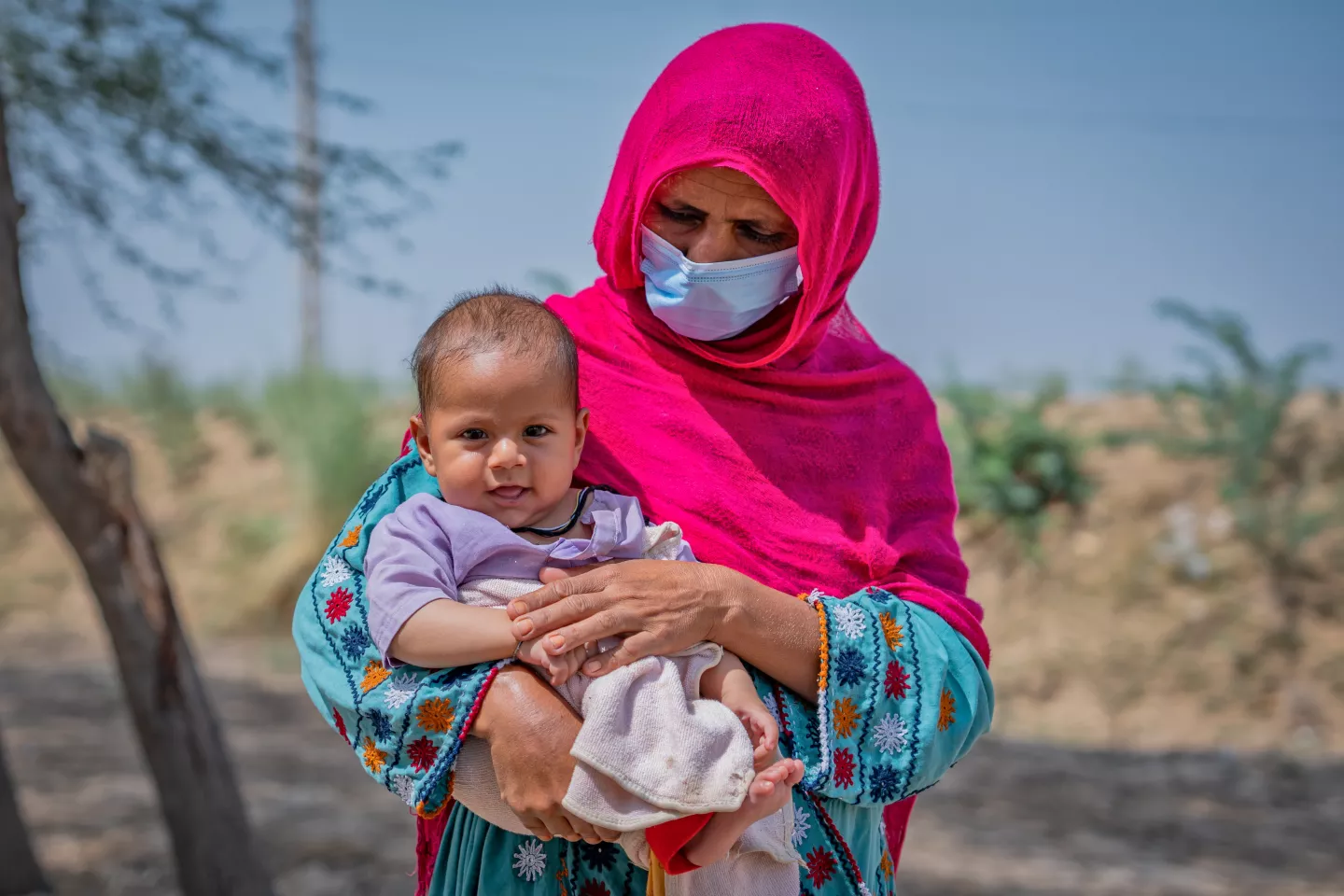
Balochistan, the largest province in Pakistan by area, faces a critical and persistent challenge: malnutrition among its children. A recent nutrition survey paints a grim picture, revealing that nearly half—49.6%—of children across all 36 districts are at severe risk.
This alarming statistic has brought to light a silent crisis that affects not only the physical and mental development of children but also the province’s future prospects.
The Impact of Malnutrition on Children
Malnutrition in Balochistan has devastating consequences for children’s health and development. At its core, malnutrition weakens children’s immune systems, leaving them vulnerable to preventable diseases. Common illnesses such as measles, which would be manageable under normal circumstances, often become fatal for these children.
Physically, malnutrition stunts growth and leads to significantly lower weight and height compared to children in better-nourished regions.
These children struggle with concentration, energy levels, and overall well-being, which impacts their ability to attend school or participate in daily activities. Over time, the lack of proper nutrition affects not only their childhood but also their potential to lead healthy and productive adult lives.
Read : Polio Cases Rising in Pakistan: Tally Reaches 55 in 2024
Health experts underscore that the effects of malnutrition extend beyond physical health. Cognitive development is also compromised, with long-term repercussions for educational attainment and socio-economic mobility.
Read : Pakistan’s Debt Hits Record High at PKR 67.816 Trillion
To combat these outcomes, affected children need immediate and specialized care, including nutrient-rich diets and continuous medical monitoring. Unfortunately, such interventions remain scarce in Balochistan due to systemic challenges.
Underlying Causes of the Crisis
Several interrelated factors contribute to the ongoing malnutrition crisis in Balochistan. Poverty stands as a primary driver, with a significant portion of the population living below the poverty line. Families struggling to meet basic needs often prioritize survival over nutrition, leading to inadequate dietary intake for children.
Inadequate breastfeeding practices also exacerbate the problem. Many mothers in the region lack access to information and support regarding proper infant feeding practices, including exclusive breastfeeding during the first six months of life. This gap in maternal knowledge leads to early malnutrition, often setting the stage for lifelong health challenges.

Natural disasters such as floods and droughts frequently disrupt food supplies in the province. Balochistan’s harsh climatic conditions, coupled with weak infrastructure, make food shortages a recurring issue. The situation worsens in remote areas, where families rely on subsistence farming and are severely impacted by climate variability.
Moreover, the ongoing food insecurity in the region compounds the crisis. Persistent shortages of essential food items, coupled with rising prices, put nutritious meals out of reach for many households. This vicious cycle perpetuates malnutrition and deepens the crisis.
The Need for Urgent Action
Despite being under a nutrition emergency since 2018, Balochistan has seen little progress in addressing the crisis. The Nutrition Directorate, tasked with implementing interventions, struggles due to a lack of funding and resources. Government initiatives, although well-intentioned, often fall short of translating into effective action on the ground.

Experts call for immediate measures to address this crisis comprehensively. Financial support is a critical first step, enabling the implementation of programs that target malnutrition at its roots. Public awareness campaigns are also essential to educate families on the importance of proper nutrition and breastfeeding practices.
In addition, addressing poverty and food insecurity requires coordinated efforts between government agencies, non-governmental organizations, and international partners. Creating sustainable food systems, investing in rural infrastructure, and providing social safety nets can help alleviate the burden of malnutrition.
The voices of concerned citizens are growing louder, demanding accountability and action. As the situation worsens, it is clear that delays in intervention will only exacerbate the long-term impact on Balochistan’s children and the province’s development.