
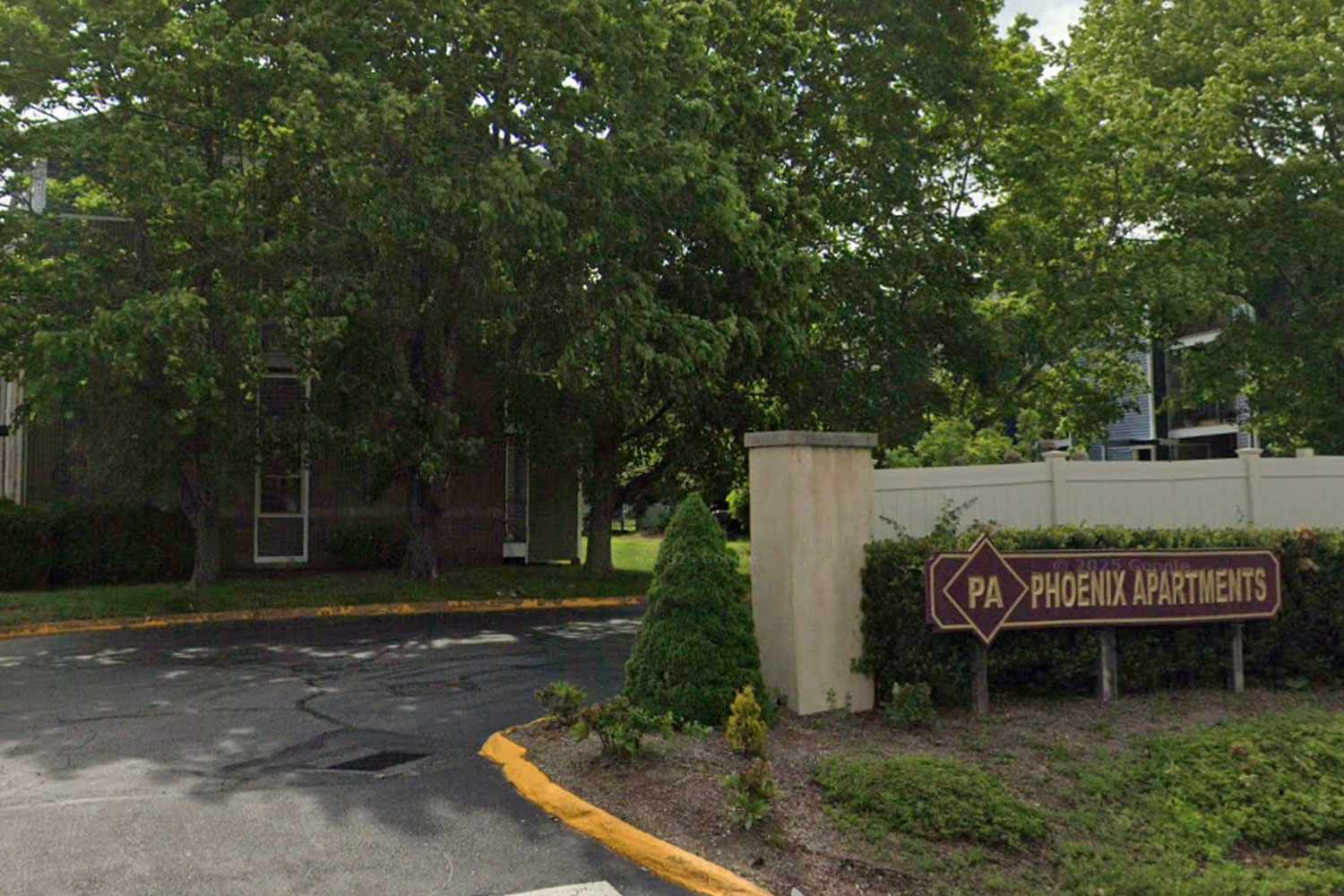
In the quiet coastal town of Groton, Connecticut, a routine evening shattered into chaos on September 14, 2025. What began as an ordinary night for a young woman upstairs in her apartment ended with her fighting for her life in the intensive care unit. The culprit? A single accidental gunshot from her downstairs neighbor, 30-year-old Caleb Bean, who claimed he was merely handling his rifle at home. This tragic incident has sent ripples through the community, raising urgent questions about firearm safety in residential settings and the fine line between accident and negligence.
As the victim remains hospitalized with life-threatening injuries, authorities have moved swiftly, charging Bean with serious offenses that underscore the gravity of the event. Groton, a suburb nestled along the Thames River, is known for its mix of historic charm and modern suburban life, home to naval submarine base workers and families seeking affordable housing. The apartment complex where this incident unfolded is a typical multi-unit building, the kind where neighbors share thin walls and floors, unaware of how perilously close danger can lurk.
At approximately 10:52 p.m., multiple 911 calls flooded dispatchers, reporting the sound of a gunshot echoing through the building. Among the callers was Bean himself, who immediately confessed to police that he had accidentally discharged his firearm while attempting to cycle the action of his rifle. The bullet tore through the ceiling of his unit and into the apartment above, striking the 25-year-old woman in a devastating manner. Eyewitness accounts and police reports paint a harrowing picture of the immediate aftermath.
The woman, whose identity has not been publicly released out of respect for her privacy, collapsed from the impact, her injuries described as severe and requiring immediate emergency intervention. Neighbors rushed to her aid, providing first aid until paramedics arrived. Bean, according to the arrest warrant, approached one witness and admitted, “I’m the one who did this. What can I do to help?” His cooperation, while notable, did little to mitigate the horror unfolding above him. The scene was a stark tableau of domestic normalcy disrupted: bullet casings on the floor below, a hole punched through the ceiling, and upstairs, a young life hanging in the balance.
The Immediate Aftermath: From Gunshot to Emergency Surgery
The response from first responders was swift and coordinated, a testament to the well-oiled emergency services in southeastern Connecticut. Groton Police Department officers arrived within minutes, securing the scene and ensuring no further threats. The woman was rushed to Lawrence & Memorial Hospital in nearby New London, where she underwent emergency surgery to address her life-threatening wounds.
As of the latest updates, she remains in the intensive care unit, her condition listed as critical but stable. Medical experts familiar with gunshot trauma emphasize that such injuries, especially to the torso or vital areas, can lead to complications like internal bleeding, organ damage, and long-term rehabilitation needs. The exact location of the wound has not been disclosed, but the severity underscores why even “accidental” discharges demand the utmost caution.
Downstairs, investigators from the Groton Police Detective Division meticulously processed Bean’s apartment. They recovered an AR-15-style semi-automatic rifle, a popular but controversial firearm known for its high velocity and stopping power. The rifle’s presence in a residential apartment immediately raised eyebrows, as Connecticut has some of the nation’s strictest gun laws, including assault weapons bans and safe storage requirements. According to police affidavits, Bean stated he was simply manipulating the rifle’s action—racking the slide to chamber a round—when it went off unexpectedly.
Read : 56-Year-Old Woman Arrested for Holding Stepson Captive for 20 Years in Connecticut
No prior complaints about Bean or firearm activity in the building were noted, suggesting this was an isolated, albeit catastrophic, mishap. The emotional toll on the building’s residents cannot be overstated. Interviews with neighbors reveal a community in shock, with many describing the woman as friendly and unassuming—a young professional perhaps enjoying a quiet night in.
Read : Rapper Travis Scott Arrested in Florida for Disorderly Intoxication and Trespassing
One resident, speaking anonymously to local reporters, recounted hearing the bang and the subsequent screams: “It sounded like a firecracker at first, but then the cries… it was terrifying. We’re all on edge now, wondering if our homes are really safe.” The incident also damaged property beyond the human cost: two counts of criminal mischief charges stem from the bullet’s path, which not only pierced the ceiling but also caused structural harm to the shared flooring and walls.
Legal Ramifications: Charges and the Path to Court
Caleb Bean, a 30-year-old resident with no prior criminal record mentioned in public reports, was arrested at the scene and booked into custody. The charges leveled against him are severe, reflecting prosecutors’ view that recklessness played a pivotal role in the tragedy. He faces first-degree assault, two counts of first-degree reckless endangerment—one for the victim and potentially for bystanders—unlawful discharge of a firearm within city limits, two counts of third-degree criminal mischief, and second-degree breach of peace. These felonies carry potential sentences ranging from years in prison to decades, depending on the outcome of the case and the victim’s recovery.
Initially held on a $250,000 cash or surety bond, Bean’s detention was a clear signal of the justice system’s intent to hold him accountable. However, a judge later reduced the bond to $15,000, allowing for his release under conditions that likely include no contact with the victim and surrender of any remaining firearms. Connecticut’s legal framework treats accidental shootings with gravity, especially in densely populated areas.

Under state law, first-degree assault requires intent to cause serious physical injury, but prosecutors can argue that Bean’s actions—handling a loaded weapon indoors without apparent safety measures—constitute criminal negligence amounting to intent. The reckless endangerment charges highlight the broader risk to others in the building, as bullets can ricochet or penetrate multiple structures.
Bean’s defense may hinge on the “accidental” nature of the discharge, potentially claiming mechanical failure or momentary lapse. Yet, firearm safety advocates point out that such incidents are preventable. Robert Guest, a firearms safety instructor from Eastern Connecticut Firearms Safety, commented on the case, stressing fundamental rules: “Keep your finger off the trigger until ready to shoot, and treat every gun as loaded.”
Bean’s immediate self-reporting could mitigate some culpability, but it won’t erase the charges. As the case progresses to arraignment and possibly trial, it will likely draw scrutiny from gun rights groups and reform advocates alike, testing Connecticut’s balance between Second Amendment rights and public safety.
Broader Implications: Gun Safety in Everyday America
This heartbreaking event extends far beyond one apartment complex, shining a spotlight on the pervasive risks of firearms in American homes. The United States sees thousands of unintentional shootings annually, with the Centers for Disease Control and Prevention reporting over 500 accidental deaths from guns each year. Residential settings like this one amplify the danger: thin apartment floors offer little barrier to a high-caliber round from an AR-15, which can travel through multiple walls. Experts note that semi-automatic rifles, while legal for many under federal law, require rigorous training and adherence to protocols that Bean seemingly overlooked.
Connecticut’s robust gun regulations—universal background checks, waiting periods, and bans on high-capacity magazines—contrast sharply with laxer states, yet tragedies persist. This incident prompts calls for enhanced education, perhaps mandatory safety courses for owners or incentives for secure storage devices like biometric safes. Community leaders in Groton have already convened town halls, discussing ways to support the victim through fundraisers and counseling services. For the young woman upstairs, recovery—if achieved—will involve not just physical healing but emotional scars from a violation of her sanctuary.
As of September 22, 2025, the story remains unfolding. The victim’s family has requested privacy, focusing energies on her ICU bedside vigil. Bean, out on bond, awaits his day in court, a man whose split-second error has upended lives. In Groton and beyond, this serves as a stark reminder: in the comfort of home, the line between safety and catastrophe is as thin as a ceiling tile. Preventing the next such nightmare demands vigilance, education, and unflinching accountability. Our thoughts remain with the survivor, hoping for her strength amid unimaginable adversity.