
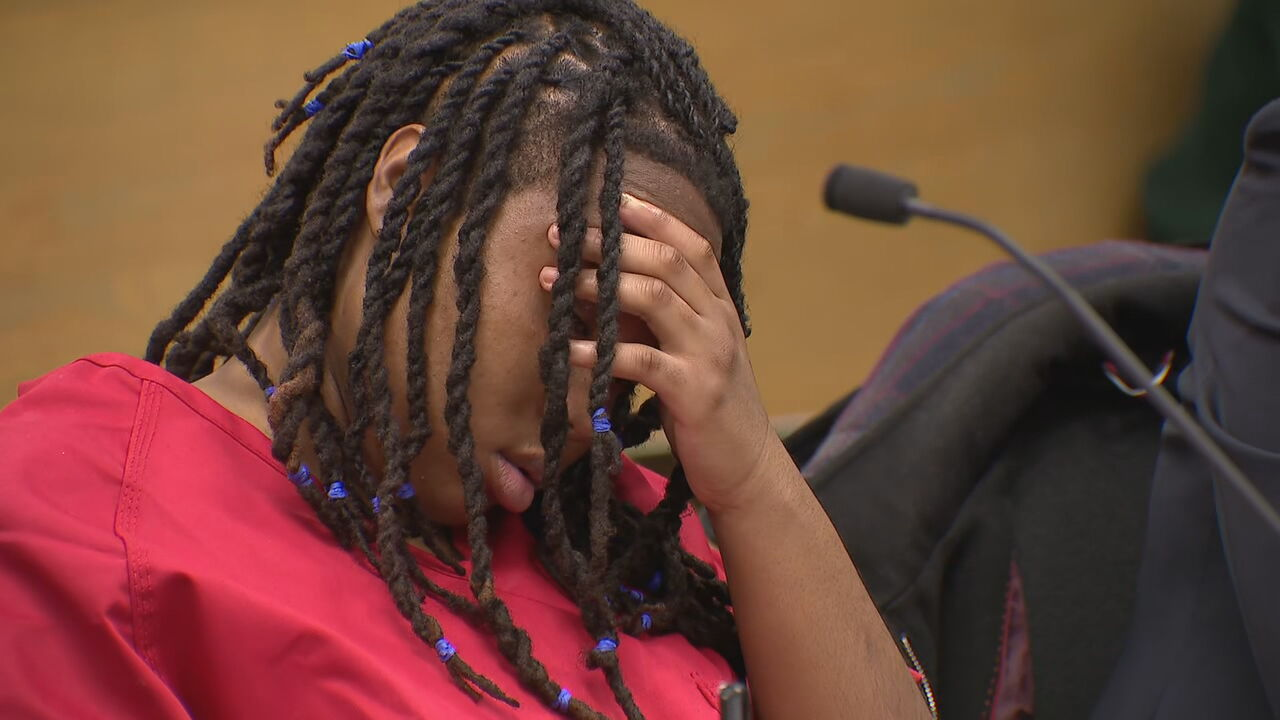
A Seattle courtroom fell silent as a judge delivered a sentence that attempted to balance justice, accountability, and the weight of irreversible loss. The case of Ne’lani Allen-Bailey, who pleaded guilty to the fatal shooting of rideshare driver Amare Geda in 2023, brought into focus the devastating consequences of a single act of violence.
At just 18 years old at the time of the crime, Allen-Bailey’s actions not only ended a man’s life but also reshaped the lives of an entire family and left a community grappling with grief. The 20-year prison sentence handed down reflects the severity of the crime while also acknowledging the complex personal history presented in court. Yet, as the victim’s family made clear through emotional statements, no legal outcome can restore what was taken.
A Crime That Shattered a Family and Community
On August 8, 2023, Amare Geda was working as a rideshare driver, carrying out what had likely been an ordinary day, supporting his family through his job. Just 30 minutes before he was expected to return home, he was shot and left for dead. The suddenness of the act and the senselessness of the violence intensified the shock for his loved ones. What should have been a routine evening turned into a moment that permanently altered the course of multiple lives.
Following the shooting, Ne’lani Allen-Bailey stole Geda’s car and continued to use it for two days. During that time, she reportedly discarded his personal belongings, including his phone, and went about daily activities such as visiting family members, smoking marijuana, and getting her hair done. The casual nature of these actions, carried out while in possession of both the victim’s vehicle and the weapon used in the crime, became a significant point of concern for prosecutors. It underscored not only the gravity of the crime itself but also the apparent lack of immediate accountability in its aftermath.
Investigators also revealed that the firearm used in the murder had been involved in another violent incident just weeks earlier. In that case, Allen-Bailey allegedly threatened and assaulted a transportation department employee who had recorded her and others vandalizing a tunnel. This prior encounter painted a broader picture of escalating behavior leading up to the fatal shooting, reinforcing the prosecution’s argument that the crime was both preventable and part of a pattern of violence.
Read : Good News for Tea Lovers!!! 21 Health Benefits of Drinking Tea Daily
For Geda’s family, the details of what happened only deepened their grief. He was described not just as a victim but as a central figure in the lives of those around him—a husband, a father, and a dependable presence in his community. His absence created a void that extended far beyond the immediate household, affecting relatives, friends, and others who knew him as someone who consistently showed up for the people in his life.
The Courtroom: Grief, Accountability, and a Troubled Past
During sentencing, the courtroom became a space where two contrasting narratives unfolded—one centered on loss and the other on a troubled upbringing. Members of Geda’s family delivered statements that reflected the enduring emotional toll of his death. His wife’s words, read aloud in court, conveyed the shock and pain of losing a partner without warning. She described how their children continue to struggle with the reality of their father’s absence, often expressing hope that he might somehow return.
Read : Barbara Rocha and Her 7-Year-Old Son Killed After 18-Year-Old Driver Crashes Into Their Home
One particularly heartbreaking account involved their young son, who reportedly believes his father may still be alive somewhere, and their daughter, who expressed a desire to become a rideshare driver herself in the hope of reconnecting with him. These deeply personal reflections highlighted the long-term psychological impact of the tragedy, especially on children trying to make sense of a loss they are too young to fully comprehend.

Other family members reinforced the idea that Geda’s death was not an isolated loss but a broader community tragedy. He was remembered as a pillar of support, someone whose presence had meaning far beyond his immediate family. The language used in court emphasized that the consequences of the crime extended outward, affecting not just individuals but the social fabric of the community he was part of.
On the other side, the defense presented a portrait of Ne’lani Allen-Bailey as a young woman shaped by trauma, mental health struggles, and substance abuse. Family members and supporters described her as someone who had faced significant challenges from an early age, arguing that these factors contributed to her actions. They urged the court to consider her age and potential for rehabilitation, emphasizing that she should not be defined solely by the worst moment of her life.
Ne’lani Allen-Bailey herself addressed the court, offering an apology for her role in the crime. While brief, her statement acknowledged the harm caused and expressed remorse. Her legal team framed this as evidence of her capacity for reflection and change, advocating for a sentence that would allow for eventual reintegration into society.
Prosecutors, however, maintained that the severity of the crime warranted a substantial sentence. They pointed to the deliberate nature of the act, the subsequent behavior, and the prior violent incident as indicators that a strong response was necessary. They initially sought a sentence exceeding 23 years, arguing that anything less would fail to adequately address the impact of the crime and the need for public safety.
The Sentence and Its Lasting Implications
Judge Haydee Vargas faced the difficult task of weighing these competing perspectives. In her remarks, she acknowledged the profound loss experienced by Geda’s family while also recognizing the defendant’s troubled background. The decision ultimately resulted in a sentence of 20 years in prison, combining 180 months for the murder conviction with an additional 60-month enhancement for the use of a firearm.
Read : FedEx Driver Tyran Jackson Arrested After Stealing $62,000 in Undelivered Packages
The judge’s comments reflected the complexity of the case. She questioned how justice could truly be served in a situation where a life had been taken, emphasizing that no sentence could fully compensate for such a loss. At the same time, she considered the importance of rehabilitation, particularly given the defendant’s age and personal history. The sentence, therefore, was framed as an attempt to balance accountability with the possibility of future change.
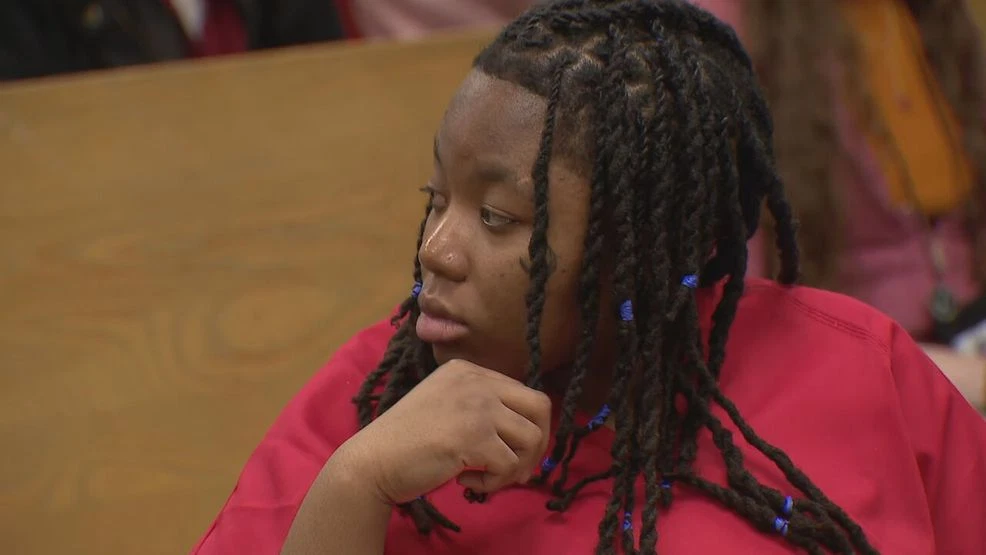
In addition to prison time, Ne’lani Allen-Bailey will be required to undergo mental health and substance abuse treatment upon release and will remain under supervision for three years. She has also been ordered to pay restitution to the victim’s family. These conditions signal an effort to address underlying issues that may have contributed to the crime while ensuring continued oversight after her incarceration ends.
For the Geda family, however, the outcome does not equate to closure. In a statement, his wife expressed a sentiment that resonated throughout the courtroom: no sentence can bring her husband back. The legal process may have concluded with a formal judgment, but the emotional and personal consequences of the tragedy remain ongoing.
The case also raises broader questions about youth, violence, and accountability. Allen-Bailey’s age at the time of the crime places her within a category of offenders whose actions are often examined through both punitive and rehabilitative lenses. The court’s decision reflects this dual approach, acknowledging the need for punishment while leaving room for the possibility of transformation over time.
At the same time, the incident highlights the vulnerabilities faced by rideshare drivers and others working in public-facing roles. Geda was engaged in his job, performing a service that connects people and supports families, when his life was abruptly taken. The randomness of the violence underscores the risks that can accompany such work, even in routine circumstances.
As the legal chapter of this case comes to a close, its impact continues to ripple outward. For one family, the loss of a husband and father remains a daily reality. For another, the consequences of a young woman’s actions will unfold over decades. The sentence of 20 years represents a formal resolution within the justice system, but it cannot erase the events of that August evening or restore the life that was lost.