

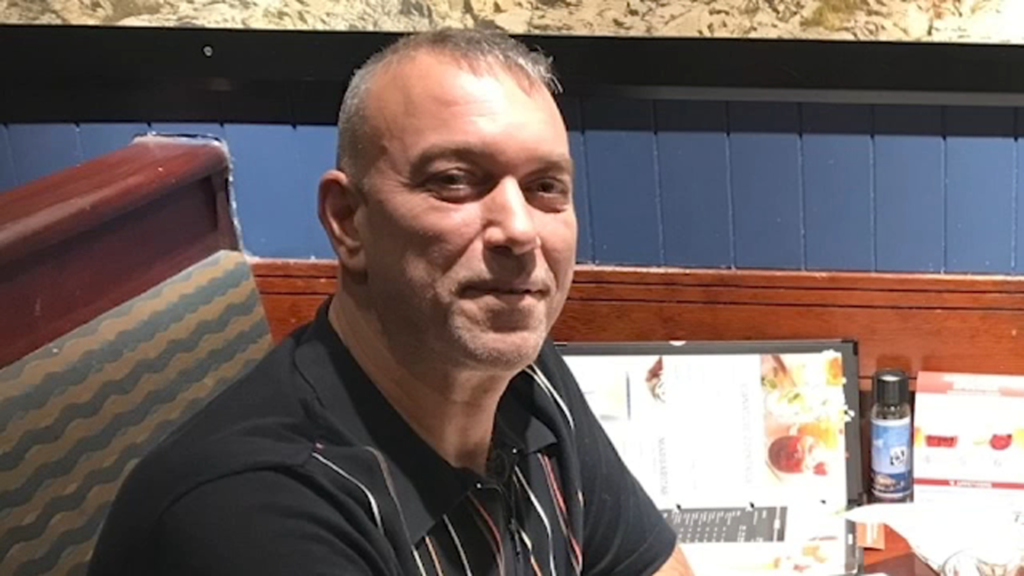
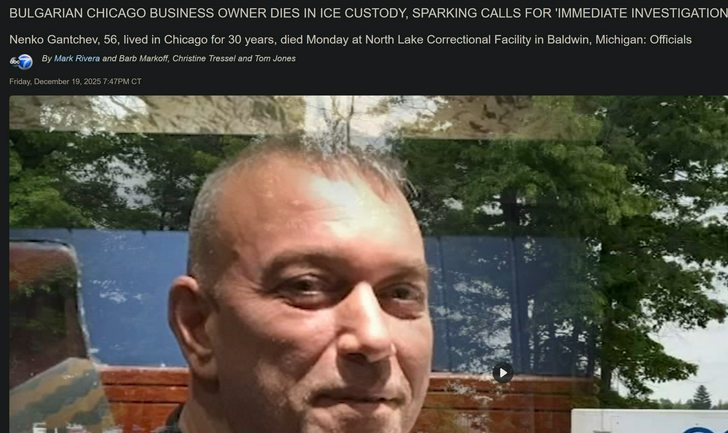
The death of Nenko Gantchev, a 56-year-old Bulgarian-born Chicago business owner, while in the custody of U.S. Immigration and Customs Enforcement has drawn national attention and renewed scrutiny of conditions inside federal immigration detention centers. Gantchev, a longtime resident of Chicago who operated a trucking business and was pursuing permanent legal status, was found unresponsive in his cell at the North Lake Correctional Facility in Baldwin, Michigan.
While the Department of Homeland Security has stated that his death is suspected to be from natural causes, elected officials, advocates, and family members have raised concerns about medical care, detention practices, and accountability, calling for a thorough and transparent investigation into the circumstances that led to his death.
The case has emerged amid broader debates over immigration enforcement strategies, private detention facilities, and the treatment of individuals held on civil immigration violations rather than criminal convictions. Gantchev’s death has also been cited as part of a larger pattern, with lawmakers noting a rising number of deaths in ICE custody nationwide in 2025. As investigations continue, the details surrounding Gantchev’s arrest, detention, medical condition, and final hours have become central to public discussion.
Background of the Arrest and Detention
Nenko Gantchev was arrested on Sept. 23 during “Operation Midway Blitz,” an immigration enforcement campaign conducted across the Chicago area. The operation was part of a broader federal initiative targeting individuals without legal immigration status. Gantchev, who had lived in Chicago for approximately three decades, was taken into ICE custody despite having longstanding ties to the community, including a business, family connections, and a pending effort to secure lawful permanent residency.
According to information provided by federal officials, Gantchev was detained at the North Lake Correctional Facility, a privately operated prison in Baldwin, Michigan, under contract with ICE. The facility houses individuals detained for immigration-related matters, which are civil rather than criminal proceedings. Gantchev reportedly had a pending bond appeal at the time of his death, indicating that his detention status was still under judicial review.
Reports from ABC7 Chicago indicated that Gantchev was among hundreds of immigrants whom a federal judge in Chicago ordered released on bond last month. That order, however, was later blocked by the 7th Circuit Court of Appeals, leaving many detainees, including Gantchev, in continued custody while legal proceedings played out. This procedural reversal meant that individuals who had anticipated release remained detained for an indeterminate period.
DHS officials have stated that Gantchev had been arrested four times since 1995, though they noted that charges were dropped in two cases and that outcomes in the remaining cases were unclear. No information has been released indicating that Gantchev had been convicted of serious crimes. His family and supporters have emphasized that he paid taxes, maintained lawful employment authorization for years, and operated his trucking company openly.
🚨ICE WITHHELD MEDICAL CARE FROM A DIABETIC MAN. HE DIED. THEN THEY MARKED HIM AS “RELEASED.”
— Jesus Freakin Congress (@TheJFreakinC) December 21, 2025
This is what happens when the government decides all immigrants are criminals.
Nenko Gantchev was 56 years old. He lived in Chicago for 30 years. He entered the U.S. legally on a… pic.twitter.com/OqXYzHOp4x
The North Lake Correctional Facility, like other privately run detention centers, has previously faced criticism over conditions, medical care, and oversight. While ICE maintains that contracted facilities must meet federal detention standards, advocacy groups have long argued that enforcement of those standards is inconsistent, particularly in cases involving detainees with chronic medical conditions.
Circumstances Surrounding Gantchev’s Death
On Monday, Gantchev was found unresponsive in his cell during a routine check at the North Lake facility, according to DHS. Officials stated that staff members attempted to provide medical treatment, but Gantchev was pronounced dead. DHS later indicated that his death was suspected to be from natural causes, though the official cause remained under investigation at the time of public reporting.
Family members and fellow detainees have disputed aspects of the official account, alleging that Gantchev had requested medical assistance prior to his death and did not receive timely or adequate care. These claims have become a focal point of calls for further inquiry. Gantchev’s loved ones have also said that the detention facility failed to provide diet accommodations appropriate for his type 2 diabetes, a condition that requires regular monitoring, medication, and dietary management.
Type 2 diabetes can lead to serious complications if not properly treated, including hypoglycemia, hyperglycemia, cardiovascular issues, and organ failure. Advocates argue that detention facilities have a heightened responsibility to manage such conditions, as detainees lack the ability to seek outside medical care independently. The allegation that dietary and medical needs were not adequately addressed has raised questions about compliance with ICE’s own detention standards.
U.S. Rep. Delia Ramirez of Illinois publicly called for an “immediate, transparent investigation” into Gantchev’s death. In her statement, she cited reports from other detainees who claimed Gantchev sought medical help that was not provided in time. Ramirez also placed the case within a broader national context, stating that at least 30 deaths have occurred in ICE detention centers this year, making 2025 the deadliest year on record for immigrants in ICE custody.
DHS officials have pushed back against suggestions of neglect, asserting that agency staff are committed to ensuring safe, secure, and humane environments for those in custody. They maintain that medical treatment was provided and that an investigation into the cause of death is ongoing. The department has not publicly released detailed medical records or timelines related to Gantchev’s care, citing privacy and investigative protocols.
Political, Legal, and Community Response
The death of Nenko Gantchev has prompted responses from lawmakers, immigrant rights organizations, and members of the Chicago community, many of whom view the case as emblematic of broader systemic issues within immigration detention. For elected officials like Rep. Ramirez, the focus has been on accountability and transparency, particularly when deaths occur in facilities that operate largely out of public view.
Read : Daycare Worker Beneta Wallace Accused of Dragging and Throwing 3-Year-Old into Office
Advocacy groups have emphasized that immigration detention is a civil process and that individuals held by ICE are not serving criminal sentences. They argue that prolonged detention, combined with limited access to medical care and legal resources, can exacerbate health risks, especially for older detainees or those with chronic illnesses. Gantchev’s case has been cited in renewed calls to limit the use of private detention facilities and to expand alternatives to detention, such as supervised release or electronic monitoring.
Within the Bulgarian and broader immigrant communities in Chicago, Gantchev’s death has been met with shock and anger. Friends and family described him as a hardworking business owner who arrived in the United States on a student visa, obtained a work permit, and spent decades building a life in the country. According to those close to him, he was actively pursuing a green card and believed he was on a path toward resolving his immigration status.
His wife, speaking to ABC7, questioned why her husband was treated as a criminal despite his long history of lawful employment and tax contributions. Her comments echoed a sentiment expressed by many immigrant families who see a disconnect between their lived experiences and the way immigration enforcement actions are carried out.
Legally, the case may also draw attention to the impact of court decisions that delay or block bond releases, resulting in extended detention periods. The 7th Circuit’s decision to block the release order affected hundreds of detainees, some of whom had already been deemed eligible for bond by a lower court. Critics argue that such delays increase the likelihood of adverse outcomes, including medical emergencies, particularly in facilities not designed for long-term confinement.
As investigations proceed, Gantchev’s death is likely to remain part of ongoing policy discussions in Congress and within DHS. Whether the case results in formal findings of wrongdoing, changes to detention practices, or broader legislative action remains uncertain. What is clear is that the circumstances surrounding his death have intensified scrutiny of ICE’s detention system at a time when immigration enforcement remains one of the most contentious issues in American public life.
**mitolyn reviews**
Mitolyn is a carefully developed, plant-based formula created to help support metabolic efficiency and encourage healthy, lasting weight management.