
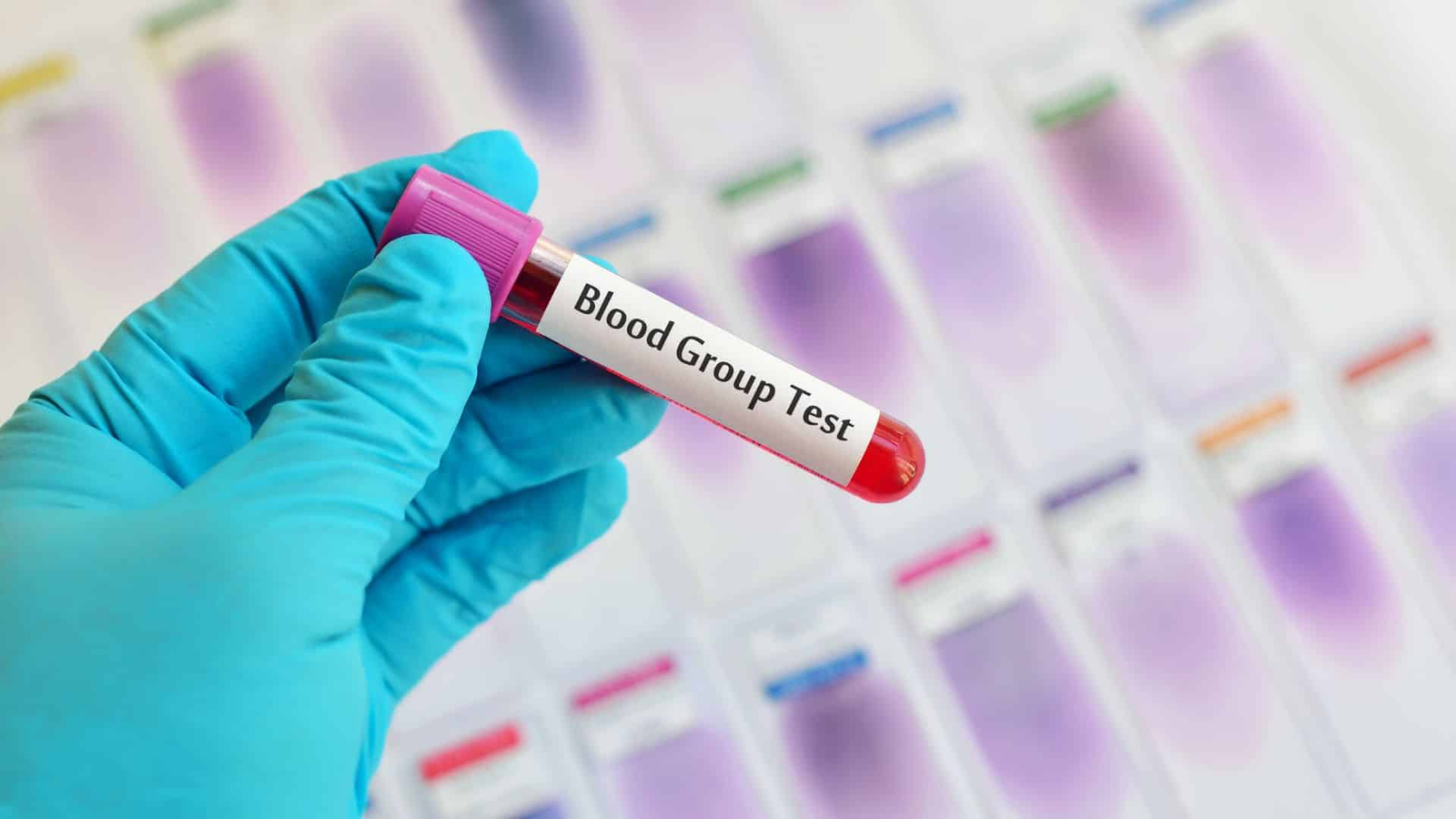
New blood group system discoveries have revolutionized our understanding of blood transfusions, and the latest breakthrough could save thousands of lives. After 50 years of research, scientists from NHS Blood and Transplant (NHSBT) have uncovered a new blood group system, called MAL, bringing new hope to patients across the globe.
The discovery, made by a dedicated team of scientists from South Gloucestershire and supported by the University of Bristol, solves the long-standing mystery behind the AnWj blood group antigen, which has baffled researchers since its discovery in 1972.
This new blood group system, identified through groundbreaking genetic testing, promises to improve the safety and compatibility of blood transfusions, particularly for patients with rare blood types. For decades, the AnWj blood group antigen was recognized but not fully understood, leaving healthcare providers with limited options when faced with patients who lacked the antigen.
Now, thanks to the tireless work of NHSBT scientists like Louise Tilley and her colleagues, a world-first test has been developed to identify individuals who are missing this rare antigen, paving the way for safer and more effective treatments.
The Discovery of MAL: A Breakthrough in Blood Science
The journey to uncover the new blood group system began over 50 years ago when the AnWj antigen was first discovered in 1972. Despite decades of research, the genetic background of this blood group antigen remained elusive until now. The MAL blood group system, as it is now known, offers a solution to the long-standing puzzle, and its discovery represents a major milestone in the field of transfusion medicine.
Researchers at NHSBT’s International Blood Group Reference Laboratory in Filton, led by senior scientist Louise Tilley, developed a test that can identify patients who lack the MAL antigen.
This breakthrough came after years of painstaking genetic testing and research. The team’s efforts were driven by a commitment to improving care for patients with rare blood types, and their discovery could have life-saving implications for people around the world.
The significance of this new blood group system cannot be overstated. Each person has proteins on the surface of their red blood cells called antigens, but a small number of individuals lack certain antigens, making blood transfusions risky.
For these patients, receiving blood with the wrong antigens can trigger life-threatening reactions. The new test will help identify these patients, ensuring they receive the safest possible transfusions.
Impact on Blood Transfusions and Patient Care
The discovery of the new blood group system is a game-changer for healthcare providers, particularly when it comes to treating patients with rare blood types. NHSBT, which acts as a last resort for approximately 400 patients worldwide each year, can now offer better care thanks to this new test.
By identifying patients who lack the MAL antigen, healthcare providers can more easily match them with compatible blood donors, reducing the risk of complications during transfusions.
The impact of this discovery extends far beyond the UK. As Nicole Thornton, head of the laboratory, explained, the new blood group system will benefit people around the world. NHSBT’s Filton laboratory plays a critical role in global blood research, providing antibodies and expertise to laboratories in other countries that have reached the limits of their capabilities.
With the development of this world-first test, NHSBT is now better equipped than ever to help patients with rare blood types receive the care they need.
One such patient is Philip Brown, who was diagnosed with a form of leukemia about 20 years ago. After undergoing numerous blood transfusions and a bone marrow transplant, Philip’s life was saved thanks to advances in transfusion medicine.
For patients like him, the discovery of the MAL blood group system offers new hope. By making blood transfusions safer and more reliable, this breakthrough could save countless lives in the years to come.
The Future of Blood Group Research
While the discovery of the new blood group system is a major achievement, it is just the beginning. Scientists at NHSBT are already working on new projects that could lead to the discovery of additional blood group systems and antigens. As Nicole
Thornton noted, resolving the genetic basis for the AnWj antigen was one of the laboratory’s most challenging projects, but it has opened the door to further research that could benefit even more patients in the future.
The development of genotyping tests for the MAL blood group system marks a significant step forward in transfusion medicine. These tests can be added to existing genotyping platforms, making it easier to identify both AnWj-negative patients and potential blood donors. This will not only improve the safety of blood transfusions but also enhance the ability of healthcare providers to care for patients with rare blood types.
The work being done at NHSBT’s International Blood Group Reference Laboratory is internationally significant. As Matthew Hill, a health reporter, explained, the laboratory’s contributions to blood research are unparalleled. Their expertise and innovation have made it possible for laboratories around the world to continue their research, and their latest discovery is expected to have a global impact.
For patients with rare blood types, the new blood group system offers a lifeline. By identifying individuals who lack the MAL antigen, healthcare providers can ensure that these patients receive blood transfusions that are not only safe but also life-saving. This breakthrough is the result of decades of research and dedication, and it represents a major advancement in the field of transfusion medicine.
In the years to come, scientists hope to build on this discovery and continue exploring the mysteries of the human blood system. As they work to identify new blood group systems and antigens, their research could lead to even more life-saving breakthroughs, improving the lives of patients around the world. The discovery of the MAL blood group system is a testament to the power of scientific research and its potential to transform healthcare for the better.