
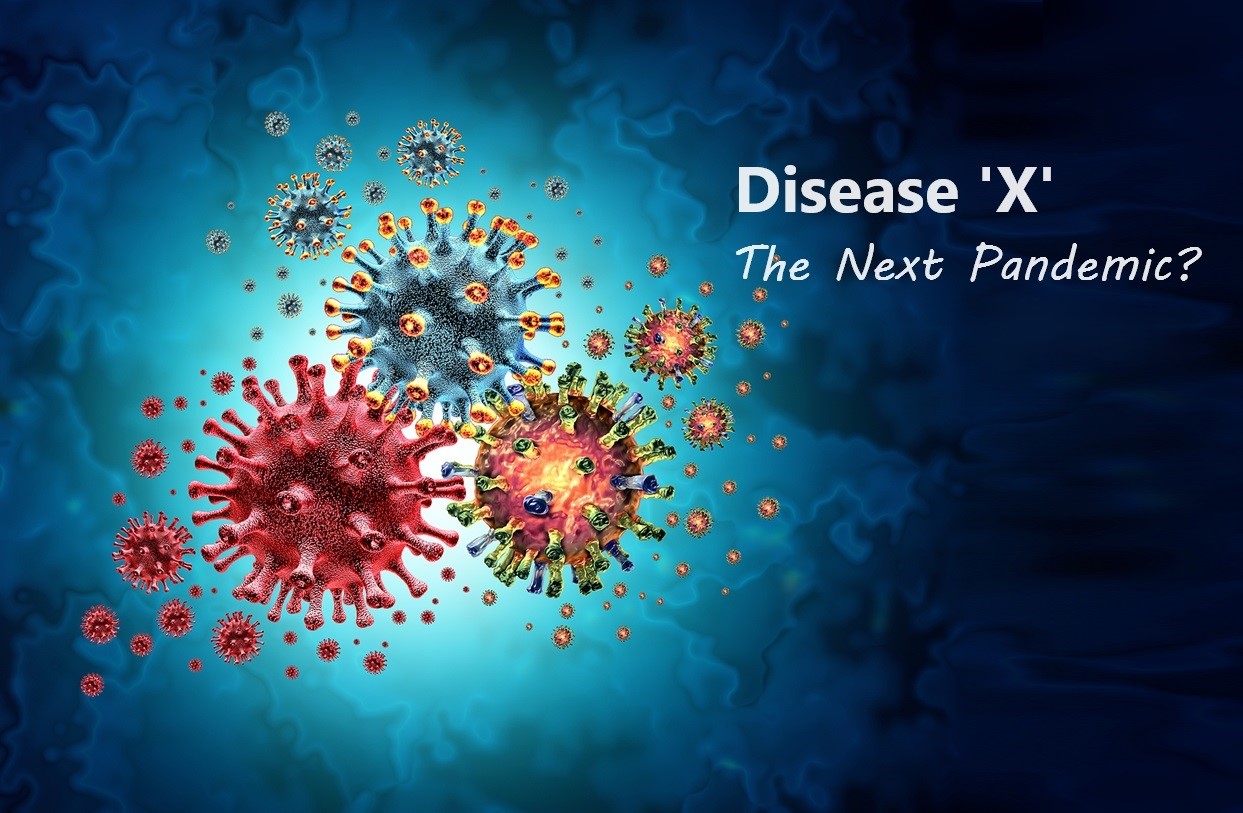
As the world grapples with the ongoing threat of known diseases, the World Health Organization (WHO) has sounded an alarm about a new, potentially more dangerous threat: the ‘X’ disease.
Throughout history, humanity has faced devastating pandemics that have shaped the course of civilization. The 1720 Plague, the 1918 Spanish Flu, and the recent COVID-19 pandemic have each left indelible scars, claiming millions of lives.
This looming danger, characterized by its uncertain origin and nature, demands global attention and preparedness to avert a potential catastrophe.
The Unpredictable Threat of ‘X’ Disease
The ‘X’ disease represents an unprecedented challenge for global health. Unlike previous pandemics that emerged from identifiable pathogens, the ‘X’ disease is an unknown entity.
It could arise from a virus, bacteria, or fungus, making it difficult for scientists to predict its behavior, origin, and mode of transmission. This ambiguity amplifies the urgency for international collaboration and research to stay ahead of the threat.
Epidemics have historically caused widespread devastation. The Spanish Flu, for instance, claimed over 50 million lives worldwide, earning the title of the ‘mother of all pandemics.’
Similarly, the COVID-19 pandemic brought the world to a standstill, affecting billions of lives and disrupting economies on an unprecedented scale. These events underline the need to learn from history and prepare for future threats like the ‘X’ disease.
Read : Bird Flu Can Be the Next Global Pandemic: Experts Warn
WHO’s warning serves as a stark reminder of the vulnerability of the global community to novel pathogens. The organization’s call for preparedness extends beyond governments and healthcare systems; it emphasizes the role of individual actions in combating the potential danger.
Read : Covid-19 Still Kills 1,700 a Week Around the World: WHO
By fostering a culture of health awareness and resilience, the global population can collectively mitigate the risks associated with emerging diseases.
Building Immunity: A Personal Defense Against the Unknown
One of the most effective ways to combat the threat of unknown diseases is to strengthen the immune system. A robust immune system acts as the body’s first line of defense against pathogens, reducing the likelihood of severe illness. Given the unpredictability of the ‘X’ disease, individual immunity can play a critical role in minimizing its impact.
Winter months often see a decline in immune strength, making people more susceptible to infections. Simple lifestyle changes can help bolster immunity during this period. Spending time in sunlight is a natural way to boost vitamin D levels, which are essential for immune function.
Similarly, incorporating nutrient-rich foods into the diet can enhance overall health. Fruits rich in vitamin C, such as oranges and guavas, green leafy vegetables, and turmeric milk are excellent options for boosting immunity.
Practicing yoga and meditation can also contribute to a stronger immune system by reducing stress and improving overall well-being.
Additionally, traditional remedies like Giloy-Tulsi decoctions have gained popularity for their potential immune-boosting properties. Adding almonds and walnuts to one’s diet provides essential nutrients like omega-3 fatty acids, which support immune health.
While these measures are beneficial, addressing underlying nutritional deficiencies is equally crucial. A significant proportion of the population suffers from deficiencies in key nutrients like iron, vitamin D, vitamin B12, calcium, and vitamin A. These deficiencies not only weaken the immune system but also increase vulnerability to a range of diseases.
Addressing Nutritional Deficiencies to Combat Health Risks
Nutritional deficiencies are a silent epidemic that compromises immunity and overall health. Iron deficiency, for instance, leads to anemia, which can cause fatigue, weakness, and increased susceptibility to infections.
Vitamin D deficiency is associated with a higher risk of depression, fatigue, and weakened immunity. Similarly, vitamin B12 deficiency can result in neurological issues and impaired cognitive function.
Calcium deficiency, often overlooked, can lead to joint pain, brittle bones, and an increased risk of chronic conditions. Vitamin A deficiency is another major concern, as it affects vision and increases the likelihood of severe infections. Addressing these deficiencies is essential for building resilience against health threats like the ‘X’ disease.

Simple dietary adjustments can go a long way in correcting these deficiencies. Consuming fortified foods, supplements, and a balanced diet rich in fruits, vegetables, and lean proteins can significantly improve nutritional status.
Additionally, incorporating specific spices known for their health benefits, such as turmeric, ginger, and cinnamon, can enhance overall well-being and support disease prevention.
WHO’s warning about the ‘X’ disease underscores the importance of a proactive approach to health. While the exact nature of this potential pandemic remains unknown, the lessons learned from past outbreaks highlight the need for vigilance, preparation, and individual responsibility.
Strengthening the immune system and addressing nutritional deficiencies are foundational steps in safeguarding against the unpredictable challenges of emerging diseases.