
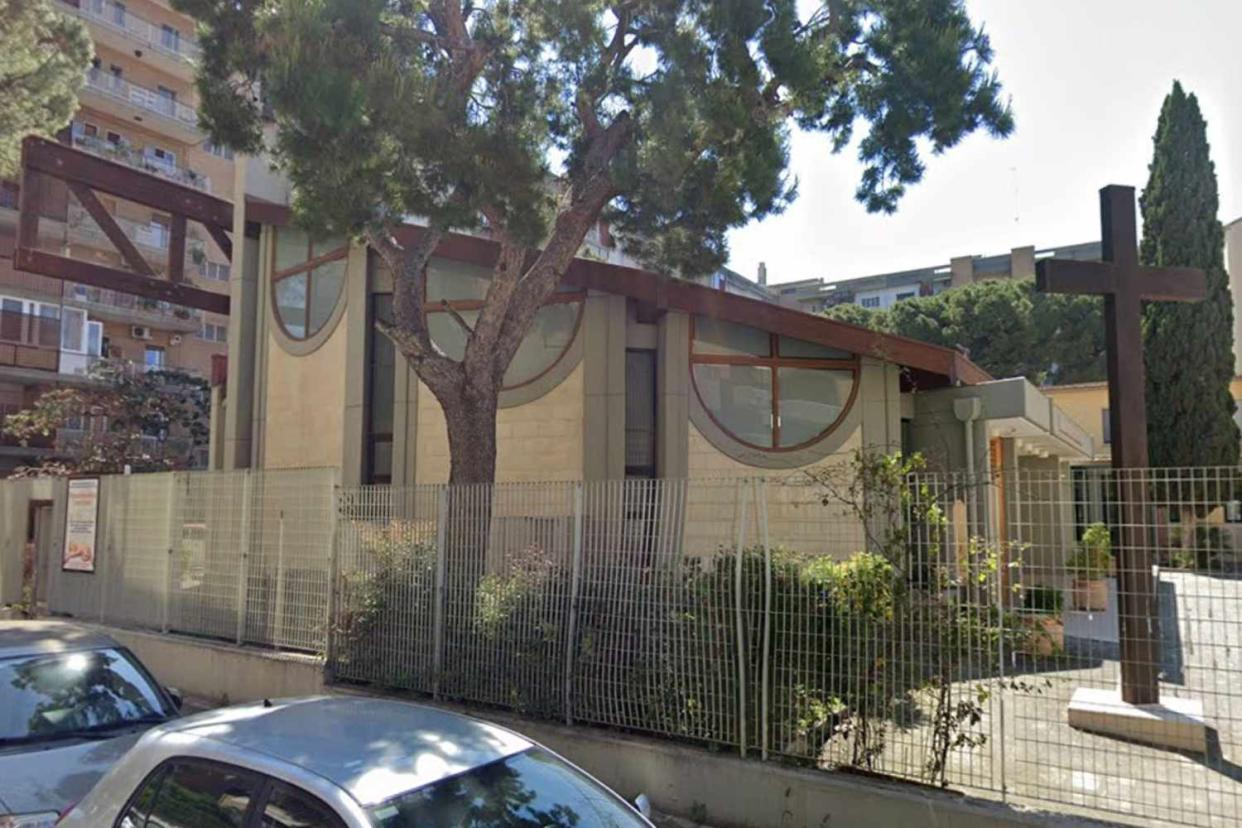
The tragic discovery of Newborn Died Inside Baby Box at San Giovanni Battista Church in Bari, Italy, has brought renewed focus on the ancient and modern practices of baby abandonment.
Despite advancements designed to ensure the safety and anonymity of infants and their mothers, the system failed in this instance, leaving a community in mourning and raising questions about the efficacy of baby box technology.
The Tragic Incident at San Giovanni Battista Church
On a somber day in Bari, Puglia, the body of a male infant, estimated to be about a month old, was found in a baby box outside the San Giovanni Battista Church.
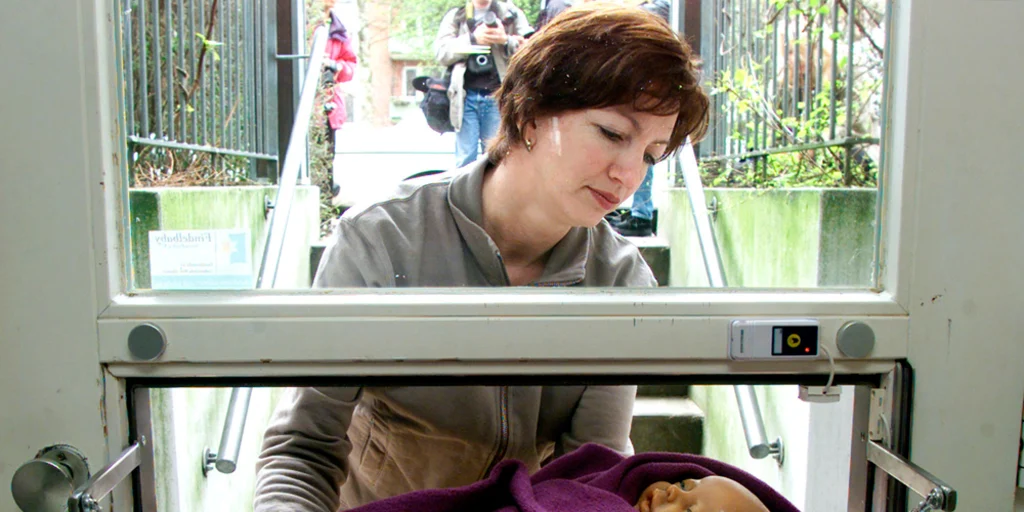
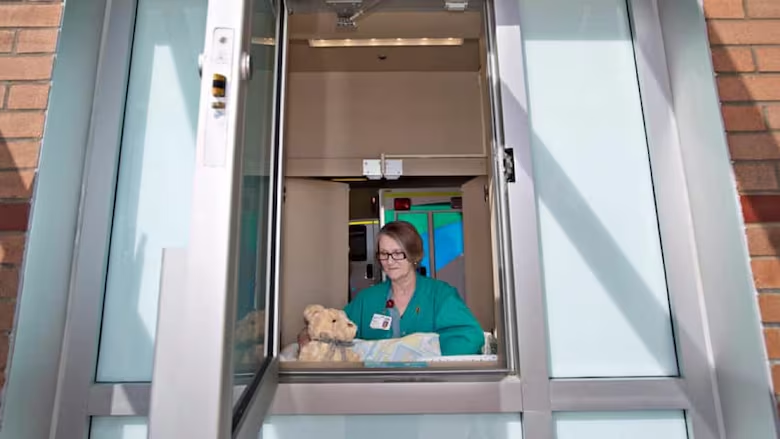
Baby boxes are intended as safe havens for mothers who cannot care for their infants, ensuring the babies’ well-being through heating systems and immediate notifications to caretakers. However, in this case, the system failed to operate as intended.
Father Antonio Ruccia, the parish priest responsible for the baby box, was in Rome at the time. He explained that the system should have sent an alert to his cell phone when the baby was placed in the crib. Unfortunately, no such notification was received.
Read : Americans Unhappy with Trump’s Win Can Buy Homes on Sardinia Island of Italy
The door to the box, left slightly ajar, caught the attention of a passing funeral home director, who investigated and discovered the deceased infant. Authorities are now working to determine whether the baby was already deceased when left in the box or if the system’s failure contributed to the tragedy.
Read : Church of England Faces Threat of Split Over Stance on Gay Couples
An autopsy is underway to ascertain the cause and timing of death. Police are also examining the technical aspects of the baby box system to identify why the alarm did not function and whether the heating mechanism was operational at the time.
Baby Boxes: A Historical and Modern Perspective
The concept of baby boxes has its roots in 13th-century Italy. Known as “ruota” or wheels, these were revolving doors in church walls where mothers could anonymously leave their children, ensuring the infants were taken in by the church or affiliated children’s homes.
This practice offered a solution for mothers in desperate circumstances, balancing anonymity with the assurance that their children would receive care.
By the mid-20th century, these practices were largely replaced by legislation allowing women to give birth anonymously in hospitals. Under this law, a mother could ensure her name was not listed on the child’s birth certificate, providing a modern alternative to the traditional ruota.
In 2006, baby boxes were reintroduced in Italy to address the needs of vulnerable mothers and their infants. Equipped with modern technology, these boxes are designed to ensure the safety of the abandoned child.
Features like heating systems and automatic alarms aim to protect the infant while maintaining the mother’s anonymity. Despite their noble intentions, incidents like the one in Bari underscore the limitations and potential flaws in these systems.
Lessons Learned and the Way Forward
The tragic loss of life in Bari highlights the importance of ensuring that systems designed to protect the most vulnerable function flawlessly.
Baby boxes are a compassionate solution to a deeply personal and societal challenge, but they must be regularly maintained and monitored to fulfill their purpose effectively.
This incident has sparked debates about the reliability of technology in safeguarding infants. It also raises broader questions about the societal and systemic support available for mothers in crisis.
While baby boxes provide an essential service, they represent only one aspect of a comprehensive solution needed to address the root causes of infant abandonment.
Community outreach, mental health support, and robust social safety nets must accompany these systems. Raising awareness about the availability of anonymous childbirth and abandonment options, along with de-stigmatizing the use of these resources, can help prevent such tragedies in the future.
The death of the infant at San Giovanni Battista Church serves as a grim reminder of the challenges that persist despite well-meaning initiatives.
While baby boxes offer a compassionate and practical option for mothers in desperate circumstances, they must be supported by reliable technology and a broader societal commitment to maternal and child welfare. Only by addressing these multifaceted challenges can we ensure that such tragedies are avoided in the future.