

The death of a newborn in New Mexico has prompted renewed warnings from public health officials about the dangers of consuming raw, unpasteurized milk, particularly during pregnancy. State health authorities say the infant died from a listeria infection and that investigators believe the illness may be linked to the mother’s consumption of raw milk while she was pregnant. Although officials have not been able to definitively confirm the exact source of the infection, they say the circumstances surrounding the case highlight long-standing concerns about the safety of raw dairy products and the severe consequences they can have for vulnerable populations.
The New Mexico Department of Health emphasized that pregnant women, newborns, older adults and individuals with weakened immune systems face heightened risks from bacteria that can be present in unpasteurized milk. In this case, the department said available information suggested the mother drank raw milk during pregnancy, creating a potential pathway for listeria bacteria to be transmitted to the fetus. Health officials described the death as tragic and preventable, reinforcing federal and state guidance that recommends consuming only pasteurized dairy products.
The incident has also drawn attention to the broader debate surrounding raw milk in the United States. Despite decades of warnings from public health agencies and a federal ban on interstate sales of raw milk, interest in unpasteurized dairy has grown in recent years. Advocates often cite perceived health benefits, while critics point to repeated outbreaks of serious illness linked to raw milk consumption. The New Mexico case adds to a body of evidence that health officials say demonstrates why pasteurization remains a critical public health measure.
Details of the New Mexico Case and Public Health Response
According to the New Mexico Department of Health, the newborn died after contracting a listeria infection, a rare but serious illness caused by the bacterium Listeria monocytogenes. The baby’s death occurred after birth, and investigators began examining potential sources of exposure during the pregnancy. While officials said they could not conclusively identify the precise origin of the bacteria, they noted that the mother’s reported consumption of unpasteurized milk was a significant factor in their assessment.
In a public statement, health officials explained that listeria can cross the placental barrier, allowing the bacteria to infect a developing fetus even if the pregnant person experiences only mild or flu-like symptoms. In some cases, pregnant individuals may not realize they are infected at all, yet the consequences for the fetus can be severe. Outcomes associated with prenatal listeria infection include miscarriage, stillbirth, premature birth and life-threatening infections in newborns.
Dr. Chad Smelser, the deputy state epidemiologist for New Mexico, underscored the importance of avoiding raw milk during pregnancy. He said pasteurization is a simple and effective process that kills harmful germs without significantly altering the nutritional value of milk. By contrast, consuming raw milk carries an inherent risk because it can harbor bacteria that are invisible and impossible to detect without laboratory testing.
Following the newborn’s death, the health department issued renewed guidance urging residents to avoid raw dairy products. Officials said the warning was not limited to pregnant women, but extended to families with young children, elderly residents and anyone with compromised immune systems. They emphasized that even small amounts of contaminated milk can lead to serious illness, particularly in individuals whose bodies are less able to fight off infection.
Read : Brazil’s Chamber of Deputies Moves to Equate Abortion with Homicide: A Controversial Decision
The department also reiterated that the sale of raw milk across state lines has been illegal since 1987, reflecting long-standing federal concerns about public health risks. While some states allow limited intrastate sales under specific conditions, health authorities maintain that these regulations do not eliminate the danger posed by unpasteurized products. In New Mexico, officials said education and awareness are key tools in preventing future cases.
Listeria, Raw Milk and the Risks to Vulnerable Populations
Listeria monocytogenes is one of several pathogens that can contaminate raw milk. Unlike many other bacteria, listeria can survive and even grow at refrigerator temperatures, making it particularly dangerous in food products that are consumed without cooking. When ingested, the bacteria can cause listeriosis, an illness that ranges from mild gastrointestinal symptoms to severe, invasive disease.
For pregnant women, listeriosis often presents with symptoms such as fever, muscle aches and fatigue. These signs may resemble a common viral illness, leading some cases to go undiagnosed. However, the infection can spread to the fetus, where it can cause devastating outcomes. Newborns infected with listeria may develop sepsis, pneumonia or meningitis, conditions that can be fatal even with prompt medical treatment.
Health officials note that listeria is not the only concern associated with raw milk. Unpasteurized dairy products can also carry pathogens such as salmonella, E. coli, campylobacter, brucella, tuberculosis-causing bacteria and cryptosporidium. Exposure to these organisms can result in severe gastrointestinal illness, bloodstream infections and long-term complications. In individuals with weakened immune systems, including infants and older adults, these infections can be life-threatening.
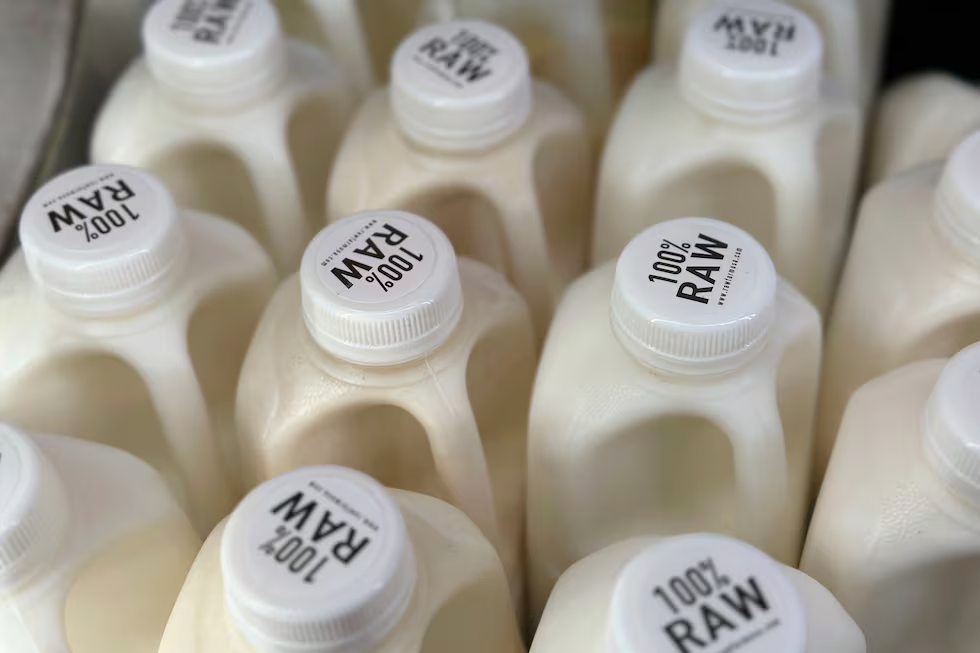
Pasteurization was developed as a public health intervention precisely to address these risks. By heating milk to a specific temperature for a set period of time, the process effectively kills harmful bacteria without making the milk unsafe or nutritionally deficient. Public health agencies have consistently stated that pasteurized milk provides the same essential nutrients as raw milk, including calcium, protein and vitamins, without the added danger of bacterial contamination.
Despite these assurances, raw milk proponents often argue that unpasteurized milk offers health benefits or supports small-scale farming. Health authorities counter that any perceived benefits are outweighed by the documented risks, particularly for vulnerable groups. Outbreak investigations over the years have repeatedly traced cases of listeriosis and other infections back to raw dairy products, reinforcing official warnings.
The New Mexico case serves as a stark example of how these risks can manifest. Even when the source of contamination cannot be conclusively proven, the presence of known risk factors, such as raw milk consumption during pregnancy, provides critical context for public health messaging. Officials stress that prevention depends on informed choices and adherence to established food safety guidelines.
Raw Milk Popularity, Policy Debates and Federal Guidance
The warning issued by New Mexico health officials comes at a time when raw milk has gained increased attention nationwide. In recent years, some consumers have sought out unpasteurized dairy products, influenced by claims about natural foods, traditional farming practices or perceived health advantages. This growing interest has fueled ongoing debates about food regulation and consumer choice.
Read : 19-year-old Nedas Revuckas Accused of Stabbing Pregnant Woman to Death
Federal health agencies, including the Centers for Disease Control and Prevention and the Food and Drug Administration, have long advised against drinking raw milk. The interstate ban implemented in 1987 was intended to reduce the spread of foodborne illness across state lines and to protect consumers from products that carry a higher risk of contamination. While some states permit limited sales within their borders, federal officials continue to caution that these allowances do not make raw milk safe.
The issue has also intersected with broader political discussions about nutrition and agriculture. Before joining the second Trump administration, Health Secretary Robert F. Kennedy Jr. publicly expressed support for raw milk. Since assuming the role, however, he has largely avoided the topic, even as advocates have pushed for changes to federal policy. The administration’s recent campaign promoting whole milk consumption does not include raw milk, though some supporters of unpasteurized dairy have interpreted related policy discussions as encouraging.
In September, the administration’s “Make America Healthy Again” report introduced updated health guidelines and included proposals aimed at reducing barriers for small dairy farmers selling their own milk. While the report did not explicitly endorse raw milk, some industry groups viewed it as a positive development. Public health officials, however, continue to draw a distinction between supporting agricultural producers and ensuring food safety for consumers.
The death of the New Mexico newborn has re-centered attention on the practical implications of these debates. Health departments emphasize that policy discussions must be grounded in evidence and real-world outcomes. They argue that decades of data linking raw milk to outbreaks of serious illness should remain a central consideration in any regulatory changes.
As investigations into foodborne illnesses continue, officials say their priority is preventing further tragedies. Education campaigns, clear labeling and consistent public health messaging are viewed as essential tools. The New Mexico Department of Health has urged residents to consult healthcare providers with questions about food safety during pregnancy and to follow established recommendations to consume only pasteurized dairy products.
The case underscores the ongoing tension between individual choice and public health protection. While interest in raw milk may continue, health authorities maintain that the risks, particularly to unborn children and newborns, are well documented. The warning issued in New Mexico reflects a broader consensus among medical and public health experts that pasteurization remains one of the most effective safeguards against preventable, and sometimes fatal, infections.
I dugg some of you post as I thought they were invaluable extremely helpful