
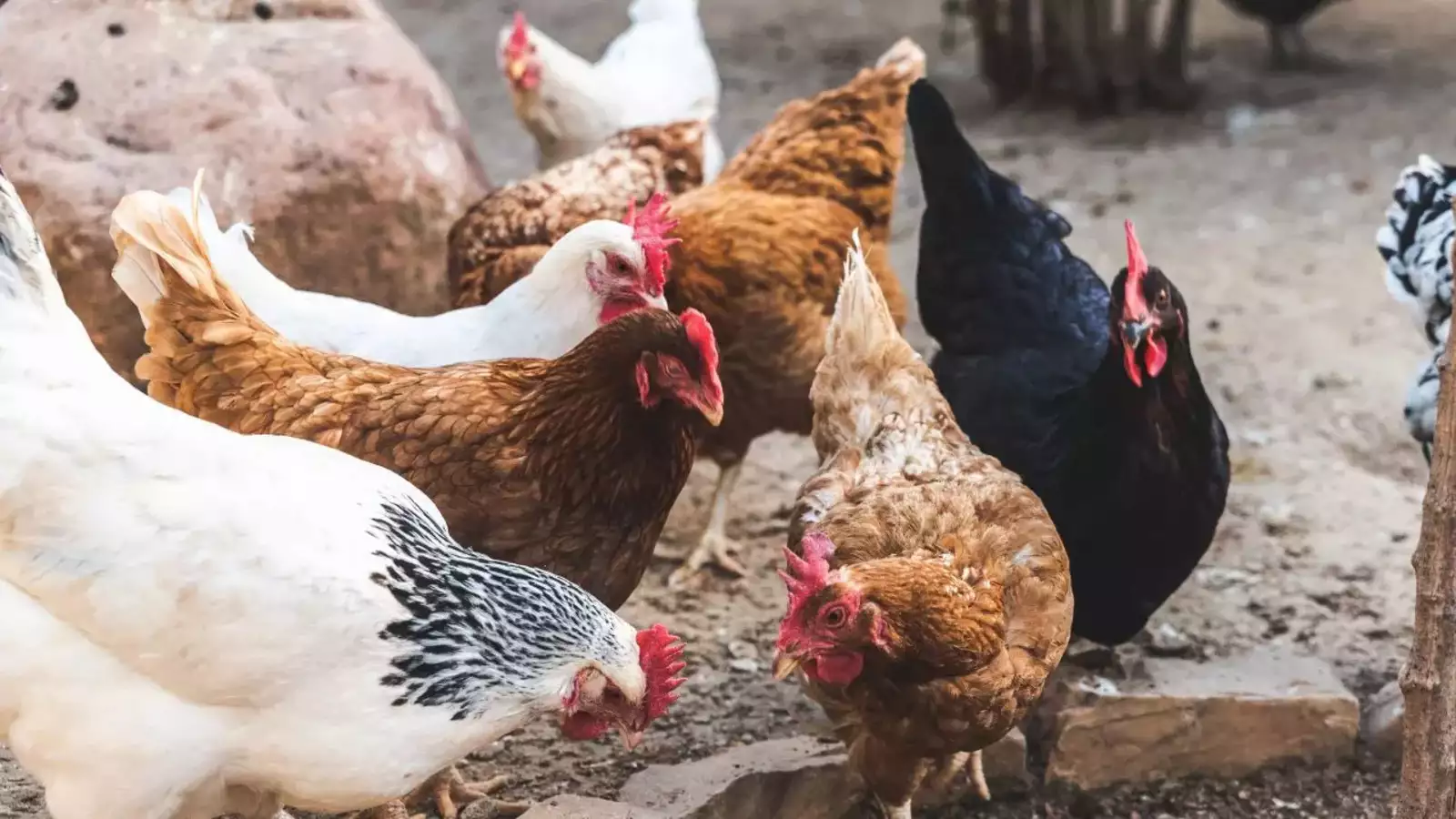
The potential for a Next pandemic originating from the United States has raised alarm among infectious disease experts. The H5N1 avian flu, a viral infection affecting birds and other animals, has been mutating and spreading at an alarming rate across the US.
While there is no confirmed human-to-human transmission at present, experts caution that the virus’s evolving nature and widespread presence in both wild and domestic animals could lead to human infections through new mutations. The situation has reignited discussions about pandemic preparedness and the importance of global surveillance.
The Threat of H5N1 Avian Flu: A Closer Look
H5N1 avian flu, often referred to as “bird flu,” is a highly pathogenic virus that primarily infects birds but has the potential to jump to mammals, including humans.
Since its emergence in 1996, the virus has wreaked havoc on poultry populations worldwide, causing millions of deaths. In recent years, the number of outbreaks has surged, with wild birds, domestic animals, and even marine mammals becoming infected. This alarming trend has heightened concerns about its ability to infect humans.
In the United States, the H5N1 strain has spread rapidly among wild and domestic bird populations, with dairy herds also reporting infections.
Read : Bird Flu Can Be the Next Global Pandemic: Experts Warn
According to the World Health Organization (WHO), there have been 58 reported human cases in the US, albeit mild ones. However, the potential for mutations or recombinations among variants could pave the way for a more transmissible or severe strain, posing a significant risk to global health.
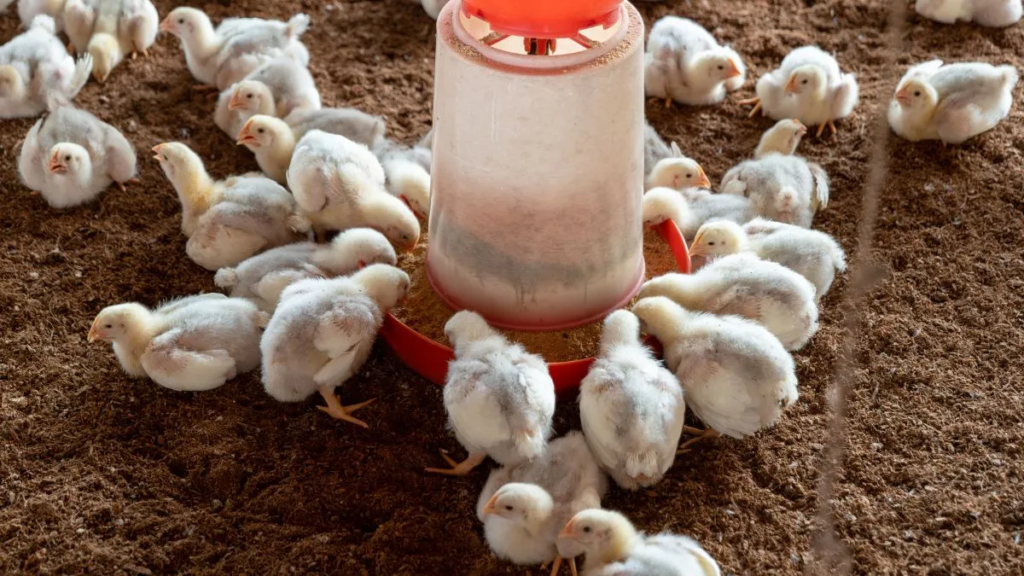
Humans are typically infected through direct contact with an infected animal’s body fluids, including respiratory droplets, milk, or feces. Workers in poultry farms and dairy industries face the highest risk, as do those who handle infected animals or live in close proximity to them.
Read : Finland Becomes the First Nation to Offer Bird Flu Vaccines to Humans
Symptoms of avian influenza in humans range from mild conditions like fever and fatigue to severe illnesses, including pneumonia and respiratory failure.
Preparedness and Surveillance: Lessons Learned from COVID-19
Experts in Spain have emphasized that while the likelihood of the next pandemic originating in the US is high, there is reassurance in the robust surveillance systems in place.
Fran Franco, a microbiologist and member of the Spanish Society of Infectious Diseases and Clinical Microbiology (SEIMC), highlighted that any developments in the US would be quickly detected and shared globally.
The aftermath of the COVID-19 pandemic has strengthened international disease monitoring systems, ensuring a more coordinated response to emerging threats.
Tedros Adhanom Ghebreyesus, WHO Director-General, has also voiced concerns about the spread of H5N1 in the US, urging countries to enhance their surveillance efforts.
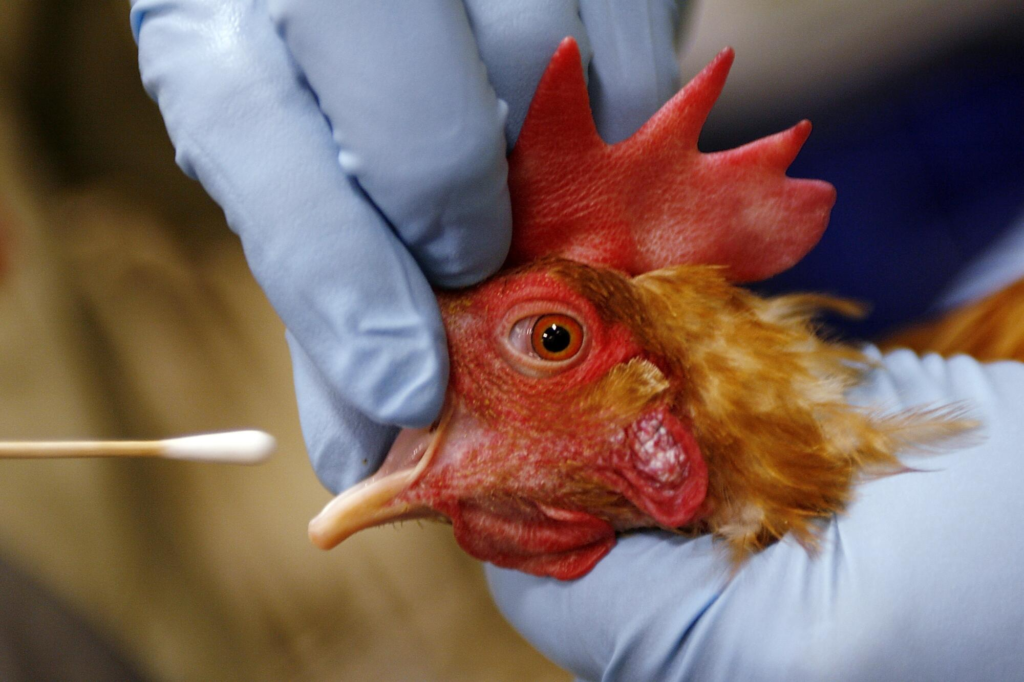
The virus’s exponential growth since 2020 has underscored the importance of early detection and containment strategies. Unlike the initial stages of the COVID-19 outbreak, global health systems are now better equipped to identify and respond to potential pandemics.
However, challenges remain. The ease with which H5N1 spreads among wild species complicates containment efforts. Wild birds serve as reservoirs for the virus, enabling it to traverse vast distances and infect new populations.
This dynamic heightens the risk of the virus entering areas with limited veterinary and healthcare infrastructure, potentially leading to undetected outbreaks and greater opportunities for the virus to evolve.
Steps to Prevent a Next Pandemic
The risk of a pandemic stemming from H5N1 avian flu demands proactive measures at both national and international levels. Key strategies include:
- Enhanced Surveillance Systems: Governments must invest in robust disease monitoring programs to track outbreaks in animal populations and identify zoonotic spillover events. Rapid reporting and data sharing are critical to containing the virus’s spread.
- Public Awareness Campaigns: Educating the public, particularly those in high-risk occupations such as poultry farming and veterinary services, about the risks of avian flu and preventive measures is essential. Proper hygiene practices and protective equipment can significantly reduce transmission risks.
- Vaccination Development: Research into vaccines for H5N1 avian flu must be accelerated. Developing effective vaccines for both humans and animals could play a pivotal role in curbing the virus’s spread.
- Strengthened Veterinary Health Services: Countries should bolster their veterinary health infrastructure to ensure timely detection and management of outbreaks in animal populations. This includes regular screening of livestock and wildlife for the virus.
- Global Cooperation: The interconnected nature of today’s world necessitates international collaboration in tackling zoonotic diseases. Sharing resources, expertise, and technology will be vital in preventing the global spread of H5N1.
The potential emergence of a new pandemic from the US, fueled by the rise of H5N1 avian flu, serves as a stark reminder of the interconnectedness of human and animal health.
While the current risk of human-to-human transmission remains low, the virus’s ability to mutate and spread underscores the need for vigilance and preparedness.
By learning from past experiences and investing in proactive measures, the global community can mitigate the threat of future pandemics and safeguard public health.