
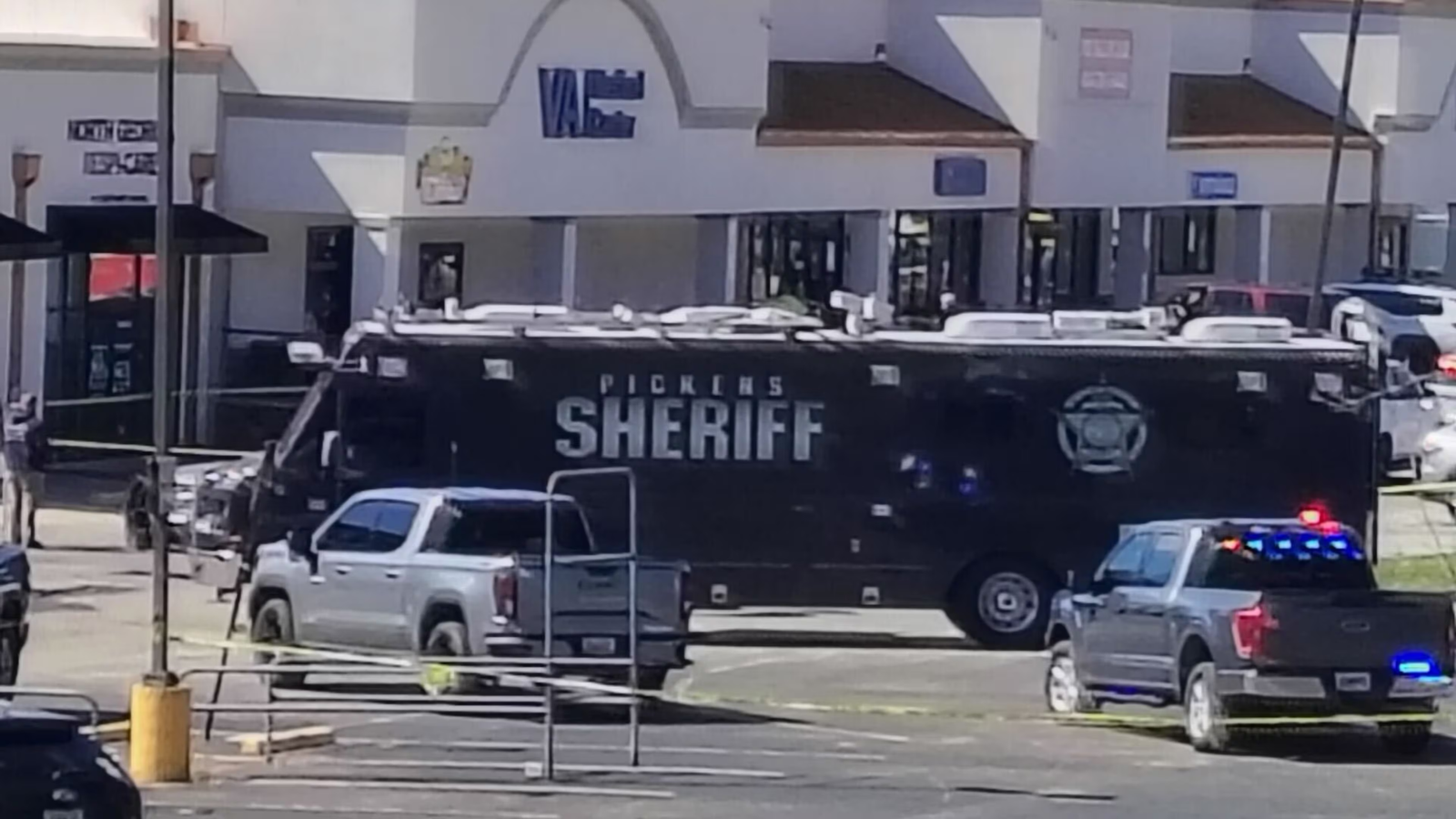
The fatal shooting at a Department of Veterans Affairs outpatient clinic in Jasper, Georgia, has drawn national attention to the vulnerabilities that exist even within spaces dedicated to care and recovery. What began as a routine weekday at the Pickens County VA Clinic quickly turned into a tragic and deeply unsettling incident, leaving one employee dead and raising urgent questions about safety, mental health services, and institutional preparedness.
Nicholas Crews, a 34-year-old social work case manager, lost his life after being shot by a man who had reportedly come to the clinic seeking mental health assistance. The incident has not only shaken the local community but also resonated across broader conversations about workplace security and the complexities of mental health crises.
A Tragic Incident Inside a Place of Care
The events unfolded on Tuesday afternoon when law enforcement officers were called to the VA clinic on East Church Street following reports of a shooting. According to authorities, the gunman, identified as 51-year-old Lawrence Charles Michels, had entered the facility for a walk-in mental health consultation. At some point during his visit, Michels allegedly shot Nicholas Crews, who was working in his capacity as a social work case manager at the clinic.
The nature of the setting adds a particularly distressing dimension to the incident. VA clinics are intended to be safe spaces where veterans receive not only physical healthcare but also mental health support, counseling, and social services. Employees like Crews play a critical role in assisting individuals dealing with trauma, stress, and other psychological challenges. That such an act of violence occurred in this environment has left both staff and the wider public grappling with a sense of shock and disbelief.
After the shooting, first responders quickly arrived at the scene. Officers encountered Michels outside the clinic, where a confrontation took place. Law enforcement officials reported that Michels was shot during the encounter and later died from his injuries. No officers were harmed in the exchange. Meanwhile, emergency medical teams worked to stabilize Crews, who was critically injured. He was airlifted to a trauma hospital for urgent care but succumbed to his injuries the following day.
Read : Saudi Arabia Removes Palestine from School Textbook Maps
The swift escalation of events—from a walk-in consultation to a fatal shooting—has underscored the unpredictable nature of such incidents. While investigations are ongoing, initial reports indicate that Michels was seeking mental health assistance at the time, raising complex questions about the intersection of mental health crises and public safety.
Investigation and Institutional Response
In the aftermath of the shooting, multiple agencies have launched investigations to determine the full sequence of events and identify any contributing factors. The Georgia Bureau of Investigation has taken a leading role, working alongside the Federal Bureau of Investigation and the Department of Veterans Affairs Office of Inspector General. The involvement of multiple agencies reflects the seriousness of the incident and the need for a thorough and transparent review.
Authorities have confirmed that the bodies of both Nicholas Crews and Lawrence Charles Michels will undergo autopsies at the GBI Crime Lab. These examinations are expected to provide additional insights into the circumstances surrounding their deaths, including the precise causes and any relevant forensic details.
Read : Florida Couple Sues IVF Clinic After Baby Has No Genetic Relationship to Either Parent
The clinic itself has been temporarily closed as investigators continue their work. This closure not only allows for the preservation of the scene but also provides time for staff and patients to process the traumatic event. Officials from the VA have stated that efforts are underway to reschedule appointments and ensure continuity of care for veterans who rely on the facility’s services. This includes providing access to counseling and chaplain services for both patients and staff affected by the incident.
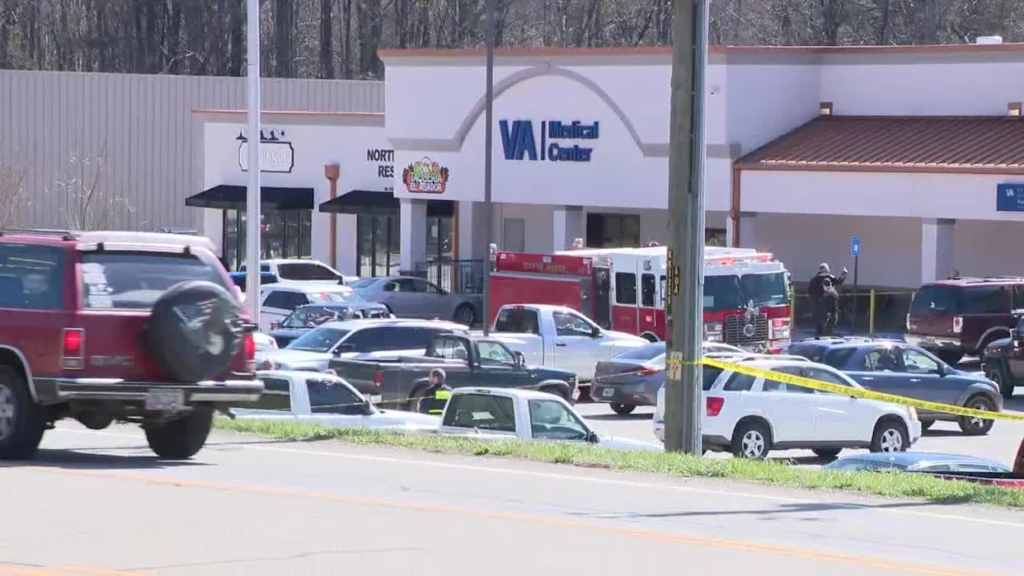
The response from the VA highlights the dual challenge faced by institutions in such situations: maintaining operational continuity while addressing the emotional and psychological impact on their community. Employees who work in healthcare settings are often trained to manage high-stress situations, but incidents of this magnitude can have lasting effects on morale, mental health, and perceptions of safety.
Beyond the immediate response, the investigation is also expected to examine whether there were any warning signs or missed opportunities to prevent the tragedy. This may include reviewing security protocols, staff training procedures, and the handling of walk-in mental health consultations. Such reviews are a standard part of post-incident analysis and can lead to policy changes aimed at reducing the risk of similar घटनाएँ in the future.
Remembering Nicholas Crews and Broader Implications
At the center of this tragedy is the loss of Nicholas “Nic” Crews, a professional dedicated to helping others navigate difficult circumstances. As a social work case manager, Crews would have been responsible for supporting veterans dealing with a range of challenges, from mental health issues to social and economic hardships. His role required empathy, resilience, and a commitment to service—qualities that make his death all the more poignant.
Colleagues and community members have begun to reflect on the impact of his work and the void left by his passing. Individuals in such positions often form meaningful connections with those they serve, making their loss deeply felt not only within their workplace but also among the broader community they support. While official tributes may continue to emerge, the recognition of his contributions underscores the human cost of the incident.
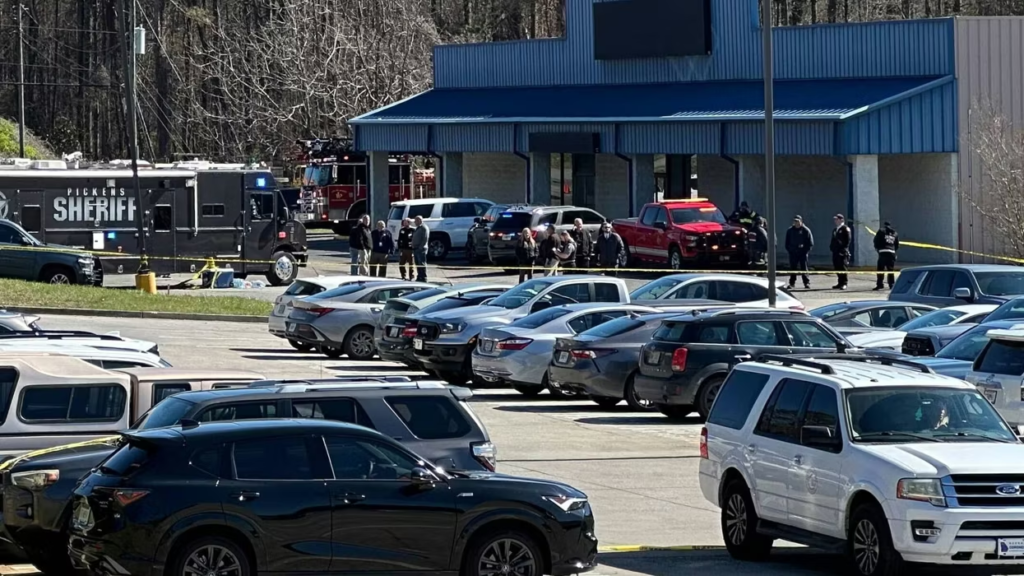
The broader implications of the shooting extend beyond this single event. It has reignited discussions about security measures in healthcare settings, particularly those that serve individuals experiencing mental health crises. Balancing accessibility with safety is a persistent challenge. On one hand, clinics must remain welcoming and non-intimidating environments where individuals feel comfortable seeking help. On the other hand, the safety of staff and patients must be ensured through effective security protocols.
This incident also highlights the complexities of mental health care systems. Walk-in consultations are an important resource for individuals in urgent need of support, but they can also present challenges in assessing risk and ensuring appropriate interventions. The situation underscores the importance of comprehensive mental health strategies that include early intervention, crisis management, and coordinated care.
For the community in Jasper and beyond, the tragedy serves as a reminder of the unpredictable nature of violence and the importance of preparedness. It also emphasizes the need for continued investment in mental health services, staff training, and security infrastructure. As investigations continue, the findings may inform future policies and practices aimed at preventing similar घटनाएँ.
In the days following the shooting, the focus remains on supporting those affected, honoring the memory of Nicholas Crews, and seeking answers that can help prevent future tragedies. The incident has left an indelible mark on the community and the institution involved, prompting reflection on how to better protect those who dedicate their lives to helping others.